Medieval Castles in Europe
Medieval castles were built to be defended. Between roughly the 10th and 15th centuries, kings, bishops and local lords raised stone keeps, curtain walls and gatehouses across Europe to control rivers, roads and borders. This page brings together the medieval castles we cover, from Welsh fortresses to strongholds above the Rhine and Moselle, with tickets, opening hours and practical tips for each.


Eilean Donan Castle

Castel del Monte

Hohenzollern Castle
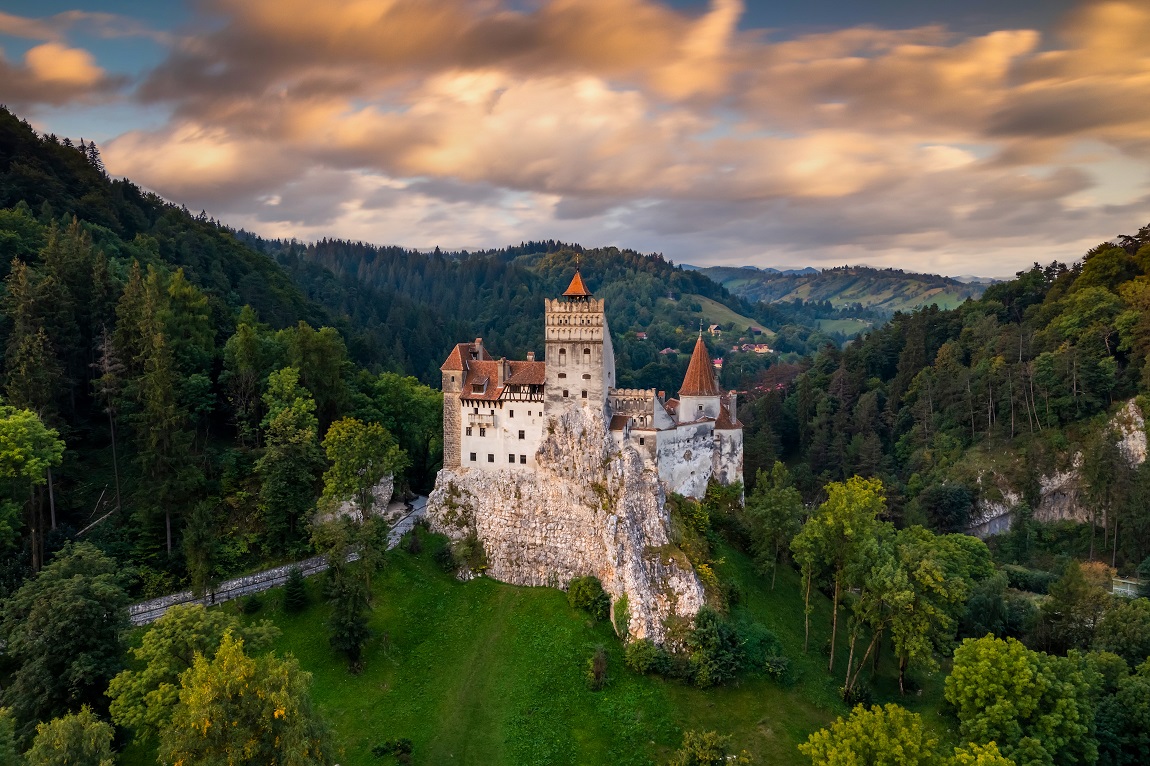
Bran Castle
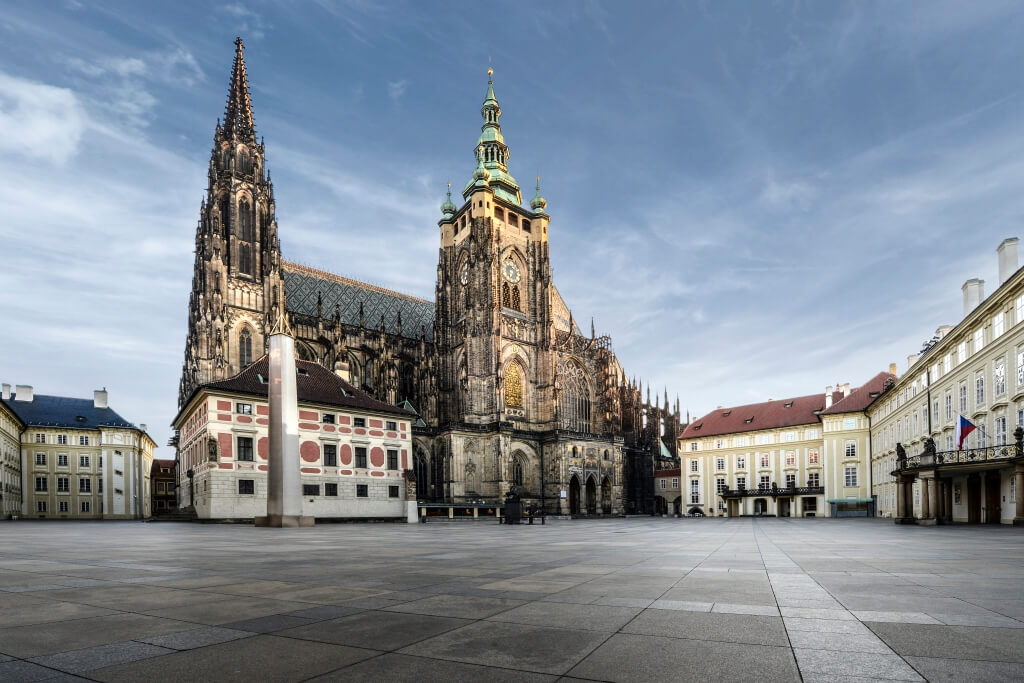
Prague Castle

Alhambra

Windsor Castle
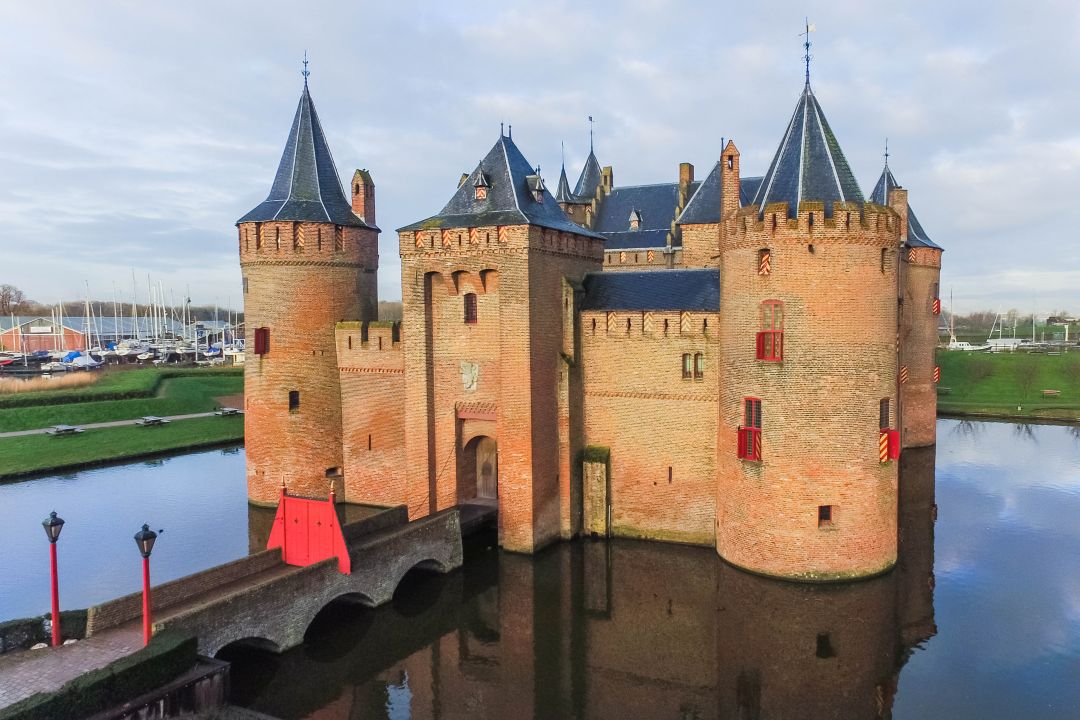
Muiderslot Castle

Malbork Castle

Castell de Santa Florentina

Castell de Sant Marçal

Castell de Cardona
What makes a castle medieval?
The first castles were simple earth mounds with timber towers. From the 11th century they were rebuilt in stone, with a strong central keep such as the White Tower at the Tower of London, begun under William the Conqueror. Later castles moved the defence outwards, with two rings of walls, round towers and heavily guarded gatehouses. The castles Edward I built in north Wales in the 1280s, including Caernarfon Castle and Conwy Castle, are textbook examples.
Most medieval castles share the same elements: a keep or main tower, curtain walls with towers, a gatehouse with a portcullis, a moat or steep rock as natural defence, and inside a great hall and a chapel. How much of that survives varies a lot. Some castles are roofless ruins, others were restored or rebuilt in the 19th century, and a few have stood almost unchanged for centuries.
The scale can be enormous. Malbork Castle in Poland, built by the Teutonic Order, is often described as the largest castle in the world by area, and Spiš Castle in Slovakia is one of the largest castle complexes in Central Europe. In Carcassonne, Château Comtal sits inside a complete ring of medieval town walls.
Where to find the best medieval castles
Britain and Ireland have the densest group. In Wales, Caerphilly Castle, Caernarfon Castle and Conwy Castle are all within reach of each other. Scotland adds dramatic settings such as Urquhart Castle on Loch Ness, Dunnottar Castle on its sea cliff and Stirling Castle, while Ireland has Trim Castle, Kilkenny Castle and Blarney Castle.
In Germany, the Rhine and Moselle valleys are lined with castles. Eltz Castle has been owned by the same family since the 12th century, Cochem Castle overlooks the Moselle and Wartburg Castle is where Martin Luther translated the New Testament. Further east, Prague Castle, Spiš Castle, Bran Castle and Corvin Castle show how far castle building spread. In the south, look at the Alcázar of Segovia, Castillo de Coca, Guimarães Castle and the octagonal Castel del Monte.
Tips for visiting medieval castles
Many medieval castles involve a climb, uneven stone steps or a walk from the car park, so wear good shoes. Check on each castle page whether there are interiors to see or only walls and towers, and whether a guided tour is needed. Some castles, Eltz Castle among them, close for the winter season, while most others stay open with shorter hours.
Several castles combine well in one day: Eltz Castle and Cochem Castle on the Moselle, Conwy Castle and Caernarfon Castle in north Wales, or the castles around Dublin such as Malahide Castle, Howth Castle and Clontarf Castle.
Medieval castles by country
 France
- Château Comtal
- Château de Beynac
- Château de Châteauneuf
- Château de Commarque
- Château de Falaise
- Château de Foix
- Chateau de Savigny-les-Beaune
- Château de Vincennes
- Château des Baux-de-Provence
- Château du Haut-Koenigsbourg
- Mont Saint-Michel
 Ireland
- Ashford Castle
- Blarney Castle
- Clontarf Castle
- Drimnagh Castle
- Howth Castle
- Leap Castle
- Malahide Castle
- Nottingham Castle
- Trim Castle
 Spain
Spain
- Alcázar of Segovia
- Alhambra
- Castell de Cardona
- Castell de Sant Marçal
- Castell de Santa Florentina
- Castillo de Almodóvar
- Castillo de Coca
- Castillo de Peñíscola
 Scotland
- Castle Stalker
- Dalhousie Castle
- Dunnottar Castle
- Eilean Donan Castle
- Glamis Castle
- Rothesay Castle
- Stirling Castle
- Urquhart Castle
 England
 Germany
- Burg Rheinfels
- Cochem Castle
- Eltz Castle
- Heidelberg Castle
- Hohenzollern Castle
- Mespelbrunn Castle
- Wartburg Castle
 Italy
Italy
- Castel del Monte
- Castel Sant’Angelo
- Castello di Masino
- Castello di Petroia
- Estense Castle
- Scaligero Castle
 The Netherlands
 Belgium
 Slovakia
 Luxembourg
 Wales
Wales Switzerland
 Portugal
 Finland
 Czech Republic
 Croatia
 Romania
 Austria
 Sweden
 Hungary
 San Marino
 Poland
 Lithuania
Other countries
Frequently asked questions
What is a medieval castle?
A medieval castle is a fortified residence built roughly between the 10th and 15th centuries by a king or lord to defend and control the surrounding land. Typical features are a keep, curtain walls with towers and a gatehouse.
What is the largest medieval castle in Europe?
Malbork Castle in Poland, built by the Teutonic Order from the 13th century, is usually named the largest castle in the world by area. Spiš Castle in Slovakia is another of the largest castle complexes in Europe.
Which medieval castles are best preserved?
Eltz Castle in Germany was never destroyed and is still owned by the same family, and Chillon Castle on Lake Geneva has kept much of its medieval interior. In Wales, Conwy Castle survives with most of its town walls.
Can you visit medieval castles in winter?
Most are open all year with shorter winter hours, but some close between autumn and spring. Always check the opening hours on the castle page before you travel.
What is the difference between a castle and a fortress?
A castle was the fortified home of a lord or king, while a fortress was a purely military stronghold for a garrison. See our fortresses for examples.
Other castle styles
Last updated: 11 October 2026