
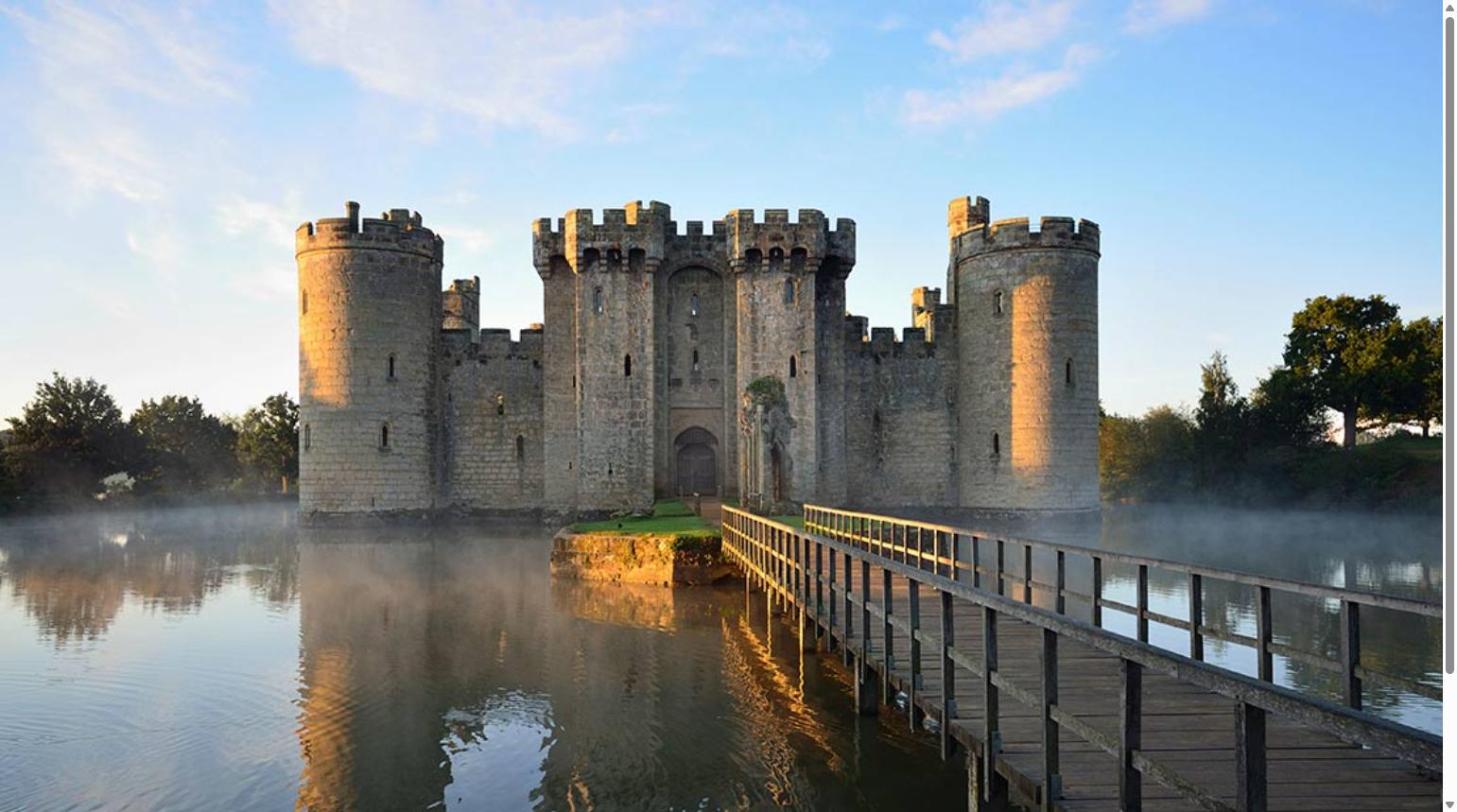
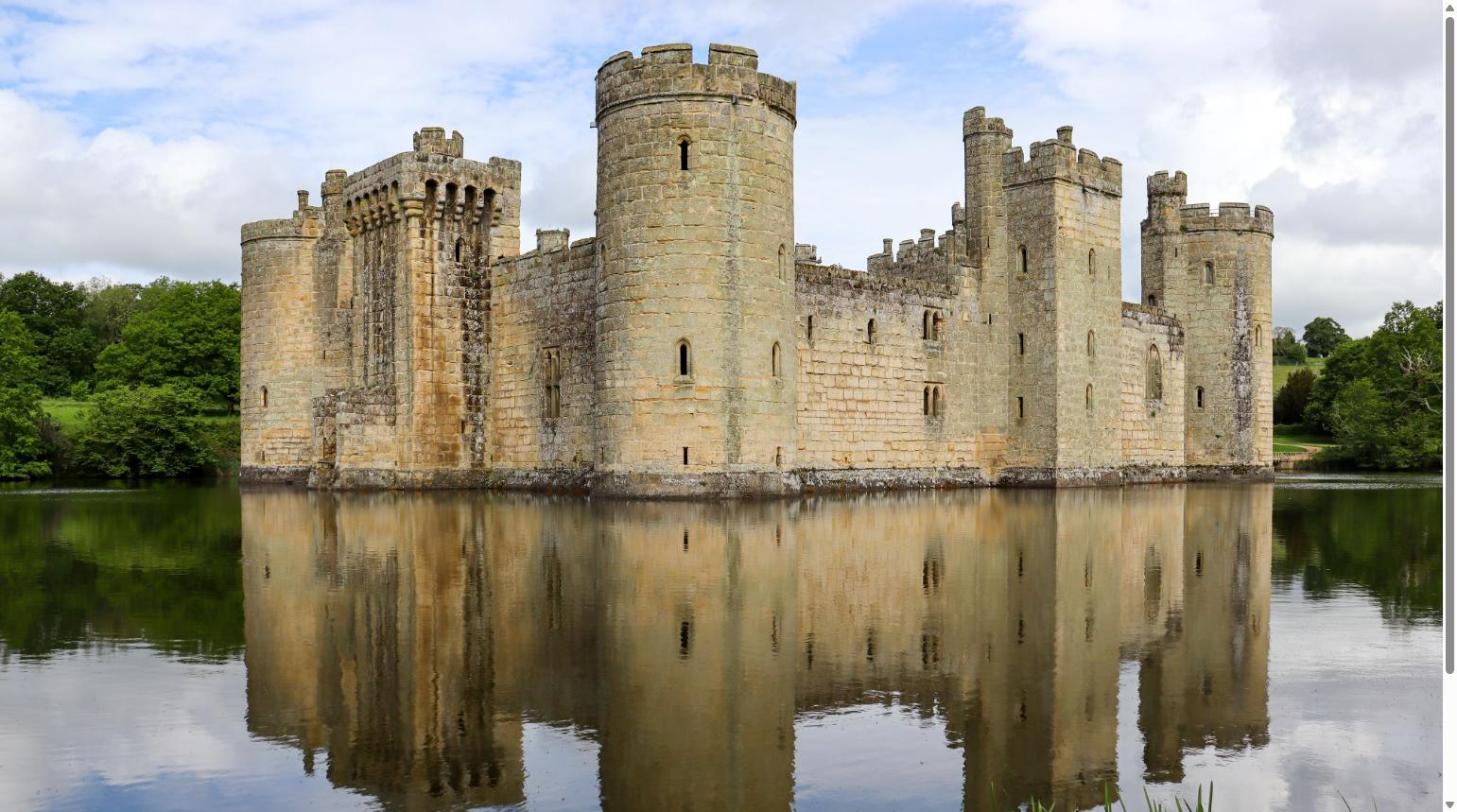
Bodiam Castle is one of England’s most iconic medieval fortresses. It stands surrounded by a large, water-filled moat in the heart of East Sussex. Furthermore, the castle’s near-perfect exterior makes it one of the most photographed castles in the United Kingdom. The National Trust now manages Bodiam Castle and opens it to visitors throughout the year.
Plan your visit to Bodiam Castle
Sir Edward Dalyngrigge built Bodiam Castle in 1385. He was a former knight in the service of King Edward III. The castle served as both a defensive stronghold and a symbol of status. However, despite its impressive appearance, historians debate whether Bodiam was ever a serious military fortress.
Location of Bodiam Castle
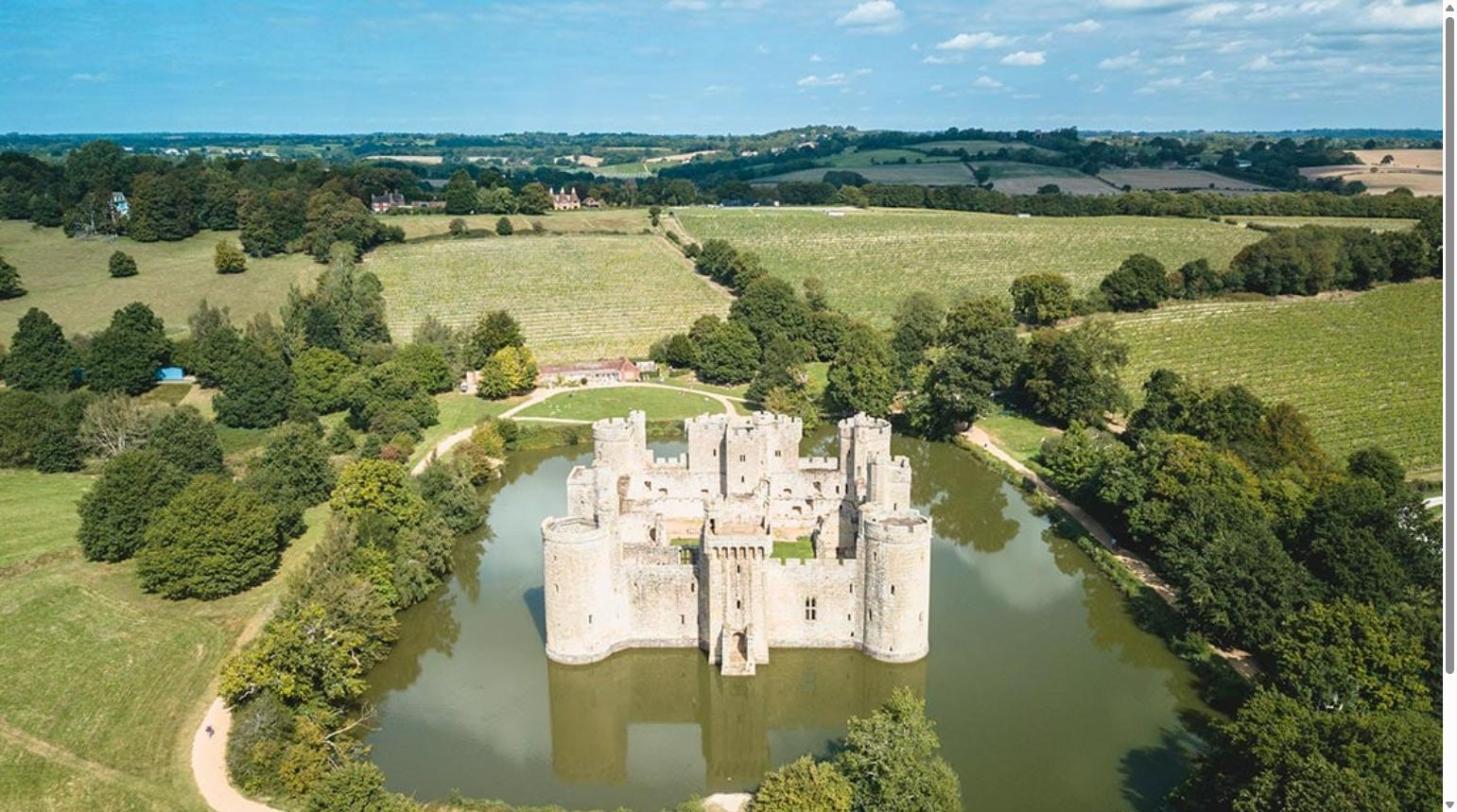
Bodiam Castle sits in the village of Bodiam, near Robertsbridge in East Sussex. The address is Bodiam, Robertsbridge, East Sussex, TN32 5UA. Therefore, the castle is easy to reach by car or public transport from London. In addition, the nearby River Rother adds to the scenic countryside setting that surrounds the castle.
Visitors can park on site and walk across the wooden bridge to the gatehouse entrance. Moreover, the open grounds offer stunning views from every angle. The area also provides picnic spots and riverside walks for families and nature lovers.
History of Bodiam Castle
Sir Edward Dalyngrigge began construction of Bodiam Castle in 1385. He received a royal licence from King Richard II to fortify his manor house. Furthermore, the Hundred Years’ War with France made coastal defence a national priority at the time. Dalyngrigge designed the castle on a quadrangular plan with round towers at each corner.
The castle changed hands several times over the centuries. During the Wars of the Roses, it fell to the Lancastrian cause. However, Royalist forces dismantled much of the interior during the English Civil War in the 17th century. As a result, only the outer walls and towers survived relatively intact.
In the 19th century, John ‘Mad Jack’ Fuller purchased the castle to save it from demolition. He cleared the moat and began basic restoration work. Moreover, Lord Curzon later took ownership and carried out more extensive restoration in the early 20th century. He eventually donated Bodiam Castle to the National Trust in 1926.
Current Status
The National Trust manages Bodiam Castle today. It is open to visitors for most of the year, with seasonal opening hours. Therefore, it is wise to check the National Trust website before visiting. Admission fees apply, and National Trust members enter for free.
Visitors can explore the exterior walls, towers, and gatehouse. In addition, the castle hosts family-friendly activities, including dressing up in medieval armour and interactive trails for children. However, the interior remains largely ruined, giving the castle an atmospheric and romantic charm.
Bodiam Castle attracts over 200,000 visitors annually. It also serves as a popular filming location. Moreover, the surrounding grounds and moat make it a favourite spot for photographers throughout the seasons.
Castles near Bodiam Castle
Frequently asked questions
Can I visit Bodiam Castle without booking in advance?
Yes, you do not need to book in advance. Tickets are available at the on-site reception, though weekends and school holidays can be busy.
Is Bodiam Castle fully accessible inside?
The castle courtyard and grounds are largely accessible, but the towers require climbing narrow spiral staircases and are not wheelchair-accessible. The café, shop, and accessible toilets are at ground level.
Are there guided tours at Bodiam Castle?
Yes, free volunteer-led tours run on selected days (usually Mondays, Tuesdays, Wednesdays, March to October at 11:15 and 13:15). They last 20 to 40 minutes and cover the castle's history.
What is there to see inside Bodiam Castle?
The interior is ruined, but you can explore the courtyard, climb spiral staircases in the corner towers to the battlements, and see the portcullis and arrow slits. The real charm is the moated exterior and the medieval atmosphere.
Is there food available at Bodiam Castle?
The Wharf Tea Room is open year-round serving drinks, light lunches, and cakes. The Castle View Café opens seasonally (mainly school holidays) for grab-and-go refreshments and ice cream.
Featured listings