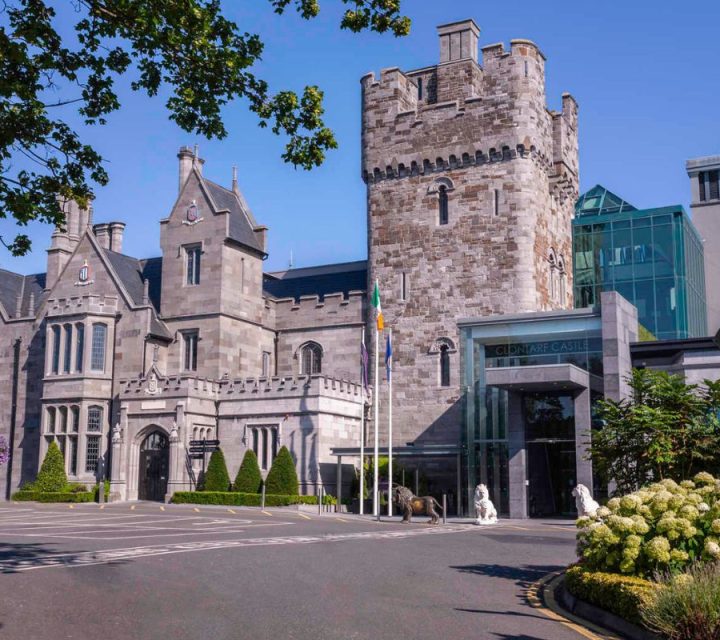
Clontarf Castle is a historic landmark just outside Dublin, Ireland. Its origins trace back to the 12th century. Built as a defensive fortress, it has seen centuries of conflict and change. Today, it combines medieval charm with modern luxury. The castle attracts visitors eager to explore Ireland’s rich history. Its striking Gothic Revival architecture makes it one of Dublin’s most distinctive heritage sites.
Plan your visit to Clontarf Castle
The castle also connects to the famous Battle of Clontarf in 1014. Although rebuilt many times, it stands on that historic ground. Visitors enjoy not only its dramatic history but also its warm hospitality. Clontarf Castle remains a cherished part of Ireland’s cultural legacy.
Location of Clontarf Castle
Clontarf Castle sits in the coastal suburb of Clontarf, northeast of Dublin city center. This location combines urban convenience with seaside tranquility. Clontarf itself is known for its long promenade and scenic bay views. The neighborhood is quiet, with leafy streets and a welcoming atmosphere. The castle is surrounded by landscaped gardens and mature trees. Nearby, you’ll find St. Anne’s Park, one of Dublin’s largest public parks. Visitors can walk along Clontarf Road and admire views of Howth Head and Bull Island. Bull Island is a UNESCO biosphere reserve, popular with nature lovers.
Its proximity to Dublin makes visiting easy. Dublin Port and Connolly Station are nearby, offering good transport links. Many cafes, pubs, and shops in Clontarf give visitors a taste of Irish life. You can enjoy both the city and the coast when staying here.
History of Clontarf Castle
The castle stands on the site of the 1014 Battle of Clontarf. That battle saw Brian Boru defeat Viking forces and secure Irish rule. A permanent fortification appeared here in the 12th century. Hugh de Lacy granted the land to the Knights Templar, who built the first castle.
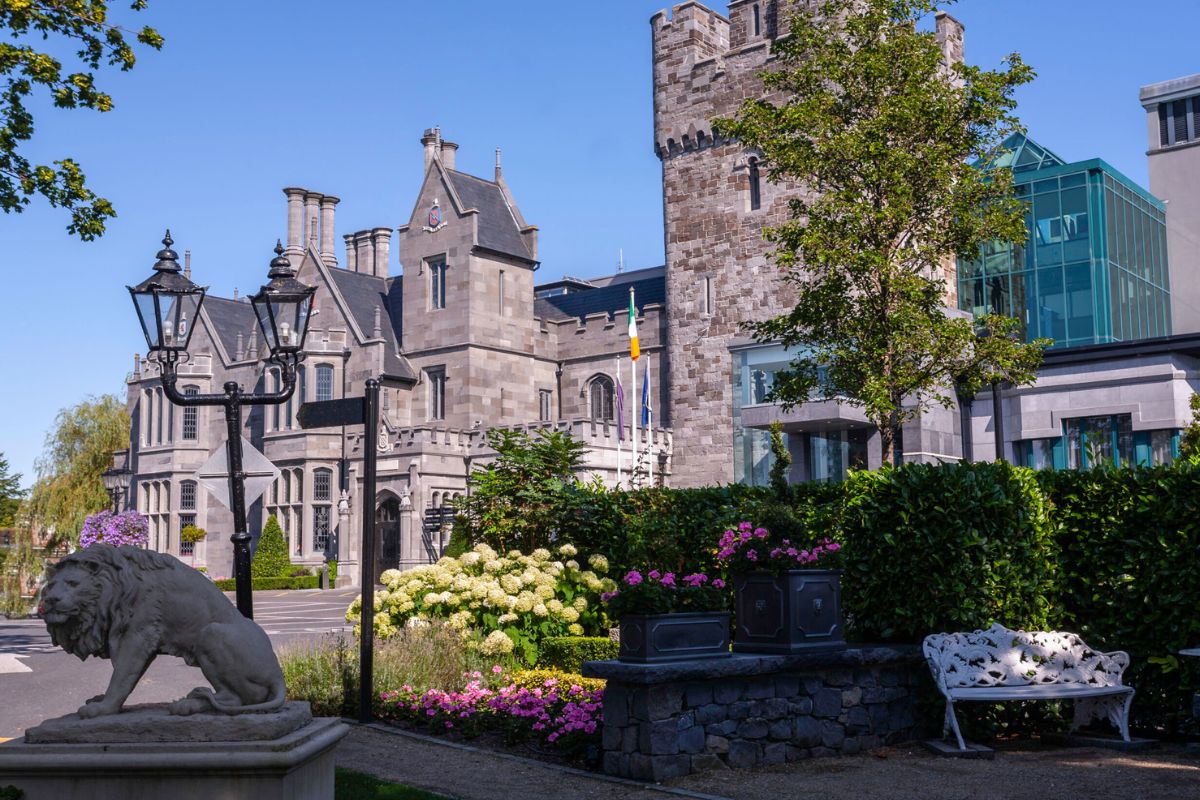
After the Templars’ dissolution, the property changed hands several times. In 1640, the Vernon family acquired Clontarf Castle. They kept it in the family for almost 300 years. Over time, the Vernons rebuilt and extended the castle into a grand residence. In the 18th century, they added Georgian windows and elegant interiors. By the early 19th century, the castle had fallen into disrepair. In 1837, architect William Vitruvius Morrison designed a new Gothic Revival structure. That design gave the castle its current romantic appearance. The battlements and turrets you see today date from this period. The Vernons eventually sold the property in the 20th century.
Current Status
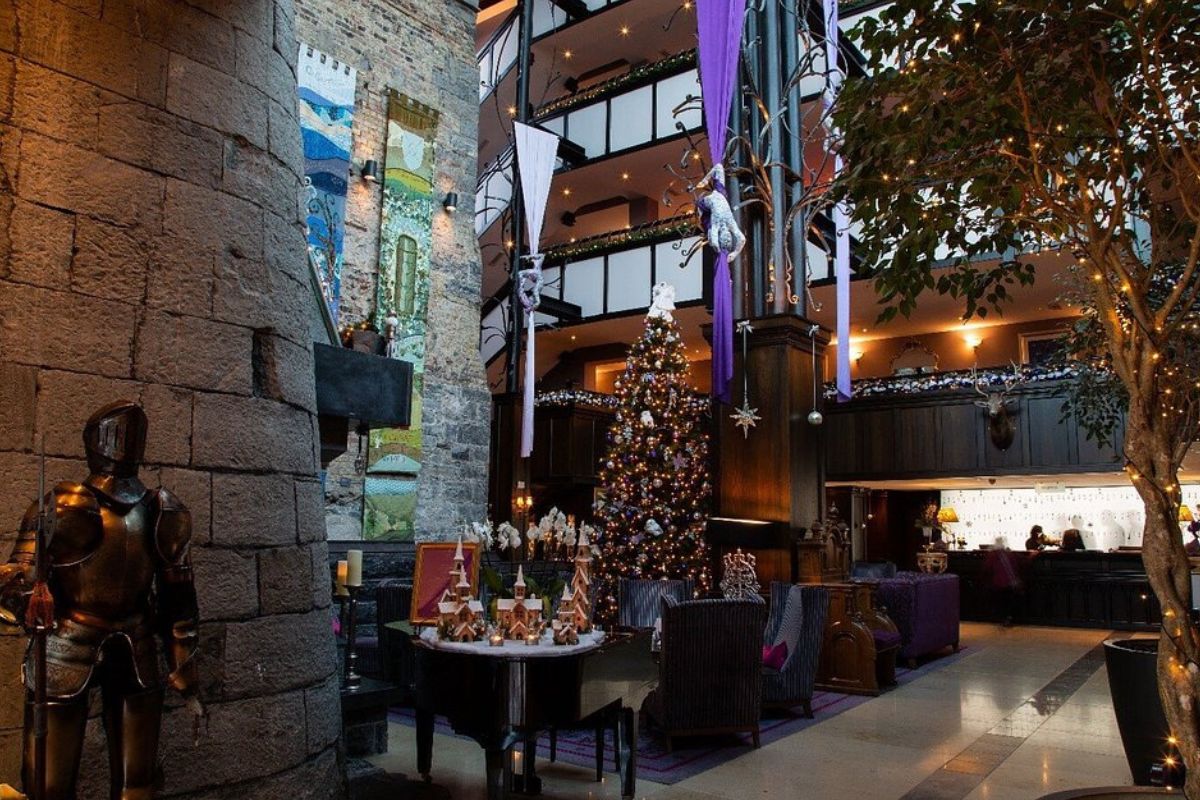
Clontarf Castle now operates as a four-star boutique hotel. Guests can experience history while enjoying modern comfort. The interiors feature original stone walls, stained glass windows, and ornate fireplaces. Stylish décor and modern amenities complete the experience. Many rooms offer views of the gardens or surrounding neighborhood. For history lovers, guided tours are available on request. Informative displays tell the story of the castle and its many owners. Guests can stroll through the landscaped gardens and enjoy the peaceful setting. Seasonal events celebrate Irish traditions and festivals, adding to its charm.
The castle is open year-round and maintained with great care. Its staff are knowledgeable and happy to share its stories. Whether you come for a weekend stay, a special event, or simply to explore, Clontarf Castle offers a memorable experience. It stands as a proud example of Ireland’s enduring history and hospitality.
Castles near Clontarf Castle
Frequently asked questions
Can I visit Clontarf Castle without staying overnight?
Yes, you can visit Clontarf Castle by booking a table at Fahrenheit Restaurant, having afternoon tea, or visiting the Knights Bar. The castle operates as a hotel, not a traditional visitor attraction with public tours.
What is the history of Clontarf Castle?
The first castle on this site was built in 1172 by Norman settler Adam de Phepoe. The current structure dates from 1837 and was converted into a 4-star hotel in 1998, combining historic architecture with modern hospitality.
How do I get to Clontarf Castle from Dublin city centre?
Take Dublin Bus route 130, which runs every 10 minutes on weekdays and stops directly at Clontarf Castle (fare approx. €2.55). Alternatively, take the DART to Clontarf Road or Killester stations, both a 10–15 minute walk from the castle.
Is there parking at Clontarf Castle?
Yes, Clontarf Castle offers free on-site parking for hotel guests and restaurant patrons. This makes it convenient for visitors arriving by car from Dublin or further afield.
What is there to do near Clontarf Castle?
Clontarf Castle is a 5-minute walk from Dublin Bay's beaches and coastal walks. The area is linked to the 1014 Battle of Clontarf, and nearby St. John the Baptist Church is where Dracula author Bram Stoker was baptised.
Featured listings