
Rising above the Dniester estuary in southwestern Ukraine, Bilhorod-Dnistrovskyi Fortress commands one of the most strategic positions on the Black Sea coast. This monumental stronghold ranks as the largest and best-preserved fortress in Ukraine, with walls extending almost two kilometres and 26 surviving towers. The fortress sits in Bilhorod-Dnistrovskyi in the Odesa Oblast, within the historical region of Bessarabia. Builders used white limestone upon the ruins of ancient Tyras when they constructed the fortress. Its layered fortifications tell centuries of military and cultural history.
Plan your visit to Bilhorod-Dnistrovskyi Fortress
Location of Bilhorod-Dnistrovskyi Fortress
The fortress occupies a commanding position on the western shore of the Dniester estuary in Bilhorod-Dnistrovskyi. Builders placed it on a rocky hill washed by the waters of the estuary, which gave defenders a natural advantage. The city of Bilhorod-Dnistrovskyi stands approximately 86 kilometres from Odesa by road. Visitors reach the site via Highway M15, which connects the region to major urban centres. The fortress overlooks the estuary where the Dniester River flows into the Black Sea. It once controlled a vital trade route between Europe and Asia. This strategic location made the site valuable to successive empires for more than two millennia.
History of Bilhorod-Dnistrovskyi Fortress
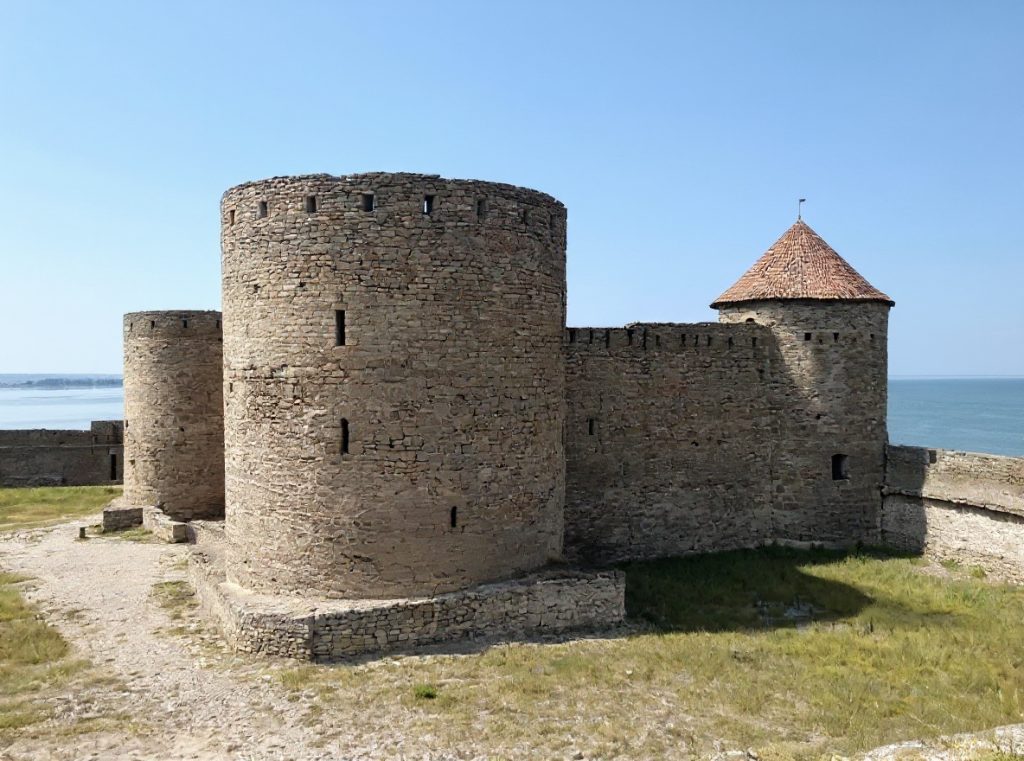
Milesian colonists founded a settlement named Tyras on this location. Roman and Byzantine powers later ruled it. After invaders destroyed the ancient city, Slavic tribes settled the area. In the 10th century, Bilhorod belonged to Kievan Rus’. The fortress as it stands today began to take shape in the late medieval period. Large-scale construction of the modern stone fortress took place between 1438 and 1454 under the direction of master Fedorko. Master Fedorko built the fortress with 26 turrets, four gates, and a citadel.
During the Moldavian period, the fortress became known as Cetatea Albă and served as the principality’s main port. The fortress had 34 towers, with some reaching as much as 20 metres tall. A deep moat surrounded the fortress on the outside. In 1484, Ottoman forces laid siege and captured the fortress, then renamed the city Akkerman. In 1485, Stephen the Great tried to recapture Bilhorod but failed. During the long Turkish domination, workers repeatedly rebuilt and renovated the Bilhorod fortress with new fortifications. Melek Ahmed Pasha significantly strengthened the fortress in 1657.
In 1812 it came under Russian rule. From 1918 to 1940 it belonged to Romania and carried the name Cetatea Albă. In 1832, authorities abolished the fortress as an independent military site. It then began its history as an ancient monument. Following World War II, the city received its current Ukrainian name, Bilhorod-Dnistrovskyi. Throughout centuries of conflict and change, the fortress survived as an example of medieval military architecture.
Current status
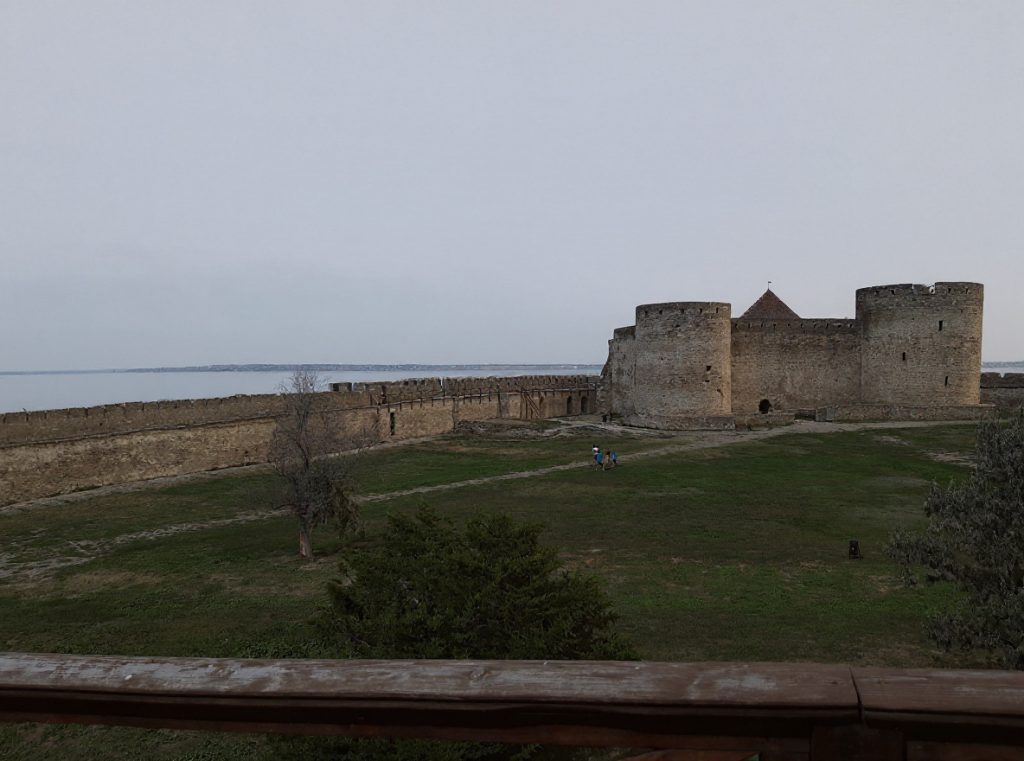
Today the fortress operates as a major historical monument open to the public. The Bilhorod-Dnistrovskyi Fortress, which builders raised on the site of ancient Tyras and the early medieval settlement, is a unique monument of medieval defensive architecture. The fortress stands as an outstanding example of European engineering knowledge and fortification art from the 14th to 18th centuries. Designers perfectly adjusted it to the surrounding landscape. Visitors can explore the towers, walls, courtyards and gates that once protected this strategic outpost. Archaeological excavations near the site continue to reveal layers of the ancient city beneath. The fortress hosts cultural events and serves educational purposes for understanding Ukraine’s complex history.
Ukraine has nominated the site for UNESCO World Heritage status because it recognises the fortress’s exceptional value. The fortress draws visitors from across Europe who come to walk its ramparts and experience medieval military architecture at its finest. Stone walls glow golden in the evening light, while the Dniester estuary stretches toward the Black Sea beyond.
Frequently asked questions
What is the history of Bilhorod-Dnistrovskyi Fortress?
The fortress was built in the 13th–15th centuries on the ruins of the ancient Greek city of Tyras. It was constructed by Genoese merchants, later expanded by Moldavian princes, and ruled by the Ottoman Empire for over 300 years before becoming part of the Russian Empire in 1812.
How large is Bilhorod-Dnistrovskyi Fortress?
It is one of the largest fortresses in Ukraine and Eastern Europe, covering over 9 hectares. The fortress walls stretch for 2.5 kilometres and originally had 34 towers, some reaching 20 metres in height.
Can you climb the walls at Bilhorod-Dnistrovskyi Fortress?
Yes, visitors can climb many of the fortress walls and towers for views across the Dniester Estuary. Wear sturdy footwear as the stone paths are uneven and there are sheer drops in places without barriers.
What does the name Akkerman mean for Bilhorod-Dnistrovskyi Fortress?
Akkerman, meaning 'White Fortress' in Turkish, was the name given by the Ottoman Empire after capturing the fortress in 1484. The fortress is built from white limestone, which explains the name.
Is Bilhorod-Dnistrovskyi Fortress accessible from Chișinău?
Yes, the fortress is 112 miles (181 km) from Chișinău, Moldova. The drive takes approximately 2 hours 50 minutes, though border crossing times vary and visitors should check current entry requirements.
Popular right now
Featured listings