
At the confluence of Lithuania’s two great rivers, Kaunas Castle guards the waterways where the Neris joins the Nemunas. This medieval fortress holds the distinction of being Lithuania’s first stone castle and the only one built with double defensive walls. Teutonic scouts first mentioned the castle in 1361 when they reconnoitred its defences. Since then, the castle has witnessed centuries of conflict, transformation and renewal. Only one-third of the original structure survives today, yet its thick walls and restored tower continue to command their strategic position in Kaunas Old Town.
Plan your visit to Kaunas Castle
Tue–Fri 10:00–18:00
Sat 10:00–17:00
Sun ClosedOpen Sunday 10:00–16:00 from 1 June to 31 August only.
Location of Kaunas Castle
The castle sits on an elevated bank at the meeting point of the Nemunas and Neris rivers in central Kaunas, Lithuania’s second-largest city. You will find it at Pilies Street 17 in the Old Town district, about 100 kilometres from the capital Vilnius. The castle rises within Santaka Park, a green space that encircles the river confluence. Buses, trolleybuses and minibuses serve the Old Town. The closest stop on Saukliu Street sits just minutes from the castle gate. The riverside location places the fortress within easy walking distance of Kaunas Town Hall and the cobbled lanes of the historic quarter. This strategic site controls both waterways and the ancient trade routes that followed them upstream.
History of Kaunas Castle
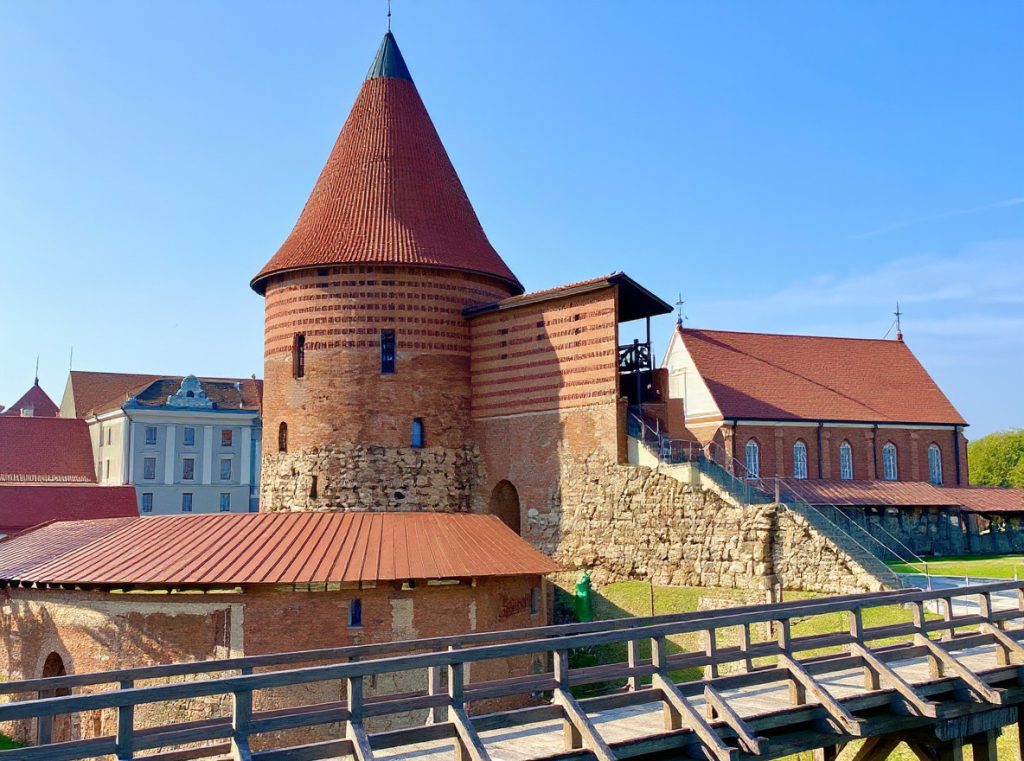
Archaeological evidence suggests builders raised the stone castle during the mid-14th century in the Gothic style. The Grand Duchy of Lithuania constructed the fortress to defend against the Teutonic Knights, who were expanding into the Baltic region. Written records from 1361 show that Grand Master Winrich von Kniprode ordered his scouts to measure the thickness of the castle walls before launching an assault. In March 1362, the Teutonic Order besieged the fortress. Duke Vaidotas led 400 Lithuanian soldiers in defence, yet after three weeks the attackers breached the walls and captured the castle. The Lithuanians soon regained control and rebuilt the stronghold.
Grand Duke Vytautas oversaw a second construction phase in the early 15th century. Builders erected a new castle on the foundations of the first. They added four stone towers to the defensive plan. The original walls measured up to 2.5 metres thick and stood between nine and twelve metres high. Water-filled moats connected to the Neris River and surrounded the enclosure. After the Battle of Grunwald in 1410 broke Teutonic military power, the castle lost its front-line role. The city of Kaunas developed nearby when it received Magdeburg Law privileges in 1408. By the 16th century, an artillery bastion reinforced the southeast tower. The fortress served as an administrative centre and later as the headquarters for the Kaunas County elder. A prison operated within the castle walls during the 16th and 17th centuries.
War with Russia damaged the structure in the mid-17th century. From the 17th to the mid-19th century, the Neris River eroded three-quarters of the castle territory. The fortress fell into neglect and ruin as the river claimed its northern sections.
Current status
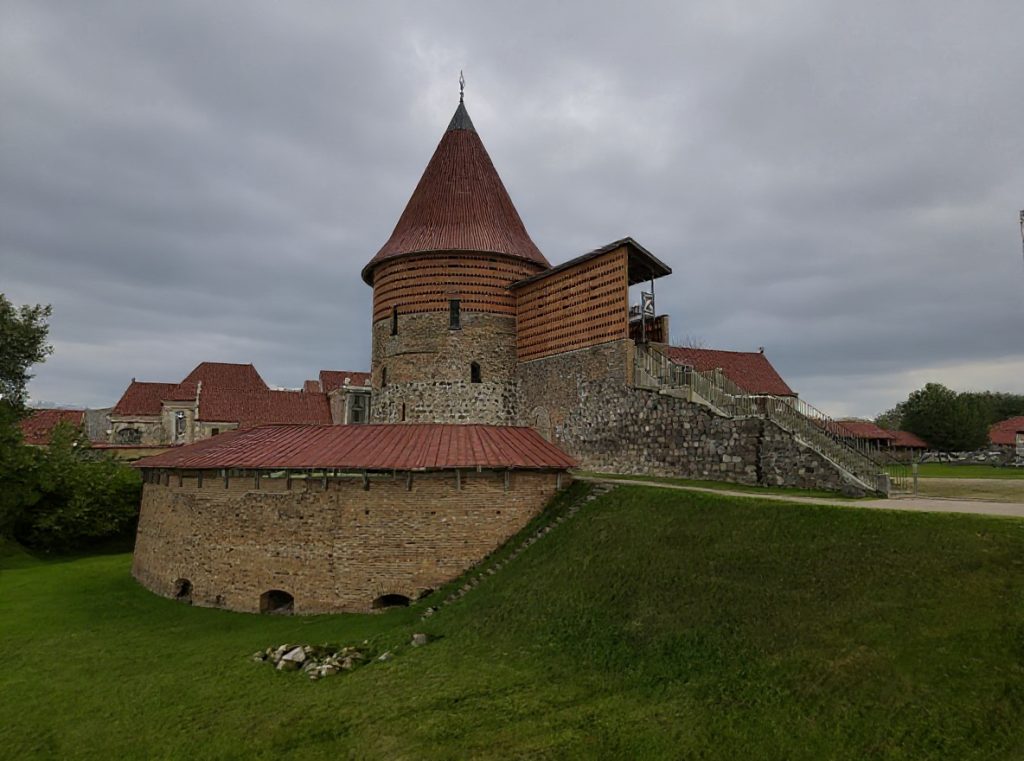
The castle underwent restoration work beginning in the 1930s. Archaeological research has continued to the present day. Major reconstruction took place in 2010 when Kaunas City Municipality rebuilt the southeastern tower. In September 2011, the fortress became a branch of Kaunas City Museum. The museum now runs exhibitions across five areas within the restored tower. Permanent displays trace the castle’s history from the 14th century to today. They present archaeological finds, medieval artefacts and the stories of the fortress’s defenders and prisoners. Visitors can explore the medieval prison, try iron chains, and view pottery fragments and glazed tiles that reveal daily life in past centuries. Temporary exhibitions by contemporary artists also occupy the castle spaces.
The fortress opens Tuesday through Saturday, with hours varying by season. Admission fees apply, though the museum offers free entry on certain national holidays and the last Sunday of summer months. The site forms part of Lithuania’s Register of Cultural Values and receives state protection. Guided tours and educational programmes operate throughout the year. The castle grounds remain accessible year-round, and Santaka Park surrounding the ruins provides riverside walks. The fortress marks the starting point of the Nemunas River Castles route, a circuit of fortifications along the river.
Gothic brick and stone endure at this riverside sentinel, where medieval towers rise above the confluence and centuries of Lithuanian history echo through surviving walls.
Castles near Kaunas Castle
Frequently asked questions
Is Kaunas Castle free to visit?
The castle grounds and observation deck are free to explore. Entry to the tower museum costs €4 for adults, €2 for students and seniors, and is free for schoolchildren and people with disabilities.
How old is Kaunas Castle?
Kaunas Castle was built in the mid-14th century, around 1368. It is one of Lithuania's oldest masonry castles and the oldest stone castle in the country.
What can you see inside Kaunas Castle?
Inside the tower museum you can explore the medieval dungeon, view archaeological artefacts including weapons, and try VR experiences. The castle also houses interactive exhibits tracing its history from the Teutonic Wars to the 19th century.
Can you climb to the top of Kaunas Castle?
Yes, visitors can climb the stone spiral staircase inside the tower to reach upper floors and viewing areas. Good physical fitness is helpful due to the steep stairs.
Where is Kaunas Castle located?
Kaunas Castle stands at the confluence of the Nemunas and Neris rivers in Kaunas Old Town, at Pilies g. 17. It is a 5-minute walk from the main town square and from Kaunas railway station.
Featured listings