Fairy Tale Castles Europe: Storybook Fortresses Come to Life
Europe’s landscape is scattered with castles that look as though they’ve been plucked straight from the pages of a children’s storybook. These fortresses, with their soaring turrets, romantic towers and impossibly picturesque settings, have inspired countless fairy tales and continue to captivate visitors who come seeking a glimpse of a world where imagination and architecture merge.
Which European castles look the most like fairy tales?
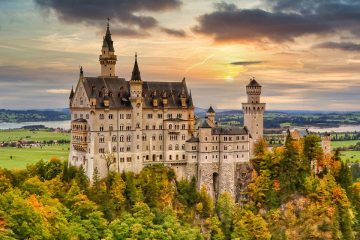
Neuschwanstein Castle in Bavaria stands as Europe’s most recognisable fairy-tale castle, with its white limestone towers and mountain backdrop directly inspiring Disney’s Sleeping Beauty Castle. Other remarkably storybook-like castles include Bojnice in Slovakia with its romantic spires, Pena Palace in Portugal with its vivid colours, Alcázar of Segovia perched on its rocky outcrop, and Château de Pierrefonds in France with its theatrical reconstruction. These castles combine dramatic natural settings with architectural elements such as conical towers, ornate decorations and impossibly romantic silhouettes.
The most fairy-tale-like castles often share certain characteristics: they’re either genuine medieval structures that happened to be built in spectacular locations, or they’re 19th-century romantic revivals created when European nobility became nostalgic for an idealised medieval past. Both types have contributed equally to our collective image of what a storybook castle should look like.
Neuschwanstein Castle: The Ultimate Fairy-Tale Fantasy
Built between 1869 and 1892 by King Ludwig II of Bavaria, Neuschwanstein Castle represents the pinnacle of romantic castle design. Ludwig, who was obsessed with medieval legends and Wagner’s operas, commissioned this castle as a personal retreat, but his vision created what would become the world’s most photographed castle. Theater designer Christian Jank created the original designs for the white limestone structure with multiple towers, turrets and gables, all set against the dramatic backdrop of the Bavarian Alps, with architect Eduard Riedel executing the construction.
Today, visitors approach the castle along winding mountain paths to find interiors that mix Byzantine, Romanesque and Gothic styles, with rooms dedicated to Wagnerian themes. The castle’s dramatic silhouette has appeared on countless travel posters and inspired Disney’s castle designs.
Bojnice Castle: Slovakia’s Romantic Jewel
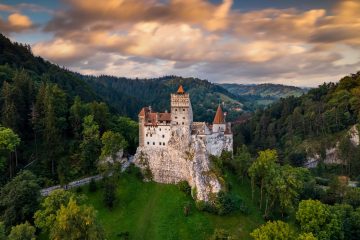
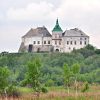
Originally a medieval fortress dating back to the 12th century, Bojnice Castle was transformed between 1888 and 1910 by Count János Ferenc Pálffy into the romantic fairy-tale palace that stands today. The Count, inspired by the French châteaux of the Loire Valley, added decorative turrets, spires and romantic details to create one of Central Europe’s most photogenic castles. The result combines genuine medieval bones with romantic revival architecture.
The castle’s creamy white exterior, topped with red-tiled conical towers, rises above landscaped gardens and a limestone cave system that runs beneath the structure. Inside, you’ll find neo-Gothic carved furniture, Renaissance-style painted ceilings and collections of artworks that span centuries.
Pena Palace: Portugal’s Colourful Dream
Perched high on a hill in the Sintra mountains, Pena Palace breaks all conventional castle colour schemes with its vibrant reds, yellows and purples. Built between 1842 and 1854 by King Ferdinand II on the ruins of a 16th-century monastery, this Romanticist castle deliberately combines Moorish, Gothic, Renaissance and Manueline elements into a wildly eclectic whole. The king, himself a German prince who married into Portuguese royalty, wanted to create a summer retreat that celebrated Portugal’s diverse architectural heritage.
The palace’s fantastical appearance only intensifies up close, where you’ll spot Islamic-style minarets beside medieval battlements, Moorish tiles next to Gothic arches, and carved stone creatures perched on walls. The surrounding park, landscaped with exotic trees from around the world, adds to the dreamlike atmosphere. On misty days, when clouds drift around the palace’s colourful domes and towers, the effect is pure storybook magic.
Alcázar of Segovia: Spain’s Ship-Shaped Wonder
The Alcázar of Segovia occupies a rocky promontory at the confluence of two rivers, its distinctive profile rising dramatically above the Spanish plains. The castle’s slate-covered conical turrets topped with finials contribute to its fairy-tale appearance, while its strategic position has made it an important fortress and royal residence throughout history.
The castle’s exterior combines architectural influences accumulated over centuries, while inside you’ll find decorated rooms and chambers. The tower offers panoramic views across the Castilian landscape. The castle’s dramatic silhouette has inspired artists and storytellers for centuries.
Château de Pierrefonds: France’s Theatrical Fortress
Château de Pierrefonds presents one of the most theatrical castle profiles in France. The château features massive round towers, a monumental keep, and decorative sculptures that create a romantic vision of medieval architecture. The result presents a picture-perfect medieval profile complete with crenellations and elaborate architectural details.
The castle’s exterior creates an impressive silhouette against the sky, while the interior courtyard reveals Gothic-inspired grandeur. Filled with carved capitals, painted decorations and period-inspired furnishings, this château feels exactly like a castle from a storybook illustration.
Château de Chambord: Renaissance Fantasy in Stone
The Château de Chambord stands as one of the most recognisable examples of French Renaissance architecture. This massive château was never intended as a practical residence but rather as a hunting lodge and symbol of royal power. The château’s skyline, crowded with chimneys, cupolas, and turrets, creates a fantastic roofscape that seems almost unreal in its complexity.
The castle features an ingenious double-helix staircase and is surrounded by extensive forested parkland enclosed by a wall. When viewed from a distance across its vast lawns and reflected in its moat, Chambord looks exactly like the fantasy palaces that grace illuminated manuscripts and fairy-tale books.
Hohenzollern Castle: Germany’s Mountaintop Marvel
Rising from an isolated peak in the Swabian Alps, Hohenzollern Castle commands views across the surrounding countryside from its elevated summit. The castle presents a romantic vision of a medieval fortress, complete with towers, turrets and ramparts that follow the irregular contours of the mountaintop.
Today’s visitors approach through a series of fortified gates before reaching the castle complex with its chapel and palace rooms. The castle’s terraces offer sweeping views that make the climb worthwhile. On foggy mornings, when clouds swirl around the mountaintop, the castle appears to float in the air, creating a scene worthy of the most imaginative fairy tale.
Bled Castle: Slovenia’s Lake-Island Fortress
Perched on a cliff above Lake Bled, Bled Castle is one of Slovenia’s historic fortresses. The castle complex features buildings arranged on two levels connected by a stone staircase. While the fortress itself is impressive, what makes Bled truly fairy-tale-like is its setting: the castle overlooks an emerald lake with a small island at its centre, upon which sits a church with a distinctive steeple.
The castle houses a museum displaying the region’s history, a wine cellar, and a traditional printing workshop where visitors can try Renaissance-era printing techniques. The view from the castle ramparts, taking in the lake, island church, and the Julian Alps beyond, creates one of Europe’s most photographed scenes. The combination of dramatic height, medieval architecture and the picturesque lake setting produces exactly the kind of romantic landscape that storybook illustrators strive to capture.
Planning Your Fairy-Tale Castle Tour
Visiting fairy-tale castles requires some practical planning to make the most of these popular destinations. Many of these castles occupy remote or elevated locations, so allow extra travel time and wear comfortable walking shoes. Consider visiting in shoulder season (late spring or early autumn) when crowds are lighter and the weather still cooperative.
For a comprehensive tour, consider regional grouping: combine Bavaria’s Neuschwanstein with Hohenzollern in a German castle trip, or explore multiple Loire Valley châteaux including Chambord and others in a few days. Portugal’s Sintra area contains several remarkable palaces beyond Pena. Many of these castles host special events during the Christmas season, when evening illuminations and markets add extra magic to already fantastic settings.
Frequently asked questions about fairy tale castles in europe
What makes a castle look like a fairy tale?
Fairy-tale castles typically feature romantic elements such as conical towers, ornate turrets, dramatic hilltop or lakeside settings, and decorative architectural details. Many were either built or heavily renovated during the 19th-century Romantic period when European nobility deliberately created idealised medieval fantasies rather than practical fortresses.
Which fairy-tale castle inspired Disney’s castle design?
Neuschwanstein Castle in Bavaria served as the primary inspiration for Disney’s Sleeping Beauty Castle at Disneyland and later influenced other Disney castle designs. Its white towers, mountain setting and romantic silhouette directly shaped the vision of what a fairy-tale castle should look like.
Are fairy-tale castles authentic medieval buildings?
Some fairy-tale castles stand on medieval foundations with authentic elements, but many were heavily romanticised during 19th-century reconstructions. Castles like Neuschwanstein and Pierrefonds are essentially Victorian-era creations inspired by medieval architecture rather than genuine medieval fortresses, while others retain medieval structures beneath later modifications.
When is the best time to visit fairy-tale castles in Europe?
Late spring (May to June) and early autumn (September to October) offer the best balance of good weather, manageable crowds and beautiful surroundings. Winter visits can be magical, especially around Christmas when many castles host markets and special lighting, though some mountaintop castles may have reduced hours or temporary closures due to snow.