The Best Castles to Visit in Germany: Medieval Fortresses to Fairy-Tale Palaces
Germany holds one of Europe’s richest concentrations of castles, with an estimated 20,000 or more castles and castle ruins spread across its varied landscape. From the Rhine Valley’s medieval strongholds to Bavaria’s romantic palaces, these structures chart the country’s history through centuries of knights, princes and emperors. Whether you’re drawn to fortress ruins perched on rocky crags or perfectly preserved Renaissance residences, Germany offers castle experiences that few other countries can match.
Which German castles should I visit first?
The best castles to visit in Germany include Neuschwanstein Castle for its fairy-tale architecture, Heidelberg Castle for Renaissance ruins, Eltz Castle for medieval preservation, and Hohenzollern Castle for commanding views and Prussian history. These four represent different aspects of German castle heritage and offer distinct experiences, from guided tours through furnished interiors to atmospheric ruins where you can explore at your own pace.
Your choice depends partly on which region you’re visiting. Bavaria concentrates several famous castles in a compact area, whilst the Rhine and Mosel valleys offer dozens of medieval fortresses within short distances of each other. Most major German cities sit within an hour or two of significant castles, making day trips straightforward.
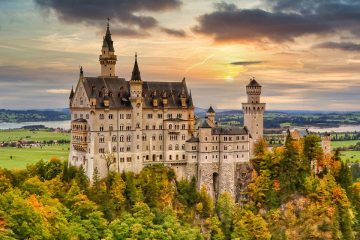
Neuschwanstein Castle: Bavaria’s fairy-tale icon
Neuschwanstein Castle was commissioned by King Ludwig II of Bavaria in 1869 as a personal refuge inspired by Wagner’s operas and medieval romanticism. Construction began that year but was never completed. The king died in 1886, and the castle was opened to paying visitors within weeks. Its white limestone towers and turrets perched above the Pöllat Gorge have made it one of Germany’s most photographed buildings.
Today you can tour the interiors on guided visits. The castle receives a significant number of visitors, so advance booking is essential. It represents the ultimate example of 19th-century romantic castle building, blending medieval aesthetics with the modern construction techniques of its era.
Heidelberg Castle: Romantic ruins overlooking the Neckar
Heidelberg Castle was the seat of the Counts Palatine, later Prince Electors, from the 13th century until French troops destroyed much of it in 1689 and 1693. Lightning struck the remains in 1764, and rather than rebuild, subsequent rulers left it as a romantic ruin. The site combines Gothic and Renaissance architecture, including the Ottheinrich Building facade and the Friedrich Building with its statues of Palatinate rulers.
You reach the castle by funicular from Heidelberg’s old town or via a steep footpath through the gardens. The terraced gardens offer views down to the Neckar River and the old town’s red rooftops. As a ruin, Heidelberg Castle captures that specifically German aesthetic of romantic decay that inspired countless poets and painters during the 19th century.
Eltz Castle: An intact medieval fortress
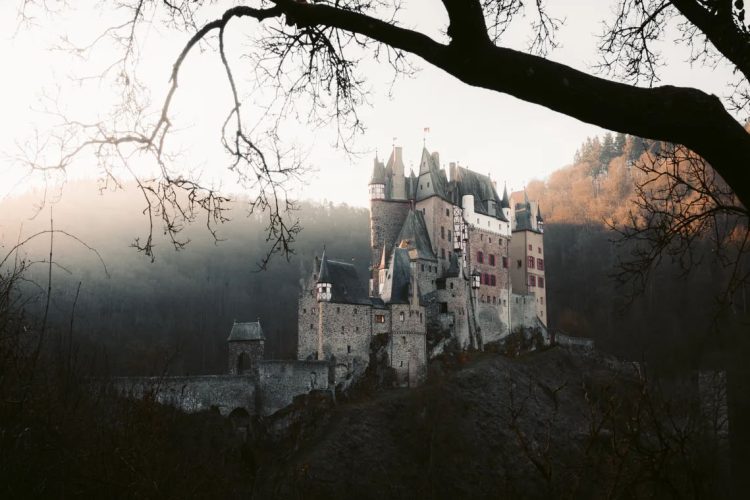
Eltz Castle sits in a side valley of the Mosel River, surviving wars and political changes that destroyed most of its contemporaries. The castle’s unique structure reflects shared ownership by three branches of the Eltz family, each maintaining their own section, which created the distinctive cluster of towers and buildings that stand today.
The interior preserves original furnishings, armour collections and domestic items that disappeared from most German castles during various conflicts. You can only visit by guided tour, which takes you through medieval kitchens, bedrooms and halls that feel remarkably lived-in despite their age. The castle’s isolated forest setting, requiring a walk from the nearest car park, enhances the sense of stepping back into the Middle Ages. It represents one of Germany’s best-preserved medieval castles precisely because it stayed in private hands and avoided both war damage and heavy-handed restoration.
Hohenzollern Castle: Ancestral seat of Prussian royalty
Hohenzollern Castle crowns an isolated mountain peak in the Swabian Alps and served as the ancestral seat of the dynasty that ruled Brandenburg, Prussia and eventually the German Empire. The current structure replaced two earlier castles on the same site, rebuilt in the 19th century in the romantic revival style, creating a fortified palace rather than a genuine defensive structure.
The castle houses significant Prussian treasures. The Protestant Chapel contains some of the finest Neo-Gothic decoration in Germany, with stained glass that creates dramatic light effects. From the ramparts, you can see across to the Black Forest on clear days. The castle is still owned by the two branches of the Hohenzollern family, and the combination of historical importance, architectural interest and commanding position makes it one of southern Germany’s most impressive castle visits.
Wartburg Castle: Where Luther translated the New Testament
Wartburg Castle occupies a forested ridge above the town of Eisenach in Thuringia. Martin Luther hid here in 1521 and 1522 and translated the New Testament into German. The medieval Romanesque palace is one of Germany’s best-preserved secular buildings from that period, whilst later additions reflect centuries of rebuilding and restoration.
You can visit the Great Hall and explore the rooms throughout the castle. The site is a UNESCO World Heritage property, recognising both its architectural importance and its role in German cultural history. It represents a different type of German castle experience, one where historical events matter as much as architecture, connecting you directly to moments that shaped European history.
Cochem Castle: Mosel Valley drama
Cochem Castle towers above the Mosel River on a steep conical hill, visible from throughout the valley below. The original medieval fortress was destroyed and remained a ruin until it was rebuilt in the 19th century in the Neo-Gothic style. Whilst not historically authentic, the reconstruction captures the romantic ideal of how a medieval castle should look, and it’s become one of the river valley’s most photographed landmarks.
The interior features heavily decorated rooms in 19th-century interpretations of medieval and Renaissance styles. Guided tours take you through the Knight’s Hall, various living quarters and up into the tower. The castle’s position offers excellent views of the Mosel’s winding course and the surrounding vineyards. It works particularly well as part of a Rhine or Mosel valley castle tour, where you can visit several fortifications in a single day and appreciate how these structures dominated river trade routes throughout the Middle Ages.
Hohenschwangau Castle: Neuschwanstein’s neighbour
Hohenschwangau Castle stands just below Neuschwanstein and served as King Ludwig II’s childhood home. The medieval ruins were rebuilt in the 19th century, creating a comfortable royal residence in the romantic style. Ludwig spent many summers here, and the castle’s decoration reflects the medieval legends and Germanic mythology that shaped his imagination and later influenced his building of Neuschwanstein.
The rooms preserve their 19th-century furnishings and extensive wall paintings depicting scenes from German legends and medieval history. Unlike Neuschwanstein’s theatrical grandeur, Hohenschwangau feels more intimate and liveable. Visiting both castles in one day provides insight into Ludwig’s evolution from the romantic but relatively restrained taste of his childhood home to the fantastical creation of his later years.
Lichtenstein Castle: A cliff-edge fortress
Lichtenstein Castle perches on a cliff edge in the Swabian Alps, built in the 19th century as a romantic reconstruction inspired by a historical novel about an earlier castle on the site. The architect created a compact fortress that maximises its dramatic clifftop position, with towers and walls that seem to grow directly from the rock.
The interior contains a significant collection of historical arms and armour, displayed in rooms decorated in the Neo-Gothic style. The castle’s relatively small size means tours move through quickly, but the location is what makes it memorable. The building juts out over the edge of its cliff in a way that feels genuinely precarious, creating dramatic photographs from the valley below. It represents the romantic castle-building movement at its most theatrical, prioritising dramatic effect over historical authenticity or practical consideration.
Planning your German castle visits
Germany’s excellent rail network makes castle-hopping straightforward, with most major sites accessible by train plus a short bus ride or walk. Bavaria concentrates several famous castles around Füssen and Munich, whilst the Rhine between Koblenz and Bingen and the Mosel valley pack dozens of fortresses into compact areas perfect for river cruises or driving tours. Spring and autumn offer the best conditions, avoiding summer crowds whilst providing good weather for outdoor exploration.
Many German castles require timed-entry tickets that can sell out during peak season, particularly Neuschwanstein and Hohenschwangau. Book online rather than hoping to purchase on arrival. Some smaller castles close one day a week, and many have shorter hours or close completely from November to March. If your German is limited, check whether tours operate in English before visiting smaller castles. Consider purchasing a regional museum pass if you’re planning multiple visits in states like Bavaria or Baden-Württemberg, as these often include castle admissions and can provide significant savings.
Frequently asked questions about best castles in germany
What is the most visited castle in Germany?
Neuschwanstein Castle is Germany’s most visited castle and one of Europe’s most popular tourist destinations. The castle’s fairy-tale appearance and its connection to King Ludwig II’s romantic vision continue to draw visitors from around the world.
Can you stay overnight in German castles?
Numerous German castles operate as hotels, ranging from luxury establishments to more modest accommodations. At St. Goar, for example, a hotel stands right beside the ruins of Burg Rheinfels, while other castles have been converted into hotels entirely, so you sleep in a genuinely historic building.
How much time should I allow for visiting a German castle?
Most castle visits require two to three hours including travel time from the nearest town, guided tours and exploring the grounds. Larger sites like Heidelberg Castle or Wartburg Castle might warrant half a day, particularly if you want to tour the interiors thoroughly and walk the surrounding areas.
Are German castles accessible for visitors with limited mobility?
Accessibility varies considerably, and hilltop castles like Neuschwanstein and Lichtenstein involve steep paths and stairs even with shuttle services. Most castles provide information about accessibility on their websites, including details about stairs, steep paths and available assistance.