Castles transformed into museums across Europe
Throughout Europe, medieval fortresses have found new purpose as custodians of cultural heritage. These castles transformed into museums offer visitors a unique dual experience. They explore both the architectural grandeur of historic strongholds and the treasures housed within their walls. From Renaissance paintings to medieval armor, these institutions preserve centuries of European history. Moreover, they provide context that ordinary museums cannot match. The stone corridors and vaulted chambers create an atmospheric backdrop for collections spanning art, archaeology, and military history.
Why castles make extraordinary museum spaces
The inherent drama of castle architecture enhances every exhibition. Thick defensive walls and soaring towers create natural galleries with character. Meanwhile, the historical significance of these structures adds layers of meaning to displayed artifacts. Visitors walk through spaces where nobility once lived and armies prepared for battle. Therefore, the building itself becomes part of the exhibition experience.
Additionally, many castle museums occupy strategic locations overlooking rivers or valleys. These settings provided military advantages centuries ago. However, they now offer visitors stunning panoramic views alongside cultural education. The combination proves irresistible for travelers seeking both knowledge and beauty.
Malbork Castle and its Teutonic treasures
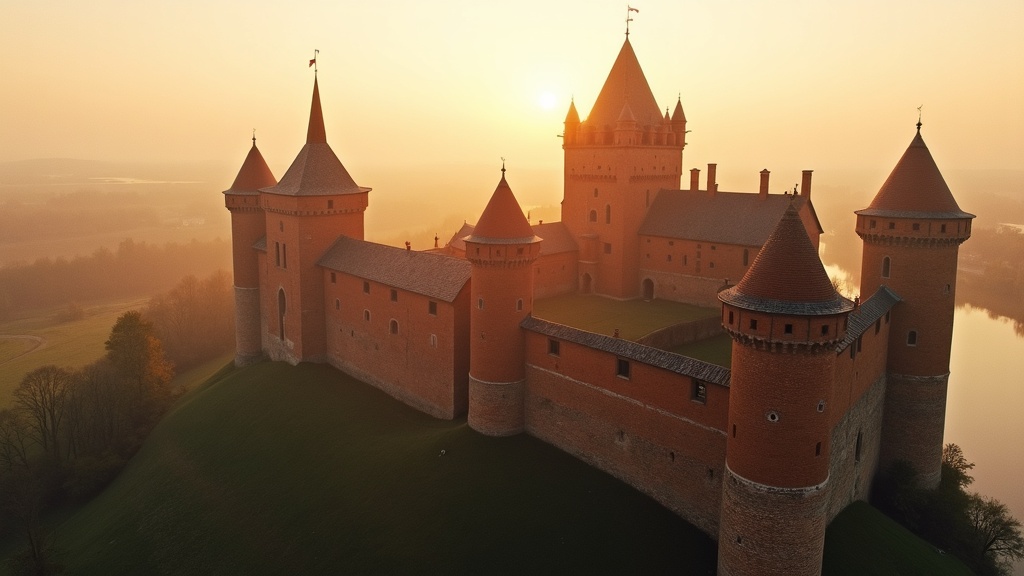
In northern Poland stands Malbork Castle, the largest brick fortress in the world. This UNESCO World Heritage site served as headquarters for the Teutonic Knights. Today, it functions as a comprehensive museum dedicated to medieval history. The castle transformed into museum status in the 19th century. Indeed, it houses over 30 exhibition spaces across three distinct castle sections.
Visitors explore collections of amber artworks, medieval weaponry, and religious artifacts. The Grand Masters’ Palace features reconstructed Gothic interiors with period furnishings. Furthermore, the castle displays an impressive collection of armor spanning several centuries. Archaeological findings from the site reveal daily life within this monastic military order. The museum also maintains extensive archives documenting Teutonic history across Eastern Europe.
Castel Sant’Angelo preserves Roman through Renaissance eras
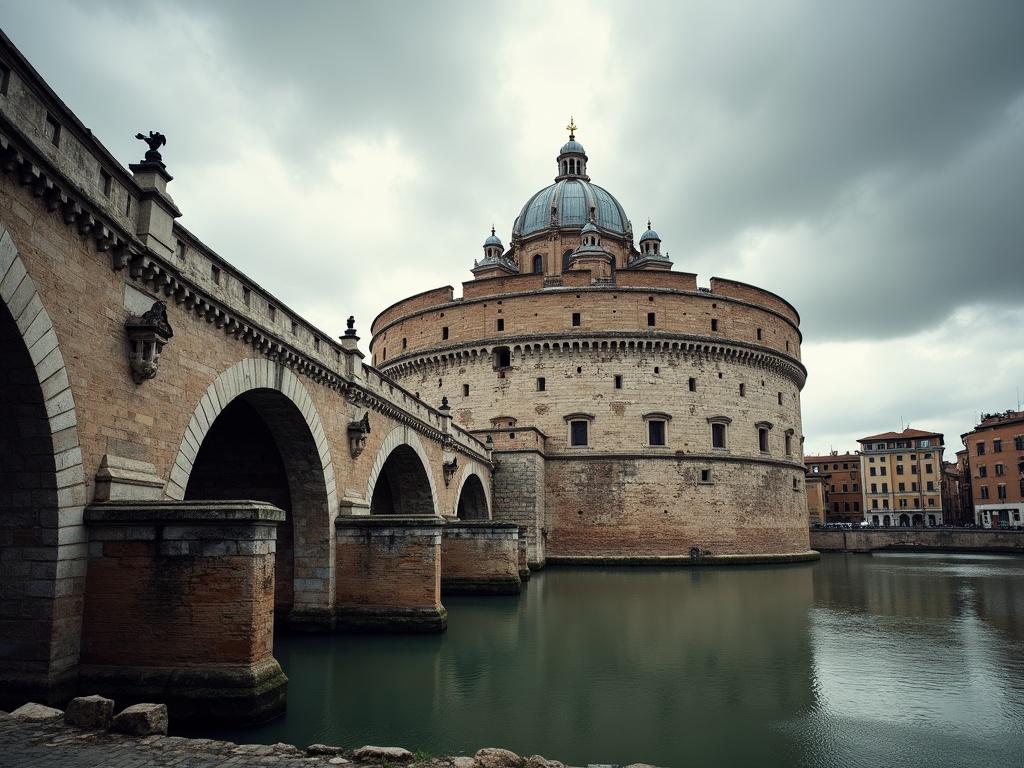
Originally built as Emperor Hadrian’s mausoleum in 139 AD, this Roman structure evolved dramatically. Located beside the Tiber River in Rome, it later became a fortress and papal residence. The transformation into museum occurred in 1901, following centuries of military use. However, the building’s various incarnations remain visible throughout its levels.
The museum collection spans nearly two millennia. Visitors ascend through rooms displaying ancient sculptures, Renaissance frescoes, and military equipment. The papal apartments feature elaborate decorations by Renaissance masters. Moreover, the terrace offers unparalleled views across Rome. The museum brilliantly illustrates how architecture adapts across centuries while preserving historical layers.
Notable castles transformed into museums worth visiting
- Alcázar of Segovia in Spain houses a comprehensive military history collection and royal armor
- Castello Sforzesco in Milan displays Michelangelo’s final sculpture and extensive art collections
- Heidelberg Castle Museum showcases German pharmaceutical history in its atmospheric cellars
- Château de Vincennes near Paris features medieval keep exhibitions and royal chapel
- Spišský hrad in Slovakia presents archaeological findings from this massive hilltop fortress
Castello Sforzesco brings Renaissance Milan to life
This imposing Milanese fortress dominates the city center. The Sforza family commissioned its construction in the 15th century. After periods of military use and near demolition, restoration created multiple museum spaces. Therefore, visitors now access several specialized collections under one fortified roof.
The castle museums include ancient Egyptian artifacts, musical instruments, and decorative arts. The Pinacoteca houses paintings by Bellini, Mantegna, and other Renaissance masters. Meanwhile, the Museum of Ancient Art contains Michelangelo’s unfinished Rondanini Pietà. This poignant sculpture was the artist’s final work. Furthermore, the furniture collection illustrates Italian craftsmanship across centuries. The fortress courtyards host contemporary exhibitions, creating dialogue between medieval and modern.
Alcázar of Segovia combines fairy tale architecture with military heritage
Perched on a rocky crag in central Spain, this castle resembles something from fantasy. Its distinctive ship-like prow overlooks the confluence of two rivers. The structure served Spanish monarchs as fortress and royal palace for centuries. However, its current role as museum began following an 1862 fire and subsequent restoration.
The Royal Artillery College Museum occupies several castle sections. Collections focus on Spanish military history and weaponry development. Additionally, restored royal chambers display period furnishings and tapestries. The Hall of Kings features sculptures of Castilian monarchs in chronological procession. Visitors appreciate both the castle’s dramatic architecture and its carefully curated historical displays. Moreover, the tower climb rewards with exceptional views across Segovia’s medieval cityscape.
How these museums preserve cultural identity
Castles transformed into museums serve crucial preservation roles beyond displaying objects. They maintain traditional conservation techniques specific to historic structures. Stone restoration, fresco preservation, and timber conservation require specialized knowledge. Meanwhile, these institutions train craftspeople in endangered traditional skills.
Furthermore, castle museums often anchor regional tourism economies. They create employment while protecting cultural heritage. Local communities maintain strong connections with these institutions. Indeed, many castles host educational programs introducing young people to history. The museums also document regional traditions through changing exhibitions and research programs. Understanding castle history enriches appreciation for these adaptive reuse projects.
Planning visits to castle museum destinations
Most major castle museums require several hours for thorough exploration. Visitors should prioritize specific collections matching their interests. Additionally, many castles offer guided tours providing historical context. Audio guides typically present information in multiple languages. Some institutions host special exhibitions requiring separate tickets.
Seasonal considerations affect the visiting experience significantly. Summer months bring crowds but longer opening hours. However, autumn and spring offer more contemplative visits with fewer tourists. Winter visits to castles during colder months provide atmospheric experiences. Many castle museums close certain outdoor sections during inclement weather. Therefore, checking seasonal schedules prevents disappointment.
Frequently asked questions
What distinguishes castle museums from traditional museums?
Castle museums integrate architecture with collections. The historic building provides context that purpose-built museums cannot replicate. Visitors experience artifacts within spaces similar to their original settings. Moreover, the defensive features and royal apartments themselves constitute exhibitions. This combination creates immersive educational experiences.
Do castle museums require advance booking?
Major castle museums increasingly implement timed entry systems. Malbork Castle and other popular sites recommend online reservations. However, smaller castle museums often accept walk-in visitors. Peak season visits typically require advance planning. Booking ahead guarantees entry and often provides modest discounts.
Are castle museums accessible for visitors with mobility limitations?
Accessibility varies significantly between castle museums. Medieval architecture presents inherent challenges with stairs and uneven surfaces. However, many institutions have installed lifts and ramps where possible. Additionally, virtual tours and ground-floor exhibitions accommodate visitors unable to climb. Contacting museums directly helps determine specific accessibility provisions.
How do castle museums fund preservation work?
Funding comes from multiple sources including admission fees and government grants. Many castle museums operate gift shops and cafes generating revenue. Additionally, private donations and foundation grants support restoration projects. UNESCO World Heritage status can increase funding opportunities. Membership programs create supporter communities providing reliable financial backing.
Can photography be taken inside castle museums?
Photography policies differ between institutions and specific collections. Many castle museums permit non-flash photography in certain areas. However, special exhibitions often prohibit cameras entirely. Temporary loan items typically require stricter protection. Therefore, checking regulations before visiting prevents confusion. Commercial photography always requires prior written permission from museum administration.
The transformation of defensive fortresses into cultural institutions demonstrates remarkable adaptive reuse. These castles preserve both tangible structures and intangible heritage for future generations. Their collections illuminate European history through carefully curated artifacts and immersive settings. Meanwhile, ongoing conservation ensures these architectural marvels survive for centuries ahead. The museum castles scattered across the continent offer travelers profound connections with the past. They stand as testament to evolving cultural values that prioritize education and preservation over military might.