Crusader castles in Europe: Medieval fortresses of the holy warriors
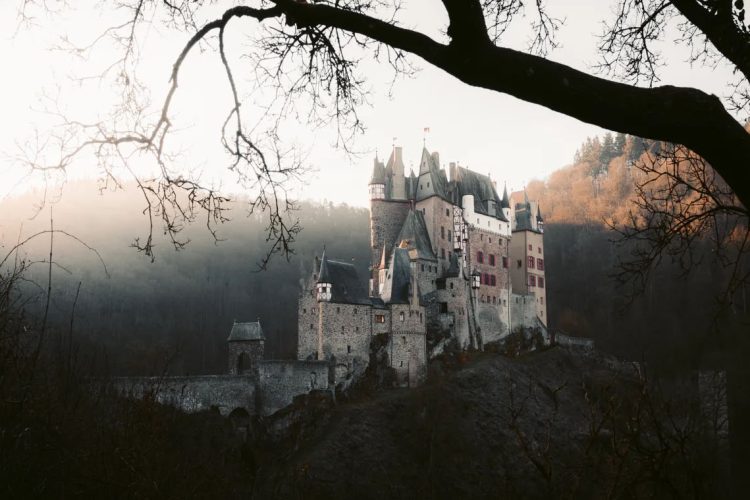
The legacy of the Crusades extends beyond the Holy Land into the heart of Europe itself. Crusader castles in Europe stand as remarkable testaments to medieval military architecture and the religious fervor that shaped centuries of conflict. These fortresses served as strategic strongholds for military orders like the Knights Templar and Hospitallers. Moreover, they protected pilgrimage routes and defended Christian territories across the continent. Today, these imposing structures offer visitors a glimpse into the world of holy warriors and medieval warfare.
The architectural legacy of Crusader castles in Europe
Medieval military orders developed distinctive fortress designs during the Crusades. These innovations then spread throughout Europe as knights returned home. The architectural principles emphasized thick walls, strategic positioning, and defensive capabilities. Furthermore, many castles incorporated features learned from Byzantine and Islamic fortifications. These hybrid designs created some of the most formidable defensive structures ever built.
Crusader castles in Europe typically feature concentric walls and massive towers. The builders positioned them on strategic heights overlooking important routes. Indeed, their military effectiveness influenced castle construction for generations. The architectural sophistication reflects both practical defensive needs and symbolic power.
Tomar Castle and the Knights Templar in Portugal
Tomar Castle stands as Portugal’s most significant Templar fortress. The Knights Templar established this stronghold in 1160 as their Portuguese headquarters. The castle overlooks the Nabão River and guards central Portugal. Its round church, the Charola, exemplifies Templar architectural traditions. This unique octagonal structure served both defensive and religious purposes.
The fortress complex expanded significantly over centuries. However, the original Templar sections remain remarkably preserved. Visitors can explore the castle’s intricate defensive systems and beautiful courtyards. The transition to the Order of Christ in 1319 ensured the castle’s continued importance. Additionally, the castle became a UNESCO World Heritage site recognizing its historical significance.
Almourol Castle: Island fortress on the Tagus
Almourol Castle rises dramatically from a small island in the Tagus River. This Portuguese fortress represents pure Crusader military architecture. The Knights Templar rebuilt it in 1171 on Roman foundations. Its isolated position provided exceptional defensive advantages against Moorish attacks. The castle’s strategic location controlled river traffic and protected Christian territories.
The fortress features ten towers connected by imposing walls. Moreover, its romantic setting makes it one of Portugal’s most photographed castles. The island location creates an almost mythical atmosphere. Visitors reach the castle by small boats crossing the peaceful river. The well-preserved structure demonstrates Templar engineering prowess and strategic thinking.
Strategic importance in medieval conflicts
The castle played crucial roles during the Reconquista. Templar knights used it to launch campaigns against Moorish forces. Furthermore, it secured vital communication routes between northern and southern Portugal. The fortress exemplifies how Crusader castles in Europe functioned as military bases. Its effectiveness influenced later Portuguese fortress designs throughout their expanding empire.
Malbork Castle: Teutonic Order’s mighty fortress
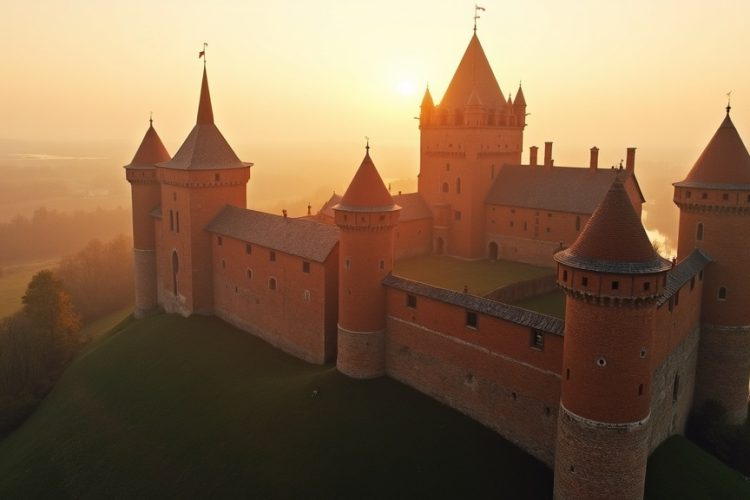
Malbork Castle in Poland represents the largest castle complex built by Crusader knights. The Teutonic Order constructed this massive brick fortress starting in 1274. It served as their headquarters and symbolized their power in Eastern Europe. The castle covers an impressive area along the Nogat River. Indeed, its scale surpasses most other medieval fortifications.
The three-part fortress includes the High Castle, Middle Castle, and Lower Castle. Each section served distinct military and administrative functions. The architecture combines Gothic elements with practical military design. Intricate brickwork decorations showcase remarkable craftsmanship. Additionally, the castle museum displays extensive collections of medieval armor and weapons. Learn more about castle history across Europe to understand its broader context.
Crusader castles in Europe and their Mediterranean connections
Many European fortresses maintained direct connections to Holy Land campaigns. Knights returning from Crusades brought architectural innovations home. These influences appear in fortress designs across Spain, Italy, and Greece. The military orders established networks connecting their European and Middle Eastern holdings. Therefore, architectural styles crossed cultural boundaries.
Rhodes Town in Greece preserves remarkable Hospitaller fortifications. The Knights of St. John transformed Rhodes into a formidable fortress city. Their defensive walls demonstrate advanced military engineering. Meanwhile, Spanish castles reflect Moorish and Crusader influences. This architectural fusion created unique defensive structures found nowhere else.
Consuegra Castle overlooking La Mancha
Consuegra Castle dominates the plains of La Mancha in central Spain. The Knights Hospitaller controlled this strategic fortress during medieval times. Its hilltop position offers commanding views across endless wheat fields. The castle’s distinctive profile includes famous windmills nearby. These structures together create Spain’s most iconic Crusader landscape.
The fortress played important roles during conflicts between Christians and Moors. Archaeological evidence reveals Roman and earlier fortifications on the same site. However, the current structure primarily dates to the 12th century. The castle hosts medieval festivals that recreate historical battles. Visitors can explore its well-preserved towers and defensive walls while enjoying spectacular panoramic views.
Peñíscola Castle: The Pope’s refuge
Peñíscola Castle perches on a rocky peninsula jutting into the Mediterranean Sea. The Knights Templar built this fortress between 1294 and 1307. Its dramatic coastal location provides natural defensive advantages on three sides. The castle later housed Pope Benedict XIII during the Western Schism. This papal connection adds unique historical significance beyond its military origins.
The fortress architecture reflects Templar minimalism and functional design. Massive stone walls withstand Mediterranean storms and military sieges equally well. Moreover, the castle’s picturesque setting attracts filmmakers and tourists alike. The old town surrounds the fortress with narrow medieval streets. Indeed, walking through Peñíscola feels like stepping back into Crusader times.
Essential features of Crusader military architecture
Several distinctive elements characterize Crusader castles in Europe. Understanding these features enhances appreciation of their military sophistication:
- Concentric defensive walls creating multiple layers of protection against attackers
- Strategic positioning on elevated terrain controlling important routes and territories
- Massive stone construction designed to withstand siege weapons and prolonged attacks
- Round or polygonal towers eliminating blind spots in defensive coverage
- Religious chapels integrated within fortress walls for spiritual and ceremonial purposes
- Underground passages and cisterns ensuring water supply during extended sieges
- Arrow slits and machicolations allowing defenders to attack besiegers safely
- Gatehouses with multiple defensive mechanisms including murder holes and heavy doors
Preserving crusader heritage across Europe
Conservation efforts maintain these irreplaceable historical structures for future generations. Many Crusader castles in Europe require ongoing restoration work. The stone structures face challenges from weathering, wars, and neglect. However, increased tourism provides funding for preservation projects. International organizations recognize their universal historical value.
Modern technology aids restoration while respecting historical authenticity. Archaeologists continue discovering new information about these fortresses. Furthermore, educational programs teach visitors about Crusader history and medieval life. These castles serve as living museums connecting present and past. The Crusades shaped European history profoundly, and these fortresses preserve that legacy.
Planning visits to Crusader fortresses
Visiting Crusader castles in Europe offers immersive historical experiences. Many fortresses provide guided tours explaining their military and religious significance. Spring and autumn offer ideal weather for exploring these often-exposed sites. Additionally, local festivals sometimes recreate medieval battles and ceremonies. Photography enthusiasts find endless opportunities in dramatic fortress settings.
Practical preparation enhances castle visits significantly. Comfortable walking shoes prove essential for navigating uneven medieval stonework. Moreover, bringing water and sun protection helps during extended exploration. Some remote fortresses require advance planning for access. Research opening hours and seasonal closures before traveling. Consider exploring various European castle destinations when planning your journey.
Frequently asked questions
What distinguishes Crusader castles from other medieval fortresses?
Crusader castles feature distinctive architectural elements learned from Middle Eastern warfare. They typically incorporate concentric defensive walls and advanced siege resistance features. Moreover, these fortresses often include religious structures like chapels integrated within their military design. The military orders built them with specific strategic purposes for protecting pilgrimage routes and territorial control.
Which military orders built Crusader castles in Europe?
The Knights Templar, Knights Hospitaller, and Teutonic Order constructed most Crusader fortresses. These religious military organizations combined monastic discipline with warrior training. Each order developed distinctive architectural preferences and strategic approaches. Furthermore, they maintained networks of castles connecting their European strongholds with Holy Land territories throughout the medieval period.
Can visitors explore the interior of these castles today?
Most major Crusader castles in Europe welcome visitors throughout the year. Many offer guided tours explaining historical context and architectural features. However, some sections may remain closed for safety or conservation reasons. Additionally, smaller fortresses might have limited access or require advance arrangements. Checking official websites before visiting ensures the best experience.
How did Crusader castles influence later fortress design?
Innovations from Crusader military architecture spread throughout European fortress construction. The concentric wall system became standard in later medieval castles. Moreover, defensive features like machicolations and improved tower designs gained widespread adoption. These fortresses demonstrated how strategic positioning and thick walls created nearly impregnable strongholds that influenced military architecture for centuries.
What is the best time to visit Crusader castles in Europe?
Spring and early autumn provide ideal conditions for exploring these fortresses. The weather remains pleasant without extreme summer heat or winter cold. Additionally, these shoulder seasons mean fewer crowds at popular sites. Many castles host medieval festivals during summer months offering special historical reenactments. However, winter visits provide atmospheric experiences with dramatic lighting and occasional snow.
The enduring presence of these fortresses reminds visitors of medieval Europe’s complex religious and military history. Walking through their massive gateways connects us directly to knights who dedicated lives to holy warfare. These stones witnessed centuries of conflict, prayer, and daily medieval life. Modern preservation ensures future generations can experience these remarkable monuments. The architectural sophistication and strategic importance of Crusader castles in Europe continue inspiring wonder and scholarly study across the world.