Castle Hotels in Scotland and Ireland Where You Can Stay the Night
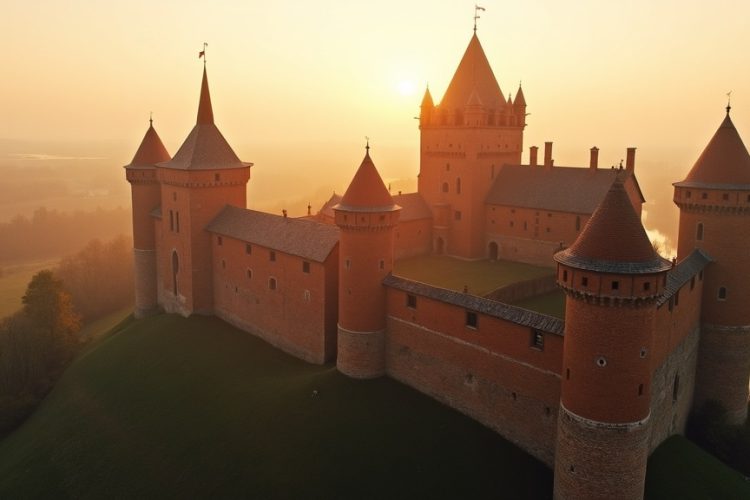
Sleeping behind castle walls transforms a visit from a day trip into a living experience of history. Scotland and Ireland both offer exceptional opportunities to spend the night in genuine castles, from grand baronial halls to intimate tower houses. These properties range from luxurious five-star hotels to family-run establishments, each providing a unique way to connect with centuries of history.
Can you stay overnight in castles in Scotland and Ireland?
Yes, Scotland and Ireland have numerous castles that operate as hotels, offering overnight accommodation in rooms that range from restored medieval chambers to elegantly appointed suites. These castle hotels vary considerably in style and comfort level, from intimate properties with just a handful of rooms to larger estates with extensive facilities including spas, fine dining restaurants, and golf courses.
Many castle hotels occupy buildings that have been continuously inhabited for centuries, with owners who have adapted historic structures for modern hospitality. Others have been carefully restored specifically for hotel use, maintaining period features while adding contemporary amenities. The experience typically includes sleeping in rooms within the original castle structure, dining in historic halls, and exploring the grounds and public rooms at your leisure.
Ashford Castle: Ireland’s Premier Luxury Castle Experience
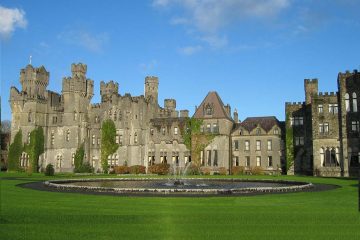
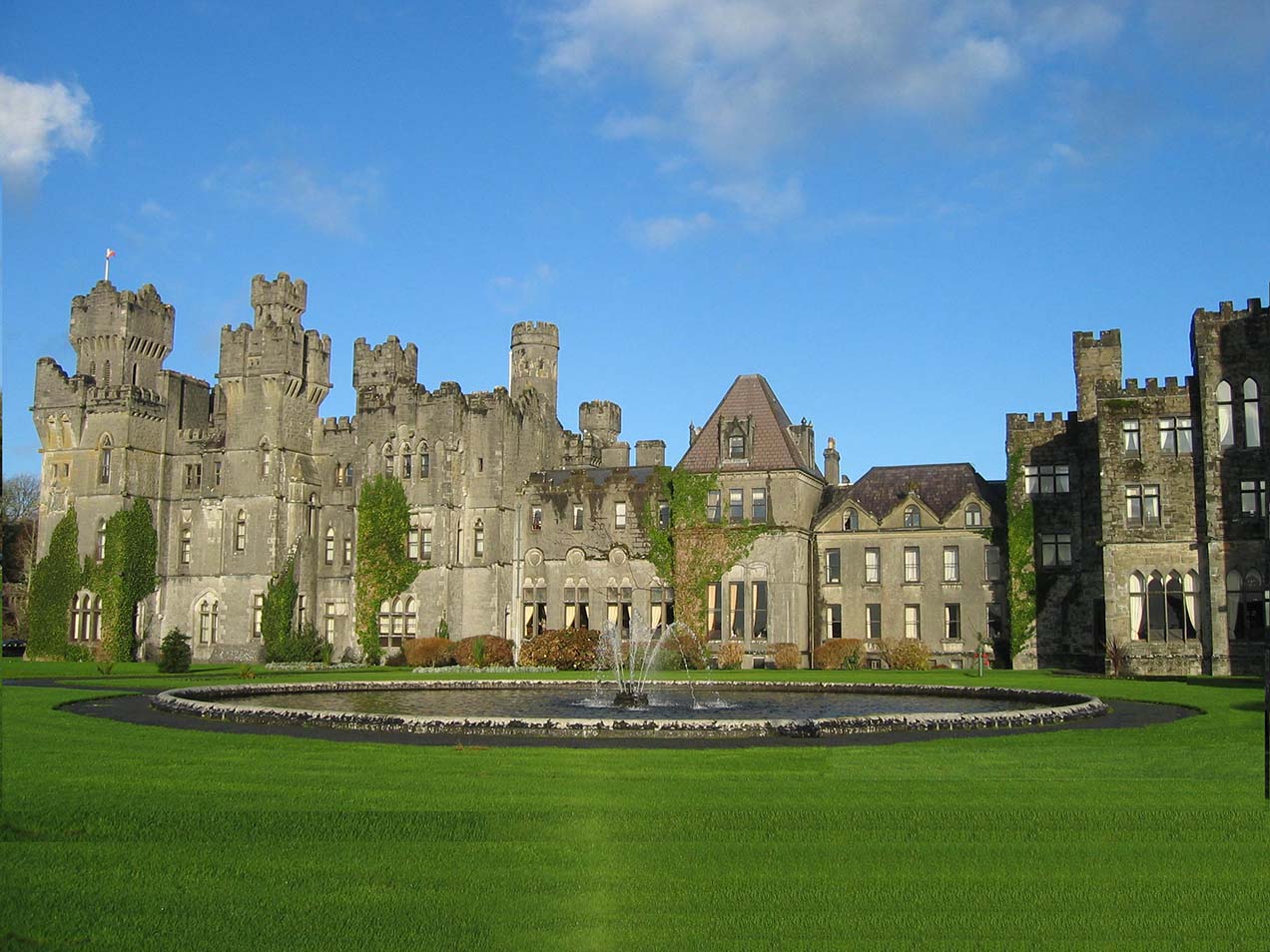
Ashford Castle stands on the shore of Lough Corrib beside the village of Cong, right on the border between County Mayo and County Galway. The castle itself lies on the Galway side of the border, although its postal address is Cong, Co. Mayo. Its origins date to 1228, when the Anglo-Norman de Burgo family built a fortress here. The property evolved through centuries of expansion, particularly in the Victorian era when it was transformed into the grand château-style residence visible today. The Guinness family purchased it in 1852 and owned it until 1939, adding much of its current architectural character before it became a hotel.
Today the hotel offers luxury accommodation across its medieval, Victorian and modern wings. Guests can choose from traditional rooms in the oldest parts of the castle or lakeside suites with contemporary comforts. The property includes formal gardens, a spa, a falconry school and multiple dining venues. The combination of genuine medieval origins and world-class hospitality makes it one of Ireland’s most celebrated castle hotels, perfect for those wanting a high-end experience rooted in authentic history.
Dalhousie Castle: Scotland’s Medieval Tower House Hotel
Located near Bonnyrigg in Midlothian, about eight miles south of Edinburgh, Dalhousie Castle dates to the 13th century and served as the seat of the Ramsay family for centuries. The fortress retains its medieval character with thick walls and historic features. In 1400 it withstood a long siege by the English king Henry IV, one of several episodes that tie it to the conflicts between Scotland and England.
The hotel maintains much of its medieval atmosphere while providing modern comfort. Guest rooms occupy the castle’s upper floors, some featuring four-poster beds and period furnishings. The property offers atmospheric dining in historic surroundings. The castle appeals particularly to those seeking an authentic medieval atmosphere combined with convenient access to Edinburgh, making it ideal for travellers who want to experience a historic fortress without venturing far from the capital.
Clontarf Castle: Dublin’s Victorian Castle Hotel
Clontarf Castle stands in an area forever linked to the Battle of Clontarf in 1014. The first castle on the site was built in the late 12th century by the Anglo-Norman Hugh de Lacy; the building you see today was largely rebuilt in 1837 in a Victorian castle style. Its location in the Dublin suburb of Clontarf makes it particularly convenient for city visitors seeking a castle experience.
The hotel combines Victorian castle architecture with modern facilities, offering comfortable rooms with period touches. Public spaces include wood-panelled halls and atmospheric dining areas that evoke the building’s heritage. The property works well for travellers who want to stay in a castle setting while maintaining easy access to Dublin’s city centre attractions, pubs, and restaurants. Its suburban location means you get castle ambience without rural isolation.
Glenapp Castle: Scottish Baronial Country House on the Ayrshire Coast
Glenapp Castle stands near Ballantrae on the South Ayrshire coast, with views out to sea towards Ailsa Craig. It was built in the Scottish Baronial style around 1870 to a design by the architect David Bryce. The property was designed as a private residence rather than a defensive fortress, which explains its emphasis on comfort and architectural beauty over military strength. The castle remained a private home until its conversion into a luxury hotel, maintaining intimate proportions with relatively few guest rooms.
The hotel operates as a country house retreat with an emphasis on personal service and fine dining. Rooms feature period details and high-quality furnishings, while the property’s extensive gardens and woodland provide scenic walks. The location on Scotland’s southwest coast offers a different landscape from the Highlands, with milder weather and coastal views. This castle hotel suits those seeking a refined, quiet retreat in an elegant Victorian-era setting rather than a medieval fortress experience.
Dromoland Castle: County Clare’s Grand Manor House Hotel
Dromoland Castle near Newmarket-on-Fergus in County Clare was the ancestral home of the O’Brien family, Barons Inchiquin, who trace their line back to the High King Brian Boru. The present castle was completed in 1835 and became a hotel in the 1960s, allowing visitors to experience the grandeur of an Irish country estate.
The hotel offers accommodation in both the castle itself and additional estate buildings, with facilities including a golf course, spa, and formal gardens. Guest rooms in the castle retain period character while providing luxury amenities. The property’s scale and facilities make it suitable for both romantic getaways and family stays, with activities ranging from falconry to fishing. Its County Clare location provides access to the Burren and the Cliffs of Moher, making it a good base for exploring western Ireland.
Inverlochy Castle: Scottish Highlands Luxury in Victorian Splendour
Inverlochy Castle sits near Fort William in the Scottish Highlands, at the foot of Ben Nevis, Britain’s highest peak. It was built in 1863 for Lord Abinger, and Queen Victoria stayed here in 1873, praising the setting as one of the loveliest she had seen. Not to be confused with the 13th-century ruin of Old Inverlochy Castle nearby, the property is now known as a luxury hotel with fine dining and an intimate atmosphere.
The hotel maintains a country house feel with just a small number of rooms, ensuring personal attention and quiet luxury. Interiors feature elegant furnishings and period details throughout. The location provides access to Highland scenery, walking routes, and outdoor pursuits while offering a refined base for those who prefer comfort to rugged adventure. This castle suits travellers seeking exceptional hospitality in a historic building amid Scotland’s most scenic landscapes.
Ballynahinch Castle: Connemara’s Sporting Estate
Ballynahinch Castle in Connemara, County Galway, sits within a vast estate of mountains, rivers, and woodland. It was long the seat of the Martin family and in the 1920s belonged to the Indian prince and cricketer Ranjitsinhji, who loved the estate for its fishing. The property has a relaxed, sporting lodge atmosphere rather than formal grandeur.
Guest rooms blend comfort with traditional character, and the property emphasizes outdoor activities including fishing, walking, and cycling through Connemara’s wild landscapes. The hotel’s restaurant serves local seafood and game in a casual yet refined setting. This castle appeals to those seeking an active, outdoor-focused stay in western Ireland’s most dramatic scenery, where the emphasis is on exploring the landscape rather than formal luxury.
Practical Tips for Staying in Castle Hotels
When planning a stay in castle hotels across Scotland and Ireland, consider transport carefully. Many properties occupy rural locations requiring a car for access and exploration of surrounding areas. Public transport connections may be limited, particularly for castles in the Highlands or western Ireland. If flying in, major airports like Edinburgh, Glasgow, and Dublin offer car hire facilities. Some castle hotels provide transfers from nearby towns or airports, so check when booking.
Seasonal considerations matter more than in city hotels. Spring and autumn offer comfortable temperatures and fewer crowds, while summer brings the best weather for exploring castle grounds and surrounding countryside. Winter can be atmospheric, particularly in Scotland, though daylight hours are short and some outdoor activities may be restricted. Many castle hotels offer seasonal packages, including Christmas celebrations and New Year events. Check individual castle websites for current rates and availability, as room counts are often limited and popular dates book months ahead.
Frequently asked questions about castle hotels in Scotland and Ireland
How much does it cost to stay in a castle hotel in Scotland or Ireland?
Castle hotel rates vary enormously depending on the property and season. Check individual castle websites for current pricing, as rates change throughout the year and special offers may be available.
Do castle hotels have modern amenities like Wi-Fi and heating?
Yes, established castle hotels provide modern amenities including central heating, Wi-Fi, and en-suite bathrooms. Some maintain period character in bedrooms while ensuring contemporary comfort. Older sections of castles may have thicker walls that affect Wi-Fi signal strength, though most properties have addressed this with updated systems.
Can you visit castle hotels even if you’re not staying overnight?
Many castle hotels welcome non-residents for afternoon tea, lunch, or dinner, allowing you to experience the property without an overnight stay. Some offer guided tours or allow access to public areas and grounds for a fee. It’s essential to contact the castle directly or check their website, as policies vary between properties.
Are castle hotels in Scotland and Ireland suitable for families with children?
This depends on the individual property. Larger castle hotels like Dromoland and Ashford actively welcome families and offer activities suitable for children. Smaller, luxury-focused properties may have age restrictions or be better suited to adult guests. Always check the hotel’s family policy when booking, particularly for properties emphasizing romantic or quiet retreats.