Monastic fortresses of Europe where monks lived as warriors
The monastic fortresses of Europe represent a fascinating paradox in medieval history. Monks who dedicated their lives to prayer also built imposing defensive structures. These religious communities faced constant threats from invaders and bandits. Therefore, they transformed their abbeys into formidable strongholds. The result was architecture that combined spiritual devotion with military necessity.
Across the continent, dozens of monasteries evolved into fortress-like complexes. Some religious orders explicitly embraced military roles. Others simply adapted to survive in turbulent times. However, all these sites share common features. Thick walls, defensive towers, and strategic locations characterize these remarkable structures. Moreover, many remain active religious communities today.
Mont Saint-Michel and the tidal fortress tradition
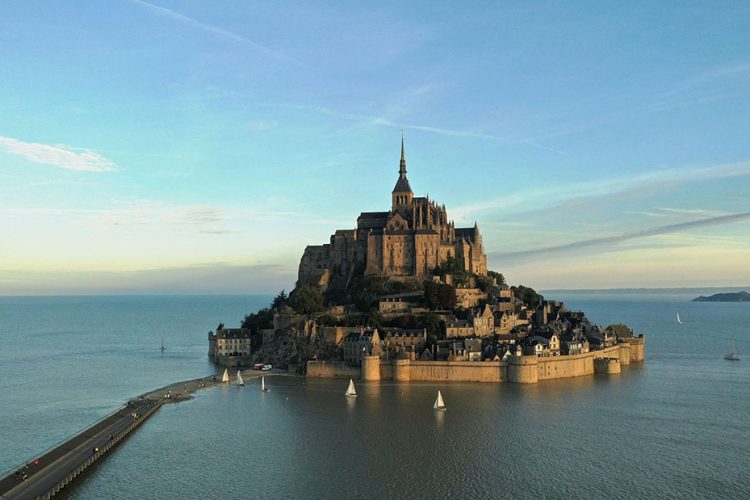
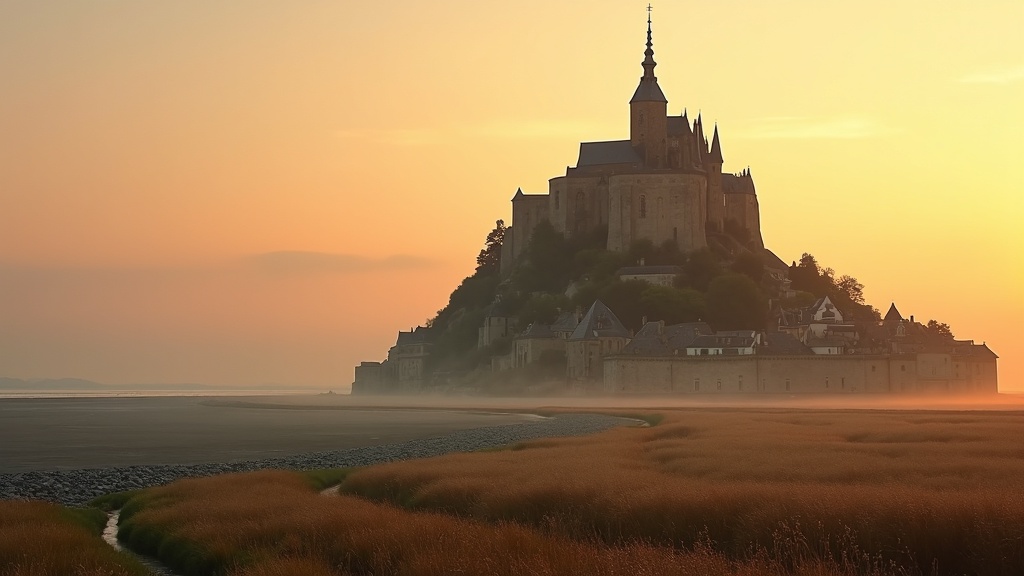
Mont Saint-Michel stands as perhaps the most iconic among monastic fortresses of Europe. This Benedictine abbey rises from a tidal island off Normandy’s coast. Its strategic position made it nearly impregnable during medieval conflicts. Indeed, the monastery withstood numerous English sieges during the Hundred Years War.
The abbey’s architecture reflects centuries of military adaptation. Defensive ramparts encircle the entire island community. Furthermore, massive fortified gates control access from the mainland causeway. Monks could retreat to the abbey church at the summit during attacks. The building’s Gothic spire served both as spiritual beacon and watchtower.
Additionally, the monastery maintained a permanent garrison of soldiers. These troops defended the pilgrimage site and its treasures. The combination of natural defenses and human engineering proved remarkably effective. Mont Saint-Michel never fell to enemy forces throughout its medieval history.
Portuguese military monasteries along the frontier
Portugal developed unique monastic fortresses during the Reconquista period. The Knights Templar established several defensive monasteries along disputed borders. The Convent of Christ in Tomar exemplifies this tradition. Originally built as a Templar stronghold, it features circular defensive walls. These fortifications protected vast agricultural lands and religious treasures.
Meanwhile, the Monastery of Alcobaça demonstrates Cistercian military architecture. Despite the order’s peaceful reputation, the abbey incorporated significant defenses. High walls and fortified gates surrounded the complex. The monks maintained armories and trained in defensive warfare. This preparation proved necessary during frequent Moorish raids.
The Monastery of Batalha represents another Portuguese monastic fortress. King John I founded it to commemorate military victory. The royal pantheon within required exceptional security measures. Therefore, architects designed impressive defensive features alongside Gothic beauty. These monastic fortresses of Europe helped secure Portuguese independence.
Alpine monastery strongholds in Austria and Switzerland
Mountain monasteries developed distinct defensive characteristics. Melk Abbey overlooks the Danube from a rocky outcrop in Austria. This Benedictine monastery controlled river traffic for centuries. Its position on sheer cliffs provided natural protection. However, monks still added massive walls and defensive towers.
The abbey withstood Ottoman sieges during the 16th century. Monastic communities stored provisions for extended blockades. Furthermore, they maintained wells and grain reserves within fortified precincts. The library and treasury occupied the most defensible locations. This strategic planning ensured cultural preservation during conflicts.
Swiss monastery fortresses adapted to Alpine conditions. Saint Gallen Abbey originally featured defensive walls and towers. Though later demolished, historical records describe formidable fortifications. The monastery held authority over surrounding territories. Therefore, military capability remained essential to maintain regional power. These elevated sanctuaries served both spiritual and strategic purposes.
Monastic fortresses of Europe in Hungary and Poland
Eastern European monasteries faced constant threats from various invaders. Pannonhalma Archabbey in Hungary exemplifies defensive monastic architecture. Founded in 996, it occupied a strategic hilltop position. Thick walls and defensive towers surrounded the Benedictine complex. The abbey survived Mongol invasions and Ottoman campaigns through robust fortifications.
Moreover, the monastery maintained its own military forces. Monks drilled in defensive tactics alongside professional soldiers. The abbey’s wealth made it a tempting target. Therefore, continuous investment in defensive improvements remained priority. The library and school operated safely within protected walls.
Polish monastery fortresses developed similar characteristics. Jasna Góra Monastery in Częstochowa became legendary for military resistance. During the Swedish Deluge of 1655, a small garrison withstood massive armies. The fortified monastery inspired national resistance movements. Its bastions and ramparts demonstrated sophisticated military engineering. These monastic fortresses of Europe preserved cultural identity during occupation.
Key architectural features of fortified monasteries
Several elements distinguish monastic fortresses from typical religious buildings. Understanding these features reveals the dual nature of these structures:
- Curtain walls with defensive towers enclosing entire complexes
- Strategic placement on hills, islands, or river bends
- Fortified gatehouses with portcullises and murder holes
- Internal wells ensuring water supply during sieges
- Granaries and storerooms for extended self-sufficiency
- Armories and weapon storage within sacred precincts
- Multiple defensive lines protecting inner sanctuaries
- Watchtowers providing surveillance of surrounding territories
The military religious orders and their strongholds
Certain religious orders explicitly combined monastic life with military service. The Knights Hospitaller established fortress monasteries across Europe. Their commanderies functioned as both religious houses and military bases. The order maintained hospitals alongside training grounds for knights.
Similarly, Teutonic Knights built castle-monasteries throughout Eastern Europe. Marienburg Castle served as their headquarters and monastery. These warrior monks followed strict religious rules while conducting military campaigns. The combination of spiritual discipline and martial training created formidable fighting forces. Their monastic fortresses of Europe controlled vast territories.
Furthermore, smaller military orders established regional strongholds. The Order of Calatrava defended Spanish frontier territories. Their monastery-castles featured both churches and barracks. Monks who took vows of poverty lived within fortress walls. This unique lifestyle shaped medieval European history profoundly. External links to military religious orders provide additional context.
Preservation and modern access to monastery fortresses
Many fortified monasteries maintain active religious communities today. However, most welcome visitors to explore their historic defenses. Mont Saint-Michel attracts millions of pilgrims and tourists annually. Guided tours explain both spiritual and military history. Photography opportunities abound throughout these atmospheric locations.
Additionally, several sites offer overnight accommodation for visitors. Some monasteries operate guesthouses within their ancient walls. This allows travelers to experience monastic rhythms firsthand. Moreover, these stays support ongoing preservation efforts. The combination of tourism and religious function ensures continued maintenance.
UNESCO recognizes several monastic fortresses as World Heritage Sites. This designation helps fund restoration projects. Furthermore, it raises international awareness of their significance. Conservation challenges include weather damage and visitor impact. Nevertheless, careful stewardship preserves these treasures for future generations.
Frequently asked questions
Why did monks build fortified monasteries instead of peaceful retreats?
Medieval monasteries faced constant threats from raiders, invading armies, and bandits. These institutions held significant wealth in treasures, libraries, and land. Therefore, defensive fortifications became necessary for survival. Moreover, some religious orders explicitly combined military and spiritual missions. The monastic fortresses of Europe reflect the violent reality of medieval life.
Which monastic fortress offers the most impressive defensive architecture?
Mont Saint-Michel demonstrates perhaps the most sophisticated integration of defense and devotion. Its tidal position, concentric walls, and elevated abbey church create extraordinary protection. However, each fortified monastery possesses unique features. The Convent of Christ in Tomar showcases Templar military engineering. Pannonhalma Archabbey exemplifies Hungarian defensive adaptations. Personal preferences determine which site impresses most.
Can visitors stay overnight in these historic monastery fortresses?
Several fortified monasteries offer guesthouse accommodations for visitors. Melk Abbey and Pannonhalma both maintain hospitality traditions. Guests typically follow monastic schedules and respect religious practices. These stays provide authentic experiences within functioning communities. However, availability varies by season and religious calendar. Advanced booking is essential for popular locations.
How did fortified monasteries impact medieval military history?
Monastic fortresses played crucial strategic roles during medieval conflicts. They controlled important routes, defended borders, and sheltered populations. Furthermore, military religious orders fielded significant fighting forces. The Knights Hospitaller and Templars influenced crusade outcomes. Some monastery fortresses withstood famous sieges that changed national histories. Their military significance matched their spiritual importance.
What distinguishes monastic fortresses from regular castles in Europe?
While both structures prioritized defense, monastic fortresses served religious communities first. Their layouts centered on churches, cloisters, and chapter houses. Castle design focused on lord’s quarters and military functions. Additionally, monasteries maintained specific architectural requirements for religious life. Prayer schedules influenced tower bell placement and church orientation. These dual purposes created distinctive architectural solutions throughout Europe.
The monastic fortresses of Europe stand as monuments to faith tested by conflict. These structures protected religious communities through centuries of warfare. Their walls sheltered not only monks but also invaluable cultural treasures. Today, visitors can explore these remarkable sites and understand their complex legacy. The combination of spiritual purpose and military necessity created architectural masterpieces. These fortress-monasteries remind us that medieval life required both prayer and preparation. Their preservation allows modern travelers to witness this unique chapter of European history.