
Rosenborg Castle, a striking Renaissance masterpiece, stands as one of Denmark’s most treasured landmarks. Surrounded by lush gardens, it is filled with centuries-old artifacts. This castle offers a captivating glimpse into Denmark’s royal past. Built in the early 17th century, it has become an iconic symbol of Danish heritage and craftsmanship. It draws countless visitors to its doors each year. As a repository of royal history, Rosenborg Castle continues to enchant. Its architectural beauty and historical significance stand unmatched.
Plan your visit to Rosenborg Castle
Location of rosenborg Castle
The castle is located in the heart of Copenhagen, Denmark. Furthermore, it is nestled within the expansive and serene King’s Garden, or Kongens Have. Its central position makes it easily accessible by foot, bicycle, or public transportation. Additionally, the surrounding gardens provide a tranquil escape from the bustling city, serving as a picturesque backdrop for the castle’s majestic design. Moreover, Rosenborg Castle’s proximity to the city’s key attractions makes it easy to include in any itinerary. Ultimately, its presence enhances the experience of exploring Denmark’s capital.
History of Rosenborg Castle
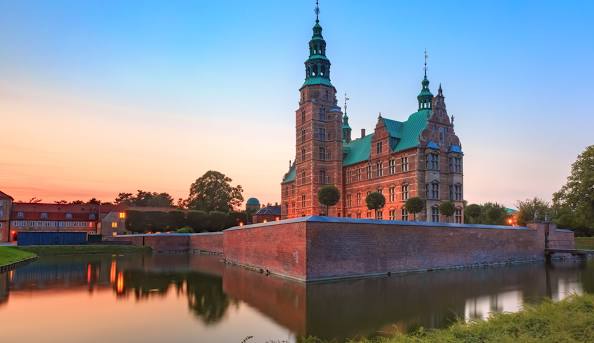
Christian IV closely intertwined his ambitions with the history of Rosenborg Castle. He was one of Denmark’s most influential monarchs. Christian IV constructed the castle between 1606 and 1624, originally designing it as a summer residence. The castle’s exquisite facade reflects the Dutch Renaissance style. The king favored this style, known for its ornamental gables and intricate brickwork.
Throughout its early years, Rosenborg Castle functioned not only as a royal residence but also as a setting for lavish banquets. Important state functions were often hosted there. It was under Christian IV’s rule that many of the castle’s iconic features were completed. The Long Hall and the King’s Writing Cabinet stand as examples.
By the late 18th century, Rosenborg Castle had ceased to serve as an active royal residence. It was instead transformed into a repository for the Danish royal collections. This transition marked the beginning of its role as a museum. It now showcases the monarchy’s treasures to the public. Among these treasures are the Danish Crown Jewels, ceremonial regalia, and personal effects. These belonged to Denmark’s kings and queens.
The castle also played a pivotal role during tumultuous periods of Danish history. It was used as a stronghold during the British attack on Copenhagen in 1801. This strategic use occurred again in 1807. These events underscore the castle’s importance. It is a symbol of cultural heritage and a site of historical value.
Current status
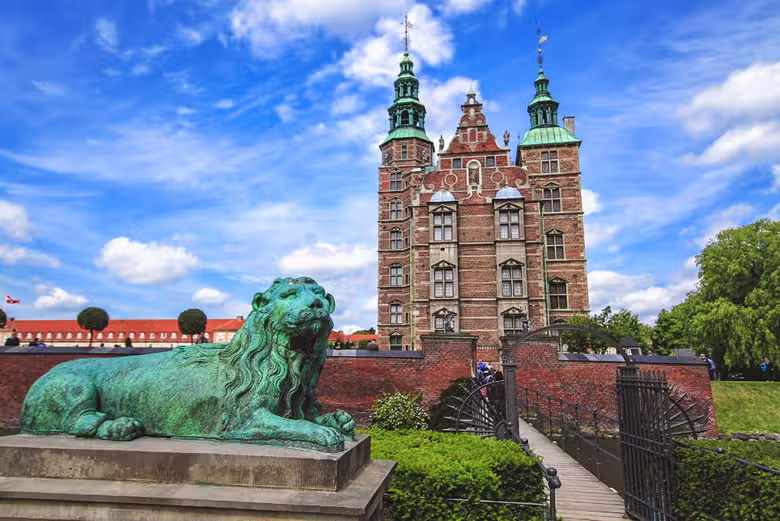
Today, Rosenborg Castle stands as one of Copenhagen’s most popular tourist destinations. Its well-preserved interiors and extensive collections allow visitors to immerse themselves in the opulence of Denmark’s royal past. Managed by the Danish Agency for Culture and Palaces, the castle operates as a museum. Guided tours and exhibitions are offered. These delve deeply into its rich history.
The castle’s highlights include the Long Hall, which houses the coronation thrones and the iconic silver lions. Additionally, the treasury attracts visitors with its dazzling display of Crown Jewels and regalia. Throughout the castle, visitors discover intricate tapestries, ornate furnishings, and historic artifacts. These provide insights into the daily lives and ceremonies of the Danish monarchy.
The meticulously maintained gardens of Rosenborg Castle provide a popular spot for relaxation. During spring and summer, visitors can enjoy blooming flowers and curated landscapes. These elements enhance the castle’s romantic ambiance.
Preservation teams consistently work to protect Rosenborg Castle and its treasures. Furthermore, conservation projects actively maintain the intricate details of the castle’s architecture. Experts protect the artifacts within, ensuring future generations can appreciate them. These efforts firmly cement the castle’s status as a cultural and historical monument. As a result, scholars, history enthusiasts, and tourists are all drawn to it.
Castles near Rosenborg Castle
Frequently asked questions
What can you see inside Rosenborg Castle?
Rosenborg Castle houses the Danish Crown Jewels and Royal Regalia in the basement Treasury, plus 24 rooms of royal furnishings, paintings and artefacts arranged chronologically from King Christian IV (1600s) to Frederik VII (1800s). The castle includes Christian IV's personal rooms, the Knights' Hall and collections of tapestries, glassware and royal possessions.
Do I need to book tickets for Rosenborg Castle in advance?
Yes, advance booking is strongly recommended. Rosenborg Castle operates with timed entry slots that sell out during peak season, and you must select your arrival time when purchasing tickets. Online tickets save 10 kr and let you skip the ticket desk queue.
Is Rosenborg Castle accessible for wheelchair users?
Rosenborg Castle has limited accessibility due to its 17th-century design with narrow spiral staircases and no lift. The upper floors and basement Treasury are not wheelchair accessible. The surrounding King's Garden (Kongens Have) is fully accessible and free to visit.
Can you visit the gardens at Rosenborg Castle for free?
Yes, the King's Garden (Kongens Have) surrounding Rosenborg Castle is Denmark's oldest royal garden and is free to enter with extended opening hours beyond the castle itself. The garden is Copenhagen's most popular park and well worth visiting even without a castle ticket.
Does the Copenhagen Card include entry to Rosenborg Castle?
Yes, the Copenhagen Card provides free entry to Rosenborg Castle, but you must still book a free timed entry slot in advance or collect a ticket at the Museum Shop by presenting your Copenhagen Card. The card cannot currently be used for online time slot booking.
Featured listings