

On a forested hill above the Seine Valley, Château de Saint-Germain-en-Laye commands the landscape 19 kilometres west of Paris with its elegant Renaissance silhouette. This former royal palace served French monarchs for over five centuries. It witnessed the birth of kings, the signing of treaties, and the exile of foreign sovereigns. Today it houses the National Museum of Archaeology. Yet its walls still echo with the pageantry of France’s most powerful dynasty.
Plan your visit to Château de Saint-Germain-en-Laye
Tue Closed
Wed–Sun 10:00–17:00
Location of Château de Saint-Germain-en-Laye
The château sits in the commune of Saint-Germain-en-Laye in the Yvelines department. The Île-de-France region surrounds it at Place Charles de Gaulle. A vast park laid out by Le Nôtre encircles the structure. From here, visitors enjoy an exceptional view over the Seine Valley and Paris. Travellers take RER line A to Saint-Germain-en-Laye station, then use Exit 3 marked “Château, National Archaeology Museum”. The château stands a three-minute walk from the station. The site sits at the edge of a gigantic forest of 3,500 hectares. The château lies about 19 km west of Paris. Le Nôtre created a 2.5-kilometre stone terrace in the 1660s and 1670s.
History of Château de Saint-Germain-en-Laye
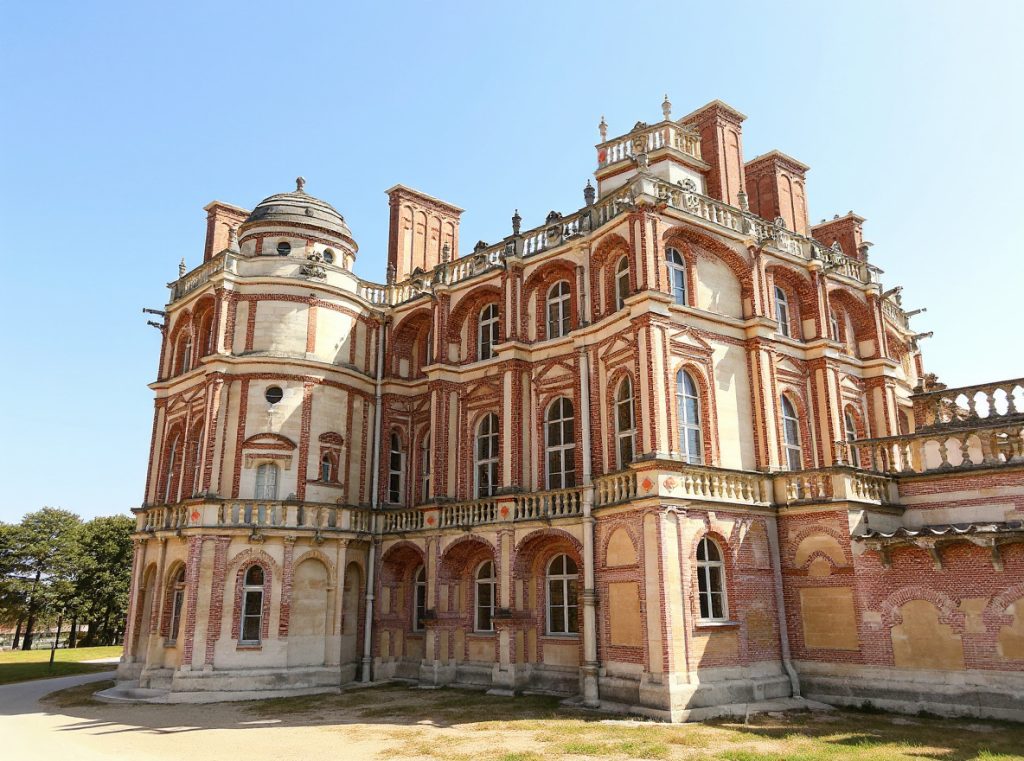
Louis VI, known as le Gros, decided in 1124 to have the château built. He established a fortified hunting lodge in the forests of Saint-Germain and Marly. The site previously held a tenth-century monastery founded by Robert the Pious. Saint-Louis commissioned the chapel in 1238, and architect Pierre de Montreuil designed it. On 15 August 1346, during the Hundred Years’ War, the Black Prince burnt down the castle. Charles V later rebuilt it from 1364 on the old foundations.
François I commissioned Pierre Chambiges to construct a new castle in 1539. The architect incorporated the medieval chapel into the new Renaissance residence. The kings of France from François I to Louis XIV frequently visited the castle. In fact, François I stayed over 1,000 days at Saint-Germain, double the time he spent at Fontainebleau. Henri II continued the work and began construction of the Château-Neuf. Louis XIV entered the world there on 5 September 1638. He made the castle his residence from 1666 to 1681. Then Louis XIV abandoned Saint-Germain to settle in Versailles in 1682.
The château found new royal occupants in 1689 when James II of England and his Jacobite court arrived. They came as exiles after the Glorious Revolution. Louis XIV welcomed them, and James II remained at Saint-Germain until his death. His daughter Louise-Marie Stuart entered the world in exile here in 1692. Many Jacobites remained at the château until the French Revolution, when they left in 1793. Diplomats signed the Treaty of Saint-Germain-en-Laye in the castle on 10 September 1919.
Current status
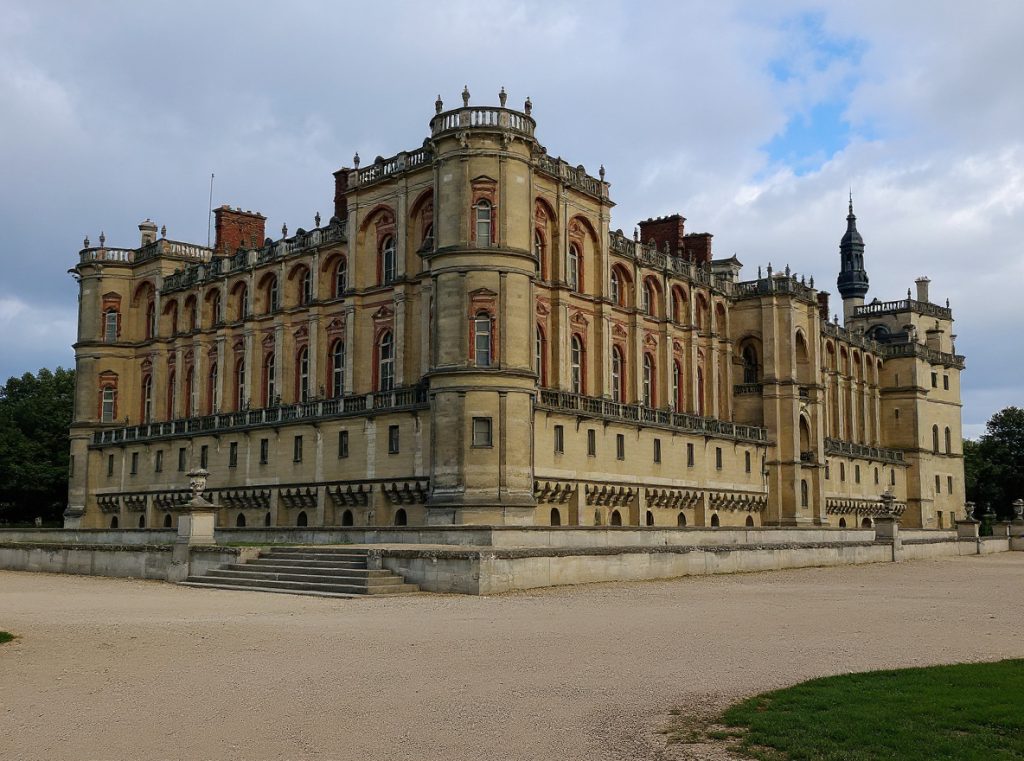
Eugène Millet restored the château in 1862. Since then, on the initiative of Napoleon III, it has housed the Museum of National Antiquities. This institution became the Museum of National Archaeology in 2005. The magnificent monument now holds the Musée d’Archéologie Nationale. Inside, visitors find masterpieces of Celtic and Gallo-Roman antiquity. The collection also includes artefacts from the Paleolithic to the early Middle Ages. More than 29,000 objects fill an itinerary designed to avoid overcrowding. The structure blends medieval, Renaissance, and classical styles. Its elegant main building and broad moats distinguish it.
The National Estate of Saint-Germain-en-Laye offers 40 hectares of preserved spaces. These border a gigantic forest of 3,500 hectares. Adjacent to the former royal forest, the national estate offers a journey through the history of gardens. The Centre des monuments nationaux runs the estate. Visitors explore rooms where Louis XIV once ruled and where exiled Stuart monarchs held court. The château now serves as both a major archaeological museum and a monument to France’s royal past. Scholars and tourists from across Europe come here.
Castles near Château de Saint-Germain-en-Laye
Frequently asked questions
Is the Château de Saint-Germain-en-Laye free to visit?
The permanent collections of the National Archaeology Museum inside the château are currently free. Temporary exhibitions cost €8 (€6 concessions), and entry is free for anyone under 26.
How do I get to Château de Saint-Germain-en-Laye from Paris?
Take RER line A westbound to the terminus at Saint-Germain-en-Laye station. The journey takes approximately 20–30 minutes from central Paris, and the château is directly across from the station.
What can I see at Château de Saint-Germain-en-Laye?
The château houses the National Archaeology Museum with around 30,000 objects from French prehistory to the early Middle Ages. You can also explore the château's Renaissance architecture, formal gardens designed by Le Nôtre, and the panoramic terrace overlooking the Seine valley.
Do I need to book tickets in advance for Château de Saint-Germain-en-Laye?
No, advance booking is not required for individual visits. Tickets are purchased at the museum ticket office on the day of your visit and are valid all day.
What are the opening hours of Château de Saint-Germain-en-Laye?
The museum is open 10:00–17:00 Monday and Wednesday to Sunday, closed on Tuesdays. The château domain grounds are open 08:00–20:30 depending on the season.
Featured listings