
Château de Malmaison, an exquisite castle with rich historical significance, stands as a testament to French heritage and architecture. Situated near the western suburbs of Paris, this castle is renowned for its association with Empress Joséphine de Beauharnais, the first wife of Napoleon Bonaparte. Your journey through Château de Malmaison will provide a glimpse into the opulent lifestyles of the French elite during the early 19th century and the pivotal role it played in French history.
Plan your visit to Château de Malmaison
Tue Closed
Wed–Fri 10:00–12:30, 1:30–17:45
Sat–Sun 10:00–12:30, 1:30–18:15
Can’t wait to visit the château? Book yout Château de Malmaison tour online.
Location of Château de Malmaison
The building is located in the commune of Rueil-Malmaison, in the Hauts-de-Seine department, approximately 15 kilometers west of Paris. Nestled in a serene and verdant landscape, the castle is easily accessible from the capital, making it an ideal destination for history enthusiasts and tourists alike. Moreover, the surrounding area, characterized by its lush gardens and tranquil environment, enhances the castle’s allure, offering a peaceful retreat from the bustling city life of Paris.
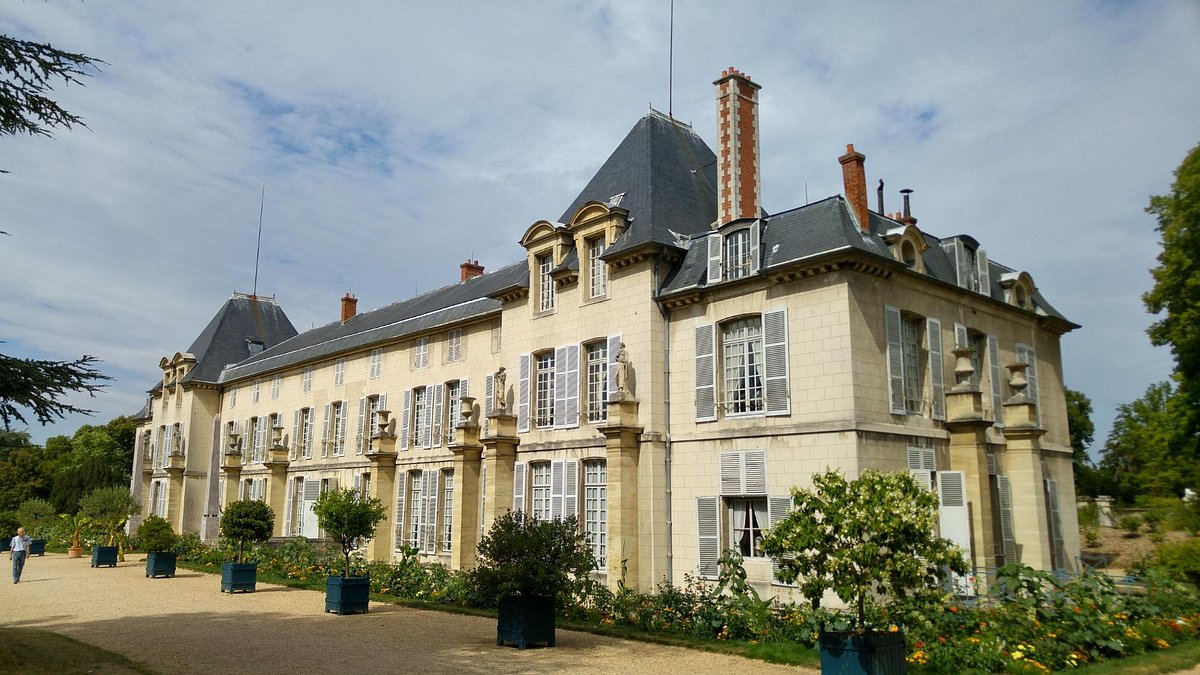
History of Château de Malmaison
The history of Château de Malmaison dates back to the late 14th century. Originally, the site was a small manor house. However, its prominence rose significantly after its acquisition by Joséphine de Beauharnais in 1799. Joséphine purchased the château as a private residence. Meanwhile, Napoleon was engaged in his military campaigns at that time. Under her ownership, the castle underwent extensive renovations and expansions. Consequently, it was transformed into a luxurious estate. This transformation reflected her refined tastes and interests.
Joséphine enlisted the services of architects Percier and Fontaine. They redesigned the château in the neoclassical style. The design blended elegance with modernity. The château became a center of political and social life. It hosted numerous dignitaries, artists, and intellectuals. Many administrative affairs of France were conducted here. This activity earned it the nickname “The Government Palace” during Napoleon’s rule.
After the fall of Napoleon, Joséphine retained ownership of Château de Malmaison until her death in 1814. Subsequently, the château passed through various hands, including those of her children, Eugène and Hortense. In the latter half of the 19th century, it was sold to various private owners and eventually fell into disrepair.
In 1904, the French government acquired Château de Malmaison and undertook restoration efforts to preserve its historical and architectural significance. Today, it serves as a museum, dedicated to the memory of Joséphine and Napoleon, showcasing their personal artifacts, artworks, and furnishings.
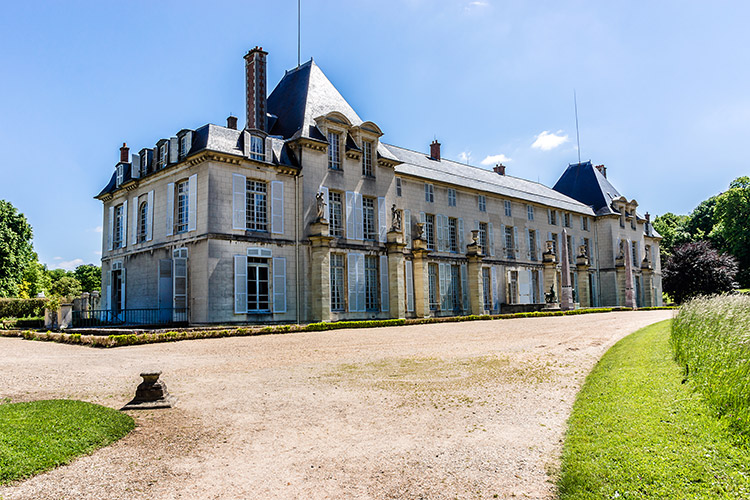
Current status
Château de Malmaison stands today as a meticulously preserved museum. It offers visitors a rich and immersive experience. Visitors can explore the life and times of Joséphine and Napoleon. Managed by the French Ministry of Culture, the château has been restored. The restoration reflects its early 19th-century grandeur. The decorations in many rooms replicate those from Joséphine’s residency.
The museum’s collections include an array of personal belongings, paintings, and decorative arts. Furthermore, these items provide insight into the daily lives of its illustrious inhabitants. The château’s library contains a wealth of historical documents and books. Additionally, this library is of particular interest to scholars and history buffs.
The expansive grounds of Château de Malmaison, including the beautifully landscaped gardens, are a highlight of any visit. The gardens, designed in the English style, were a passion project for Joséphine, who cultivated a vast collection of rare plants and flowers. Visitors can stroll through these picturesque gardens, which still contain many rare and historically significant plant species.
Furthermore, in addition to its historical and botanical attractions, Château de Malmaison hosts a variety of cultural events, exhibitions, and educational programs throughout the year. Consequently, these events offer further opportunities for visitors to engage with the château’s rich heritage and to appreciate its significance in French history.
Castles near Château de Malmaison
Frequently asked questions
What is Château de Malmaison famous for?
The château was the private residence of Napoleon Bonaparte and Empress Joséphine, purchased by Joséphine in 1799. Between 1800 and 1802 it served as the seat of the French government alongside the Tuileries Palace.
Is Château de Malmaison covered by the Paris Museum Pass?
Yes, the château is included in the Paris Museum Pass. The standard admission is €8 for adults, so the pass offers modest savings on this individual site.
Can you visit the rose garden at Château de Malmaison?
Yes, the park and rose garden are open during château hours and can be visited separately for €1.50. Joséphine created a famous rose garden bringing together species from around the world, which is at its peak in June.
How far is Château de Malmaison from Paris?
The château is located about 15 kilometres west of central Paris in Rueil-Malmaison. The journey by public transport takes approximately 45 minutes, or 25 minutes by car.
What should I see inside Château de Malmaison?
The château retains its original Consulate-style décor by architects Percier and Fontaine. You can see Napoleon's study-library, the elegant salons, Joséphine's bedroom, period furnishings, and collections of paintings and porcelain from the early Empire period.
Featured listings