
In the sun-drenched countryside of southern France, Château de La Motte embodies centuries of agricultural heritage and aristocratic life. This former wine estate dates from the 16th century. It watches over 40 hectares of land where olive trees, vineyards and cypress flourish. The château sits 5 kilometres northwest of Narbonne, close to the Canal du Midi. The de Séguin des Hons family has lovingly restored the buildings over generations. They created a welcoming retreat that honours the estate’s storied past.
Plan your visit to Château de La Motte
Sun 09:00–12:00
Location of Château de La Motte
The château sits at the outskirts of the village of Marcorignan in the Aude department of Occitanie. Visitors find it at 34 avenue de Névian, 11120 Marcorignan, an easy journey from regional centres. The property lies within comfortable reach of Narbonne, a historic city that once served as a major Roman settlement. The Abbaye de Fontfroide stands 19 kilometres away. The Réserve Africaine de Sigean lies 23 kilometres distant. Travellers arrive via the well-connected roads that link this corner of Languedoc to the Mediterranean coast and the mountains beyond. The château’s position between the garrigue hills and the fertile Aude plain offers visitors both natural beauty and cultural richness. Ancient pilgrimage routes and Roman roads once crossed these lands. Today’s guests follow in the footsteps of merchants and nobles who traversed this southern corridor for centuries.
History of Château de La Motte
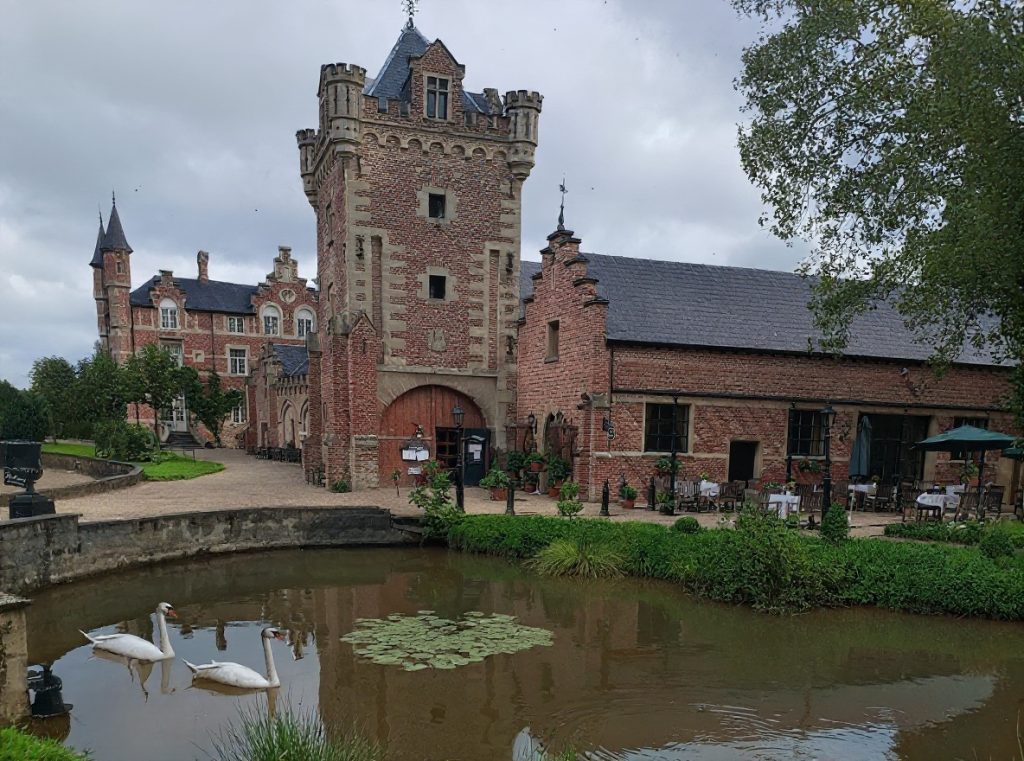
The château began as an ancient wine property in the 16th century, when viticulture dominated the economy of this Mediterranean region. The Renaissance saw ambitious landowners establish substantial estates across southern France. La Motte emerged during this period of agricultural expansion. The noble families who built the château harnessed the fertile soils and favourable climate to cultivate grapes, olives and other crops. Stone masons raised the main residence with its distinctive architecture. They created a courtyard complex that balanced practicality with refined elegance. A chapel stood within the estate, serving the spiritual needs of the household and workers.
For centuries, the property functioned as a working wine domain. Generations of vignerons tended the vines, harvested grapes and produced wines that carried the estate’s reputation across the region. The château witnessed the upheavals of French history, from royal authority through revolution to republic. Agricultural methods evolved, yet the fundamental character of the estate endured. The buildings required constant maintenance. Successive owners adapted spaces to meet changing needs while preserving the Renaissance core. By the late 20th century, economic pressures transformed many historic estates. La Motte faced a crossroads between abandonment and reinvention.
Current status
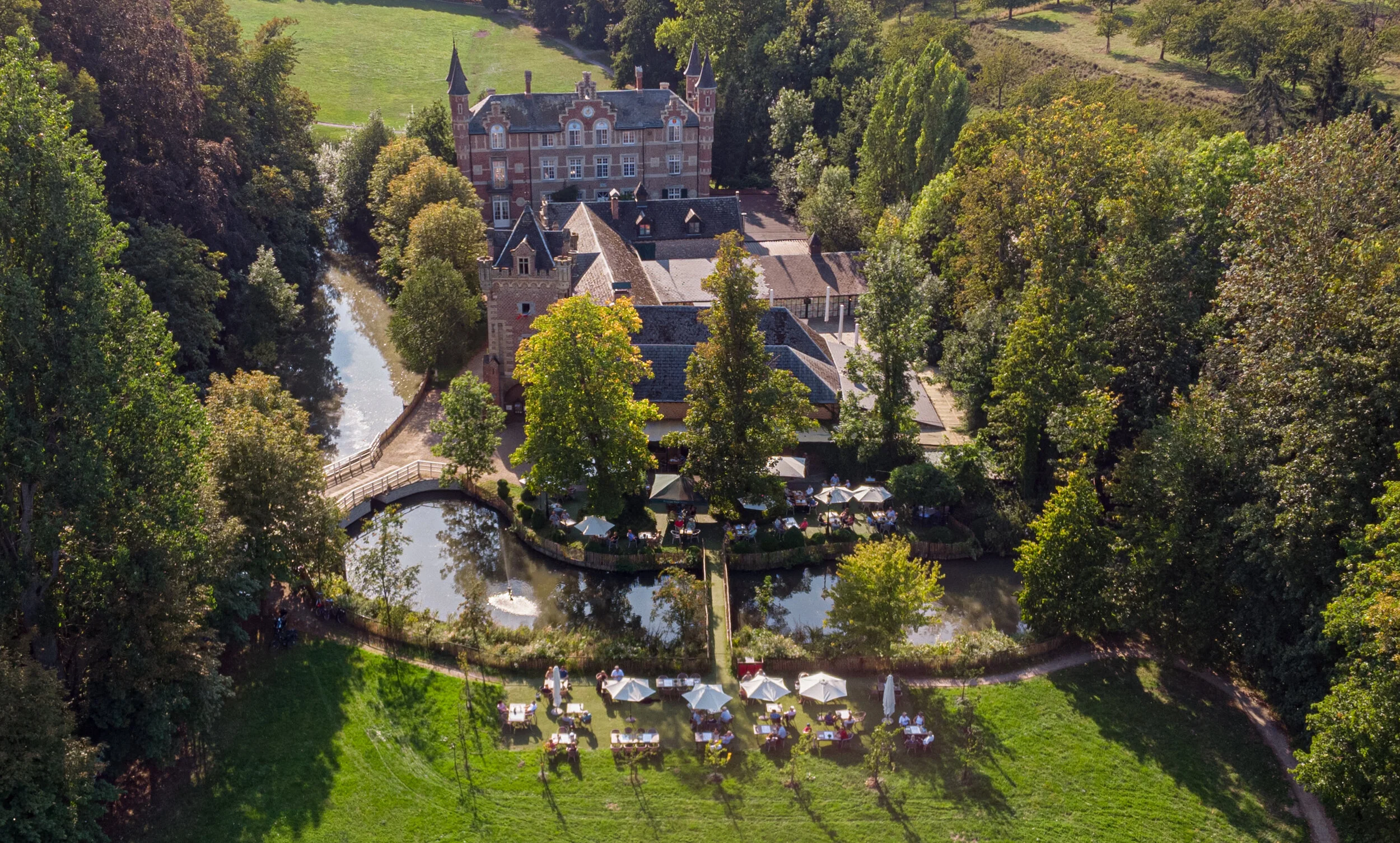
The de Séguin des Hons family has restored the château buildings and tended the surrounding land over generations. For more than 20 years, the French-Danish couple Gaëtan and Kristina have passionately run the estate. They transformed it into tourist residences. The château now operates as small charming tourist residences where guests experience authentic rural life. The 40-hectare estate features landscaped parks, a heated swimming pool and play areas. Visitors enjoy walks among 2,500 olive trees and activities including yoga, volleyball, table tennis and pétanque. A shop offers local, organic and zero-waste products, reflecting a commitment to sustainability.
The château welcomes families, friends and professional groups who seek tranquillity far from mass tourism. Each cottage opens onto private gardens, where guests savour meals under the Mediterranean sky. The estate organises cultural events, painting workshops and wellness retreats that draw on the region’s artistic traditions. Visitors explore the surrounding Corbières landscape, cycle along country lanes and discover nearby vineyards. The Renaissance walls shelter a living community rather than a static museum. The daily rhythms of hospitality breathe new life into centuries-old stone. Beyond the château gates, lavender scents the air and cicadas sing through summer afternoons. This offers a timeless sanctuary where history and modern comfort meet.
Castles near Château de La Motte
Frequently asked questions
Can I visit Château de La Motte in Marcorignan?
Château de La Motte is not open for castle tours or day visits. It operates exclusively as a holiday rental property with self-catering cottages for overnight stays.
What is Château de La Motte used for today?
The 16th-century wine estate now functions as a charming holiday rental residence with five self-catering cottages sleeping 2–8 people. Guests enjoy a 40-hectare estate with heated swimming pool, gardens, and Mediterranean landscapes.
How far is Château de La Motte from Narbonne?
The château is located approximately 12 km northwest of Narbonne, about 10–15 minutes by car. Public bus service (Citibus line 16) connects Marcorignan to Narbonne several times daily.
What facilities does Château de La Motte offer?
Each cottage features a fully equipped kitchen, private garden, heating, and Wi-Fi. Shared facilities include an outdoor heated swimming pool, table tennis, barbecue areas, children's playground, and a small shop selling local products.
Is there a minimum stay at Château de La Motte?
Minimum stays vary by season: seven nights in July and August, four nights in mid-season, and two nights in low season. Rates start from approximately €105 per night depending on cottage size and season.
Featured listings