
Keukenhof Castle stands as a refined example of 17th-century Dutch aristocratic architecture. Located in the heart of the Netherlands, it complements the world-famous Keukenhof Gardens. Built in 1642, the castle originally served as a stately home for wealthy nobility. It reflects the elegance and prosperity of the Dutch Golden Age. Over centuries, Keukenhof Castle has evolved from a noble residence to a cultural hub that attracts visitors from all over the world.
Plan your visit to Keukenhof Castle
Today, Keukenhof Castle is not only admired for its classic architecture. It also plays a central role in the region’s historical and cultural landscape. Art, nature, and history converge here, offering you a unique window into the Dutch aristocratic lifestyle.
Location of Keukenhof Castle
Keukenhof Castle is located in the town of Lisse, in the province of South Holland. This region lies in the western part of the Netherlands, close to the North Sea coast. The castle is about 30 kilometers southwest of Amsterdam, making it easily accessible by car or train. Schiphol Airport is only a 20-minute drive away, offering convenient international access.
The castle stands near the famed Keukenhof Gardens, renowned for their stunning spring tulip displays. Lisse and its surroundings are part of the Bollenstreek, or “bulb region.” This area is celebrated for colorful fields of tulips, hyacinths, and daffodils that bloom every spring. As you approach the castle, these vibrant landscapes provide a picturesque backdrop.
Besides floral beauty, the region offers rich agricultural lands and historical charm. Towns like Haarlem, Leiden, and The Hague are all within a short distance, enriching your visit with cultural and architectural treasures. The estate is surrounded by woodlands and formal gardens, giving it a peaceful, pastoral feel that contrasts beautifully with the urban buzz of nearby cities.
History of Keukenhof Castle
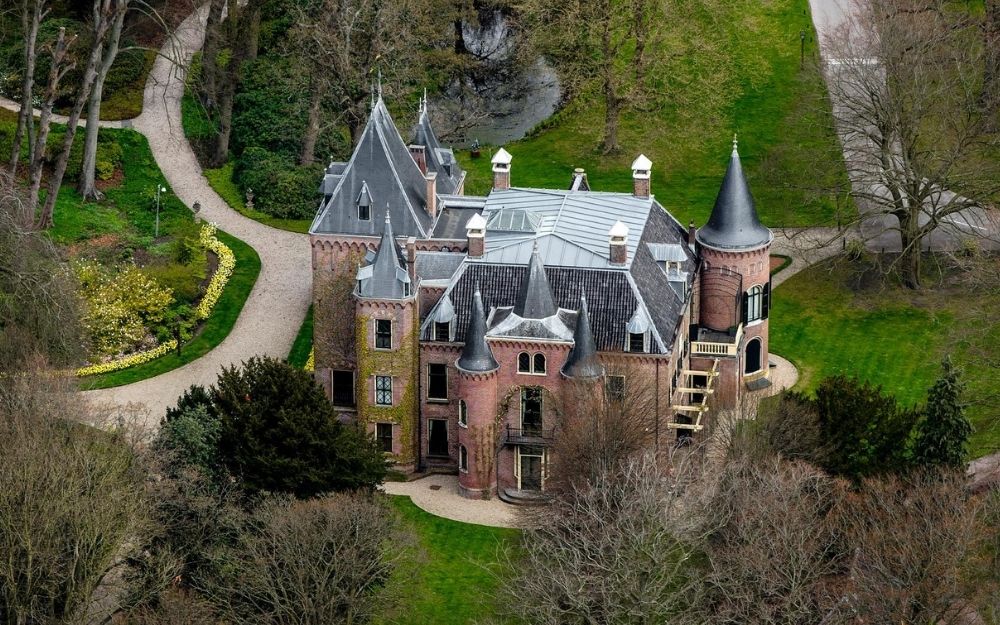
The story of Keukenhof Castle begins in 1642, when Adriaen Maertensz Block commissioned its construction. Block was a former commander of the Dutch East India Company. He built the castle on lands once used as the herb garden—or “keukenhof”—for Teylingen Castle, which belonged to Countess Jacqueline of Bavaria in the 15th century.
Originally designed as a country retreat, the castle showcased the wealth and influence of its owner. The rectangular mansion featured symmetrical facades and was surrounded by formal gardens. Over time, it expanded to include stables, outbuildings, and additional landscaping.
In the 18th and 19th centuries, the castle passed through several prominent Dutch families. Each generation left its mark through restoration and artistic enhancement. During this period, the English landscape garden style influenced the castle grounds. Meandering paths and naturalistic plantings began to replace the rigid geometric patterns of earlier gardens. The estate weathered difficult periods, including the Napoleonic Wars and both World Wars. During World War II, German troops occupied the property, though the structure itself remained largely undamaged. After the war, the castle underwent significant restoration to preserve its historical value.
Today, the castle retains much of its original 17th-century structure. It also showcases elements from later restorations. Period furniture, historic artwork, and architectural details give visitors a sense of life in the Dutch Golden Age. Exhibitions and events often highlight the estate’s historical and cultural evolution.
Current status
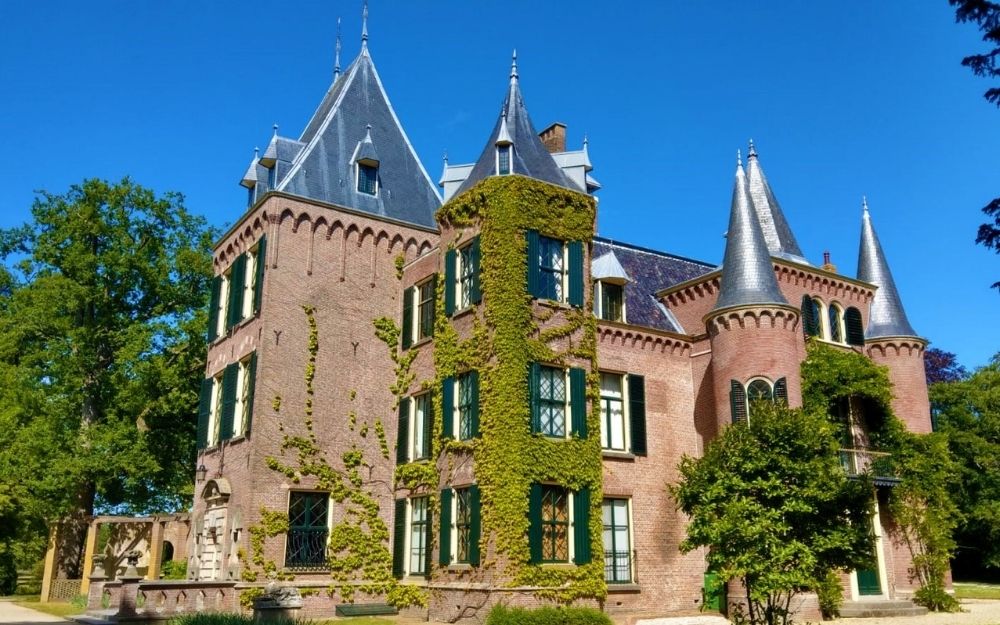
Keukenhof Castle is currently open to the public and offers a rich program of cultural events. Managed by the Keukenhof Castle Foundation, the estate is dedicated to heritage preservation and public engagement. The foundation maintains both the castle and its surrounding parklands. Visitors can explore the castle’s lavish interiors during guided tours. Rooms are furnished in period style, with tapestries, paintings, and antique furniture. Tours provide insight into the castle’s aristocratic past and the families who lived there. The estate’s gardens cover over 200 hectares. These include landscaped parks, wooded trails, and ornamental ponds. Seasonal flower displays, outdoor sculptures, and art installations make the grounds a visual delight throughout the year.
Keukenhof Castle also serves as a venue for special events. These include concerts, open-air theater, historical reenactments, and art festivals. The castle hosts weddings, private parties, and corporate events, offering a unique and elegant setting. Educational programs are a vital part of the castle’s mission. Schools and youth groups are welcome to participate in historical workshops and nature-based activities. The estate works to inspire a new generation to appreciate cultural heritage and environmental stewardship.
Today, Keukenhof Castle stands as a cultural gem in the Netherlands. It bridges the past and the present, offering you a captivating experience of Dutch history, art, and horticulture. Whether you come for the architecture, the gardens, or the atmosphere, Keukenhof Castle promises an enriching and memorable visit.
Castles near Keukenhof Castle
Frequently asked questions
Is Keukenhof Castle the same as Keukenhof Gardens?
No. Keukenhof Castle is a separate 17th-century manor on a year-round free estate with gardens, woodland trails, and 16 national monuments. The world-famous Keukenhof Gardens tulip park is a seasonal attraction (March–May) next door that requires separate paid admission.
Can I visit the interior of Keukenhof Castle?
The castle interior is accessible only via guided tours (€5, in Dutch, 90 minutes) on Wednesdays and Thursdays, and advance booking is required. The surrounding castle gardens and grounds are free to explore daily from 8:00 to 19:30 year-round.
What can I see at Keukenhof Castle besides the building?
The 200-hectare estate includes landscaped gardens designed by the Zocher family in 1857, woodland trails, a petting zoo, a gnome trail for children, 18 national monuments, and the LAM Museum (separate admission €7.50). Restaurant de Hofboerderij serves refreshments on the grounds.
When is the Dahlia Festival at Keukenhof Castle?
The castle hosts an annual Dahlia Festival from mid-August to mid-October, showcasing hundreds of dahlia varieties across the castle gardens. Entry to the grounds and festival is free, unlike the spring tulip season at the neighbouring Keukenhof Gardens.
How do I get to Keukenhof Castle from Amsterdam?
By car it's 35 minutes via the A4 motorway (exit Nieuw-Vennep) with free parking on-site. By public transport, take a train to Leiden or Haarlem, then bus 50 or 57; during March–May, Keukenhof Express buses (852 from Amsterdam RAI, 858 from Schiphol) stop nearby.
Featured listings