
Rising from a rocky island in the Bay of Marseille, Château d’If commands the Mediterranean waters 1.5 kilometers offshore. King Francis I ordered construction between 1524 and 1531 after he recognized the island’s strategic importance during a 1516 visit. The fortress features a keep, three towers, high walls, a moat and a drawbridge. Alexandre Dumas used it as a setting for The Count of Monte Cristo, which he published in 1844 to widespread acclaim.
Plan your visit to Château d’If
Tue–Sun 10:10–17:00Closed Mondays from late September to March; closed 1 Jan, 1 May, 25 Dec; subject to weather closure.
Location of Château d’If
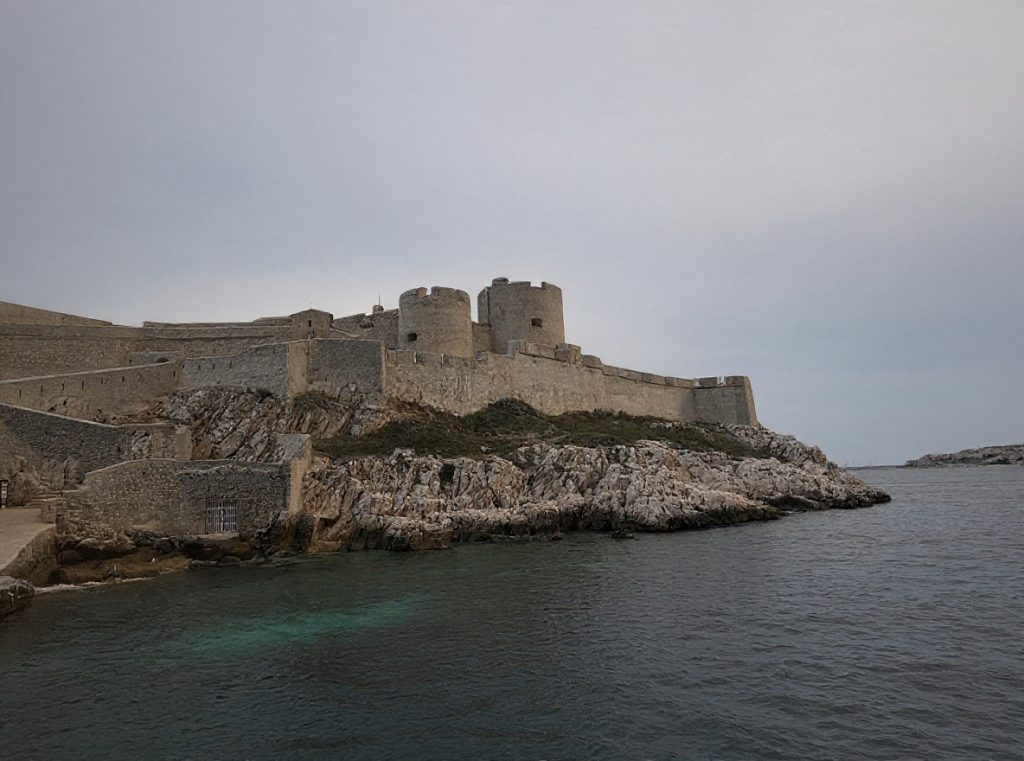
The fortress sits on Île d’If, the smallest island in the Frioul archipelago. The island measures 3 hectares and lies 3.5 kilometers west of the Old Port of Marseille. Visitors reach the château by boat from Marseille’s Vieux Port, where several ferry companies operate regular crossings. The Frioul If ferry runs year-round, while the Calanques If ferry operates from April to October. Return trips cost around €11, and the crossing takes approximately 20 minutes. From the island’s landing pier, a short walk leads to the fortress entrance. High ramparts with gun platforms surmount the cliffs that rise steeply from the surrounding ocean. Apart from the fortress, the island remains uninhabited. The château offers views across the bay to Marseille and the surrounding coastline.
History of Château d’If
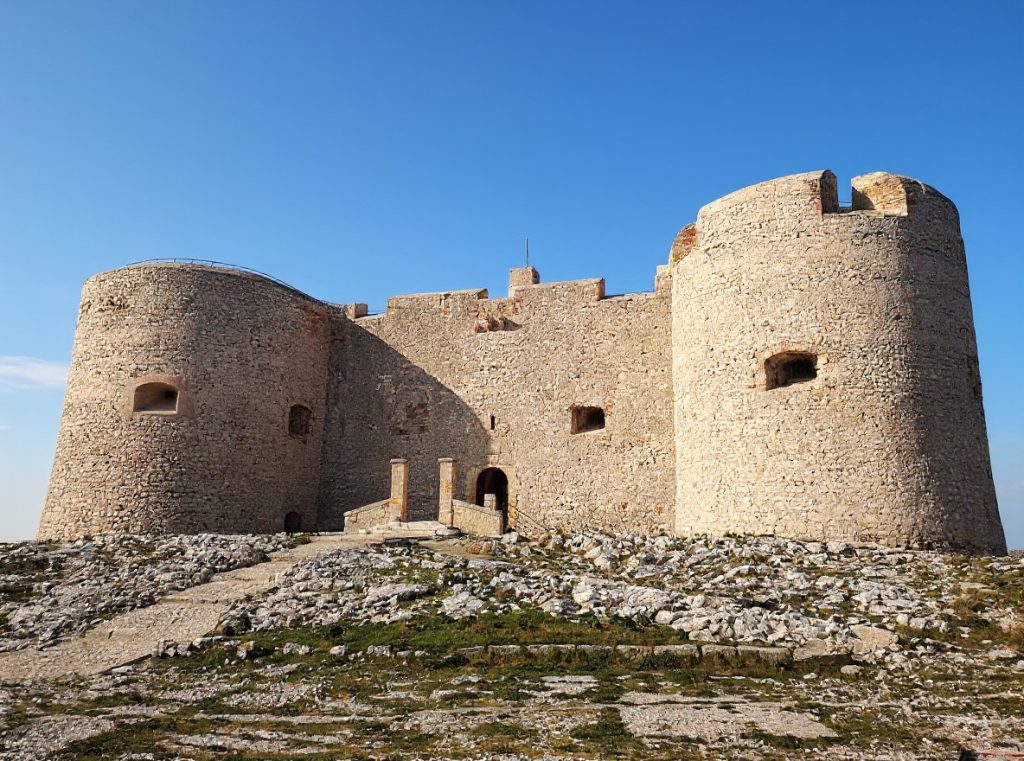
When Francis I visited Marseille in 1516, he discovered the strategic importance of the islet. As a result, he decided to build a fortress to defend the coasts against invasion. Marseille had joined the Kingdom of France in 1480 and until then had grown accustomed to self-sufficiency and total autonomy. The people of Marseille opposed this structure, which they called “la Malvoisine” or “bad neighbour.” They viewed it as a symbol watching over them rather than genuine protection. Construction began in 1528 and workers completed it in 1531. The château is a square, three-storey building 28 meters long on each side, flanked by three towers with large gun embrasures.
In 1536, Charles V, Holy Roman Emperor and King of Spain, prepared to take Marseille. The Château d’If acted as a deterrent, though, and defenders promptly rebuffed the maritime attack. From 1540, the first prisoners arrived on the island. For nearly 400 years, the prison housed all convicts, thieves, bandits, murderers and people banished from Marseille. Authorities sent more than 3,500 Huguenots to the Château d’If. They also sent Gaston Crémieux, a leader of the Paris Commune, whom soldiers shot there in 1871. The isolated location and dangerous offshore currents made it an ideal escape-proof prison. Its use as a dumping ground for political and religious detainees soon made it one of the most feared and notorious jails in France. Famous inmates included Louis Philippe II, Duke of Orléans, and Honoré Gabriel Riqueti, Comte de Mirabeau.
Current status
The château’s use as a prison ceased at the end of the 19th century. Authorities demilitarized it and opened it to the public on 23 September 1890. Château d’If has held classified historical monument status since 1926. The French national monuments centre manages the site today. The centre has worked on environmental themes for many years, initially with the CEN PACA and since 2012 with the Calanques National Park. They organize environmental and sustainable development programmes. Visitors can explore the fortress courtyard, walk the ramparts, and tour the original prison cells. Tours culminate in the cell named after Dantès with a small fissure in the wall. According to the novel, he escaped from there. Some cells house graffiti from former prisoners, bearing witness to their daily lives, history and dreams.
The château ranks among the most visited sites in Marseille, attracting nearly 100,000 visitors per year. The monument opens daily except Mondays, with extended hours during summer months. Its fame as the setting for Dumas’ novel The Count of Monte Cristo has made the prison a popular tourist destination. From the terrace, visitors enjoy views of the harbour, the Frioul islands and the city. The fortress serves as a reminder of France’s complex past, where royal power, religious persecution and literary imagination converge on a small Mediterranean island.
Castles near Château d’If
Frequently asked questions
Is the ferry to Château d'If included in the ticket price?
No, the €7 château entry ticket does not include the ferry. You must purchase a separate ferry ticket (approximately €11 return) from operators at the Vieux Port to reach the island.
Can Château d'If close due to weather?
Yes, the château closes in bad weather or strong Mistral winds for safety reasons. Ferry service may also be suspended, making the island inaccessible even if opening hours are scheduled.
What is the connection between Château d'If and The Count of Monte Cristo?
Alexandre Dumas set much of his 1844 novel The Count of Monte Cristo in Château d'If, where the protagonist Edmond Dantès was imprisoned. The fortress was a real state prison for centuries, housing political and religious prisoners.
How long is the ferry ride to Château d'If?
The ferry crossing from Marseille's Vieux Port to Château d'If takes approximately 15–20 minutes. Ferries depart from Quai de la Fraternité and run several times per day, weather permitting.
Is Château d'If accessible for visitors with limited mobility?
Access is challenging due to the island terrain and fortress stairs. The monument has no lifts, and pathways include uneven rocky surfaces and steep steps between the cells and ramparts.
Featured listings