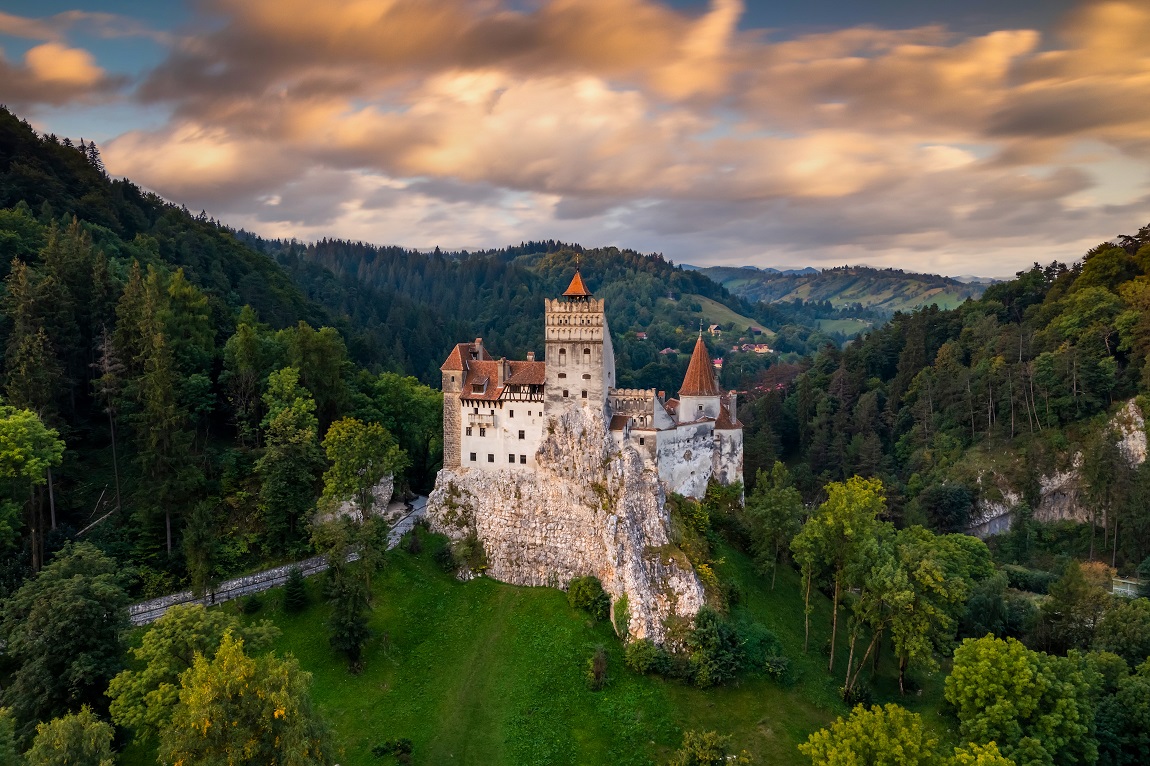

Positioned on the banks of the Lower Rhine near Arnhem, Castle Doorwerth stands as one of the finest examples of a medieval moated fortress in the Netherlands. This sturdy brick stronghold emerged from humble origins as a wooden toll tower in the thirteenth century. Over seven hundred years, it evolved into a grand residential complex complete with gatehouse, bailey, and ornamental gardens. Today the castle shines in its seventeenth-century glory, inviting visitors to step back into the medieval and early modern world.
Location of Castle Doorwerth
Castle Doorwerth lies at the foot of wooded hills south of the village with the same name, in Gelderland province. The castle sits in the village of Doorwerth within eastern Netherlands, approximately eight kilometres west of Arnhem. Its position on the banks of the Lower Rhine River offered strategic and defensive advantages. Visitors can easily reach the castle by car taking the A50, exit 19 (Renkum). Moreover, public transport connections serve the area well. The surrounding landscape features a picturesque blend of forested hills and river floodplains. Indeed, this tranquil setting offers stunning natural vistas alongside historical exploration.
History of Castle Doorwerth
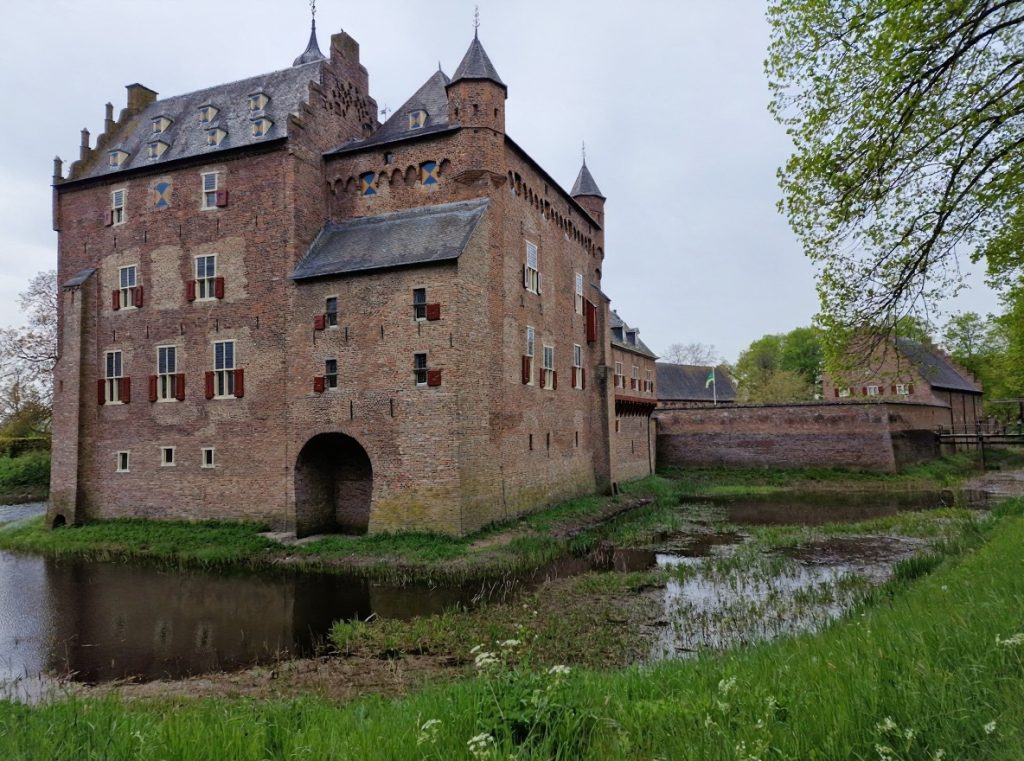
The castle started as a wooden tower on an island to levy toll, built sometime before 1260. Historical records first mention the original castle in 1260 when enemies besieged and burned it to the ground. Builders then rebuilt it in stone. In 1280 attackers again besieged this second castle and burned down the bailey. This original castle probably consisted of a simple hall-keep, two stories high with 1.20 metre thick walls. A surrounding moat fed by the nearby Rhine protected it. During the fourteenth century builders continually enlarged the castle.
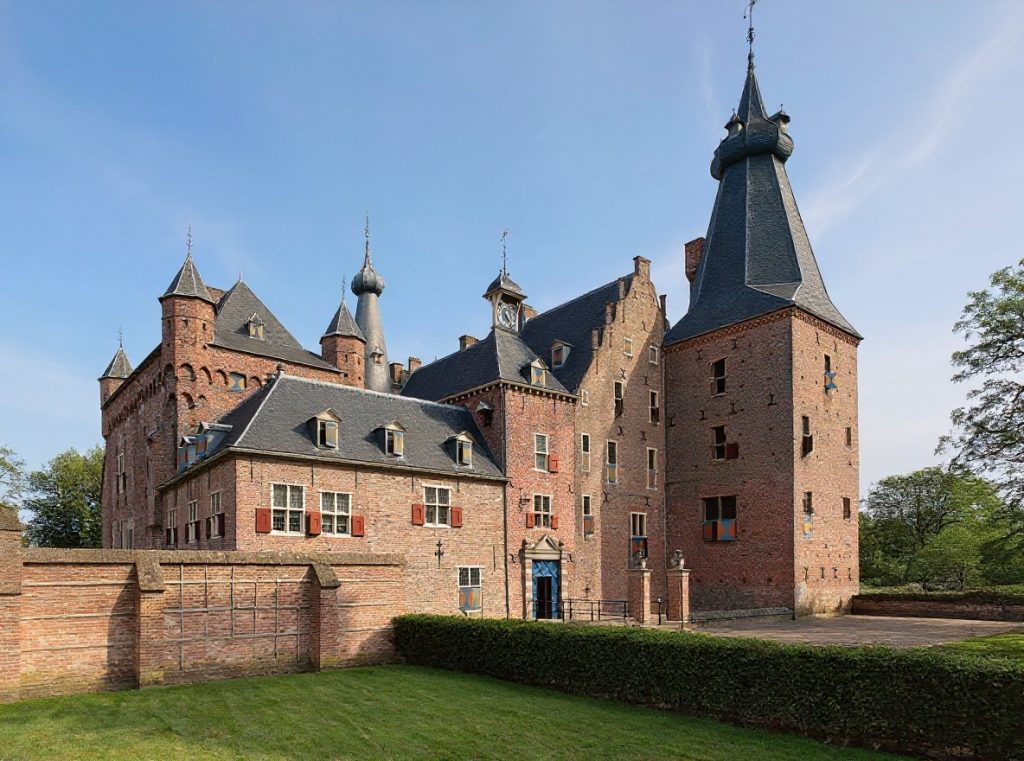
Doorwerth Castle originally belonged to the Van Dorenweerd family. In 1402 Robert van Dorenweerd dedicated the castle to the Count of Gelre, Reinald IV. In return Robert received the castle and its land in fief. Around the middle of the fifteenth century knight Reinald van Homoet, the 10th Lord of Dorenweerd, enlarged the castle again. Doorwerth Castle reached its largest form just after the middle of the sixteenth century under Daem Schellart van Obbendorf, the 15th Lord of Dorenweerd. He made the castle and the buildings on the bailey into a unity. He also adjusted them for more space and comfort. Around 1637 workers rebuilt the bailey to its present appearance. They also built a dike around the castle to protect it from flooding.
Shortly after, the castle changed ownership due to financial problems. The owners granted it in fief to German Count Anton I van Aldenburg. His successors did not alter the castle or bailey but did acquire more land. At the end of the eighteenth century the castle stood empty. A steward looked after it for its owners who lived in England. As a result, the castle fell into a neglected state.
Current status
Nowadays, Castle Doorwerth shines in all its seventeenth-century glory and includes a gatehouse, coach house, and stables. The castle operates as a museum managed by Geldersch Landschap & Kasteelen. Inside, visitors can marvel at richly decorated period rooms. In the south wing, they will find a comprehensive exhibition about the history of the castle, forest management, and hunting in the Netherlands. In the armour room, children can try on a chainmail suit. The castle café and gift shop welcome guests throughout the year. English tours can be arranged by appointment. Furthermore, the venue hosts weddings, corporate events, and seasonal activities.
Thick brick walls, defensive moats, and carefully restored interiors transport every visitor into centuries past. The meticulously maintained vegetable gardens evoke the self-sufficient estates of noble families. Meanwhile, the surrounding parkland offers peaceful woodland walks beside the Rhine. Castle Doorwerth remains a living testament to Dutch medieval heritage, where history resonates through every stone and tower.
Featured listings