
Perched on the volcanic Castle Rock, Edinburgh Castle dominates the skyline of Scotland’s capital city with its historic fortifications. This iconic symbol deeply intertwines with the national fabric, representing a pivotal part of Scottish heritage. Exploring this grand castle provides a glimpse into the rich tapestry of Scotland’s past. Moreover, it captivates countless generations with its resilience and architectural grandeur.
Plan your visit to Edinburgh Castle
Can’t wait to visit the castle? Book your Edinburgh Castle tour online.
Location of Edinburgh Castle
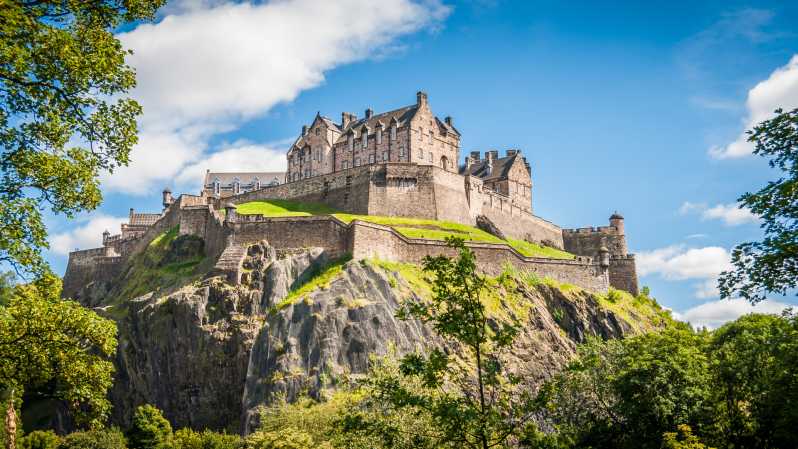
Edinburgh Castle is strategically located on Castle Rock in the center of Edinburgh, Scotland. This commanding position offers stunning views of the city and far beyond, making it clear why this site was chosen for fortification. The castle is accessible via the historic Royal Mile, which stretches down the Old Town to the Palace of Holyroodhouse. Its strategic location not only offers tactical advantages but also makes it a focal point for tourists visiting the city.
History of Edinburgh Castle
The history of Edinburgh Castle is a complex tapestry of military strategic importance, royal residence, and a symbol of Scottish national pride. Furthermore, its roots stretch back to the Iron Age. Throughout the centuries, Edinburgh Castle has played a role in numerous historical conflicts. It has faced repeated sieges, both successful and unsuccessful, most notably during the Wars of Scottish Independence in the 14th century.
In the centuries that followed, Edinburgh Castle became a royal residence, with significant enhancements made by James IV in the early 1500s. After the Union of the Crowns in 1603, James VI of Scotland became James I of England, shifting the castle’s role significantly. He moved his court to London. The castle saw a decline in its importance as a royal palace, but its role as a military garrison grew and continued into the late 20th century.
Significant historical events associated with the castle include the housing of Mary Queen of Scots. She gave birth to James VI in the royal palace within the castle grounds. The Honours of Scotland—the crown, sceptre, and sword of state—are also housed in the Crown Room, having been used at the coronations of Scottish monarchs.
Current status
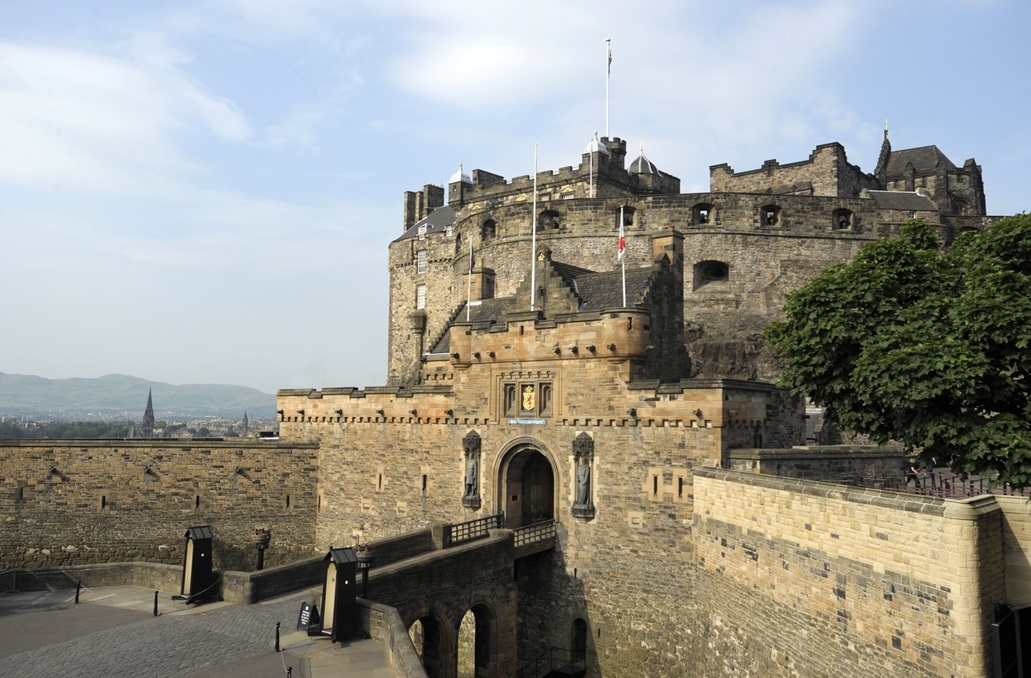
Today, the castle stands as one of the most visited and well-loved tourist attractions in Scotland. Moreover, managed by Historic Environment Scotland, it serves as a potent national symbol. Additionally, Edinburgh Castle showcases Scotland’s heritage through its preserved structures, exhibitions, and cultural programs. Notably, the castle welcomes visitors year-round to explore its ancient halls, chapels, and the National War Museum of Scotland.
The famous Edinburgh Military Tattoo takes place at the castle annually. It features military bands from around the world performing against the stunning backdrop of the ancient fortress. Additionally, the castle’s role in contemporary culture is solidified by its inclusion in numerous films, literature, and arts. This continual renewal fosters its connection to the public and its historic legacy.
Discover the enchantment of Edinburgh Castle. Here, the echoes of the past meet the vibrancy of today. The experience is sure to be unforgettable. Whether its historical significance or the breathtaking views of the city of Edinburgh draw you in. The enduring beauty and historical significance of the castle continue to captivate the hearts of those who walk through its gates.
Castles near Edinburgh Castle
Frequently asked questions
Can I visit Edinburgh Castle without booking in advance?
No, advance booking is essential. Once online tickets sell out, no walk-up tickets are available at the gate. Book online for the lowest price and a guaranteed timed entry slot.
What time does the One O'Clock Gun fire at Edinburgh Castle?
The One O'Clock Gun fires at 1pm every day except Sundays, Christmas Day and Good Friday. You can watch from the Esplanade for free without entering the castle.
Is Edinburgh Castle suitable for visitors with mobility issues?
Yes, a courtesy mobility vehicle is available from the entrance to the upper ward. Limited accessible parking is available on the Castle Esplanade by advance booking. The site is on a steep volcanic crag with cobbled surfaces.
How long do queues take inside Edinburgh Castle?
The Crown Room (Crown Jewels) can have 30-minute waits in peak season. Arrive at opening (9:30am) or after 3pm for shorter queues.
Are there any free entry options to Edinburgh Castle?
Young Scot cardholders pay £1, carers for disabled visitors enter free, and serving British Armed Forces members enter free with MOD 90. Children under 5 are free but still need a ticket booked.
Featured listings