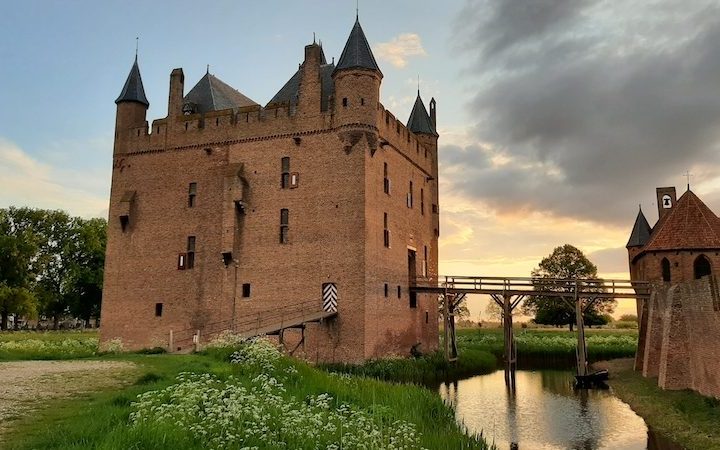
Doornenburg Castle stands as one of the best-preserved medieval structures in the Netherlands. It draws visitors from around the world to its impressive fortress walls, grand towers, and scenic location. With origins tracing back over a thousand years, this remarkable castle offers a glimpse into the past. Its current status as a cultural monument ensures it continues to thrive in the present. Whether you are interested in architecture or history, Doornenburg Castle is a fascinating destination. Exploring a striking piece of Dutch heritage makes it a memorable experience.
Location of Doornenburg Castle
Doornenburg Castle is located in the eastern part of the Netherlands. It sits in the province of Gelderland, near the village of Doornenburg. The castle occupies a strategic position on the banks of the Rhine and the Waal. These are two significant rivers that have historically provided both transportation and defense. The surrounding landscape of the Betuwe region is characterized by flat farmland. It is intersected by canals and rivers, giving the area a peaceful, pastoral charm.
Easily accessible by road, the castle is situated approximately 15 kilometers from the city of Arnhem. Visitors will find it an ideal day-trip destination from nearby cities. It offers a serene countryside retreat. Its location in this river-rich region also played a significant role in its historical significance. The waterways were crucial for trade and military maneuvers during the Middle Ages.
History of Doornenburg Castle
The origins of Doornenburg Castle can be traced back to the 9th century. At that time, a fortified residence known as a “hof” existed on the site. This early structure served as a defensive manor house for the local nobility. It provided protection against invasions and served as a base for controlling the surrounding lands. Over the centuries, this humble manor evolved into the grand castle that visitors see today.
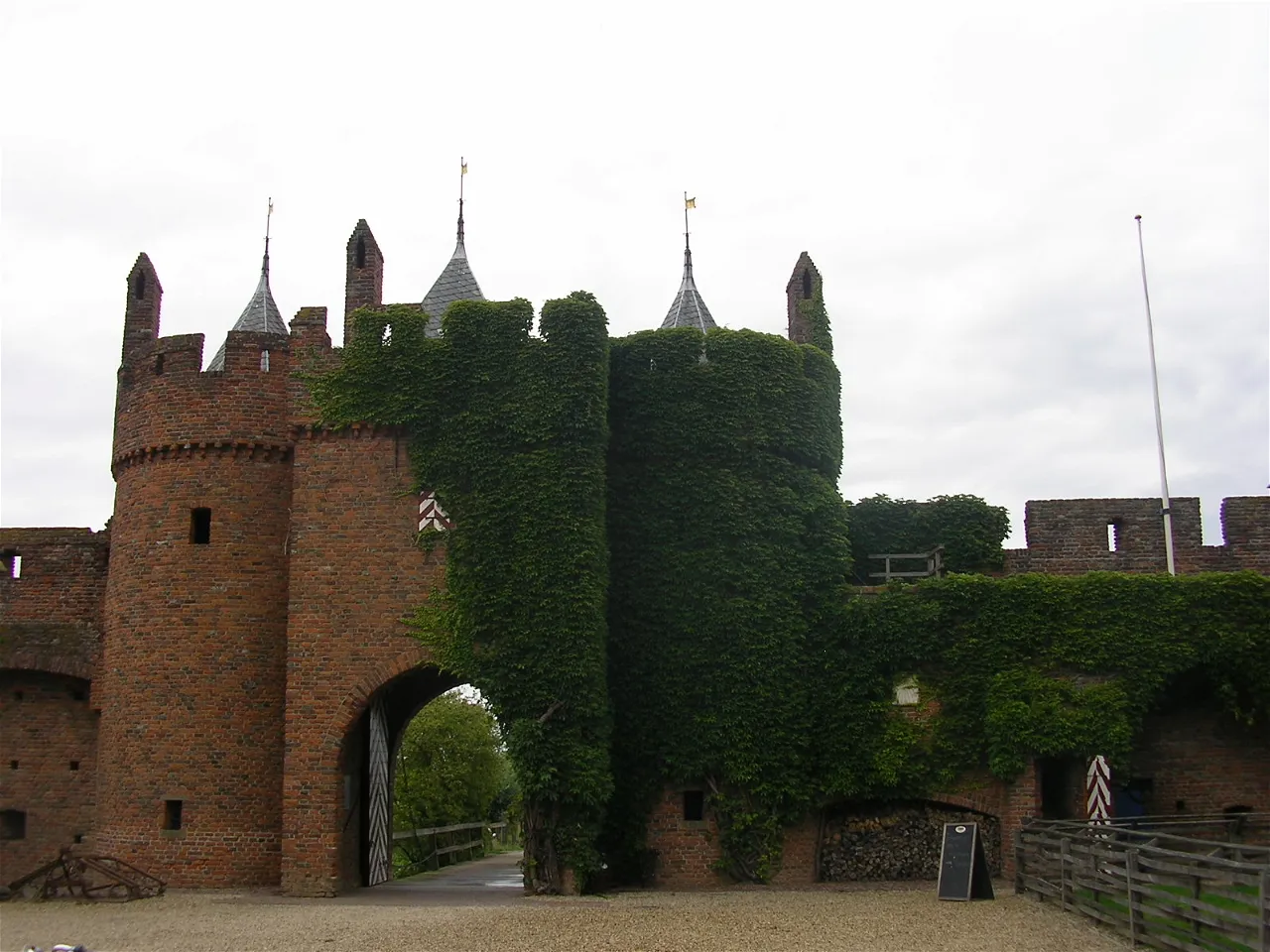
In the 13th century, builders constructed the current stone castle, transforming the site into a fortified stronghold. They also built the main keep and surrounding walls during this period. This construction gave the castle its medieval appearance. It was expanded several times over the following centuries. This reflected the growing importance of the region and the wealth of the noble families who owned it. The van Doorn family, who gave the castle its name, played a prominent role in its development.
The strategic importance of Doornenburg Castle became particularly evident during the turbulent times of the Middle Ages. Conflicts frequently arose in the Netherlands between regional lords and foreign powers. The castle served both as a military stronghold and as a residence for noble families. It balanced its defensive functions with the comforts of a medieval household. Throughout its history, various forces besieged and damaged Doornenburg Castle. People restored it numerous times, reflecting the region’s changing fortunes.
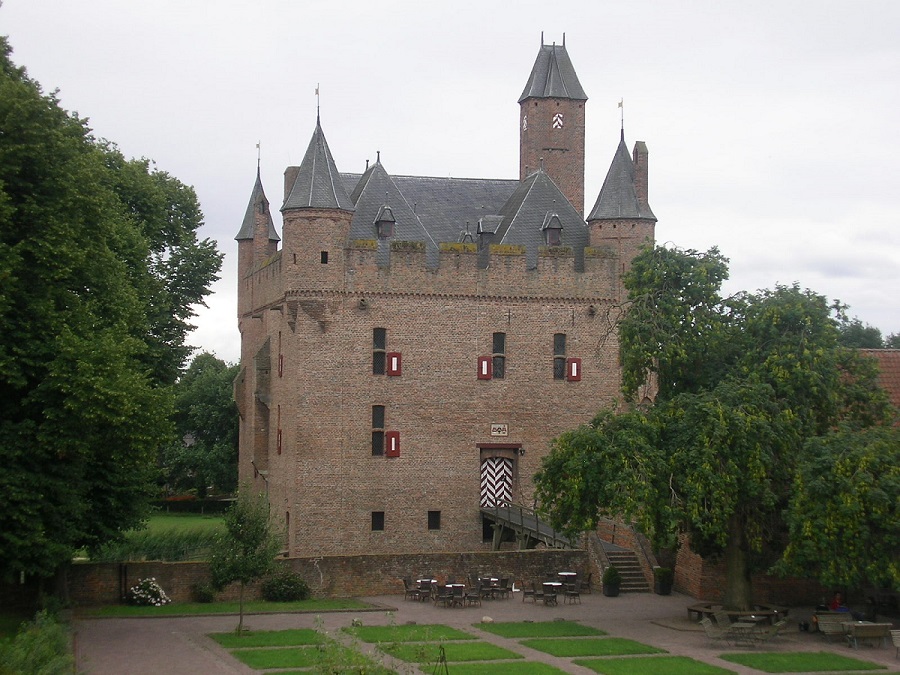
Current status
Today, Doornenburg Castle stands as a well-preserved and fully restored example of medieval architecture. It is managed by a non-profit organization. The castle is open to the public and functions as both a museum and a cultural venue. It offers visitors an opportunity to explore its various rooms and courtyards. They have meticulously furnished each room to reflect life in the Middle Ages. From the grand hall to the chapel, every corner of the castle offers insight into the daily lives of its medieval inhabitants.
In addition to its role as a historical monument, Doornenburg Castle has gained fame as a filming location. Most notably, producers used the castle for the Dutch television series “Floris” in the 1960s. This introduced the castle to a wider audience. Its media exposure has contributed to its popularity as a tourist destination.
The castle regularly hosts various events and reenactments, including medieval festivals, concerts, and educational programs for children. These activities not only help preserve the cultural heritage of the site but also engage the local community. They provide tourists with a deeper understanding of its history. The castle grounds are also available for private events, such as weddings. This makes it a cherished venue for special occasions.
Although much of the castle has been restored, visitors can still notice remnants of its turbulent past. The thick walls, battlements, and towers stand as reminders of the castle’s former military importance. The peaceful gardens and surrounding moat create a tranquil atmosphere. These areas offer a sharp contrast to its once-fortified nature.
Featured listings