
Château de Chantilly ranks among France’s greatest historic estates. It combines a magnificent château, one of the country’s finest art collections, and sweeping formal gardens. Noble families built and rebuilt it over centuries. They left behind a truly extraordinary legacy.
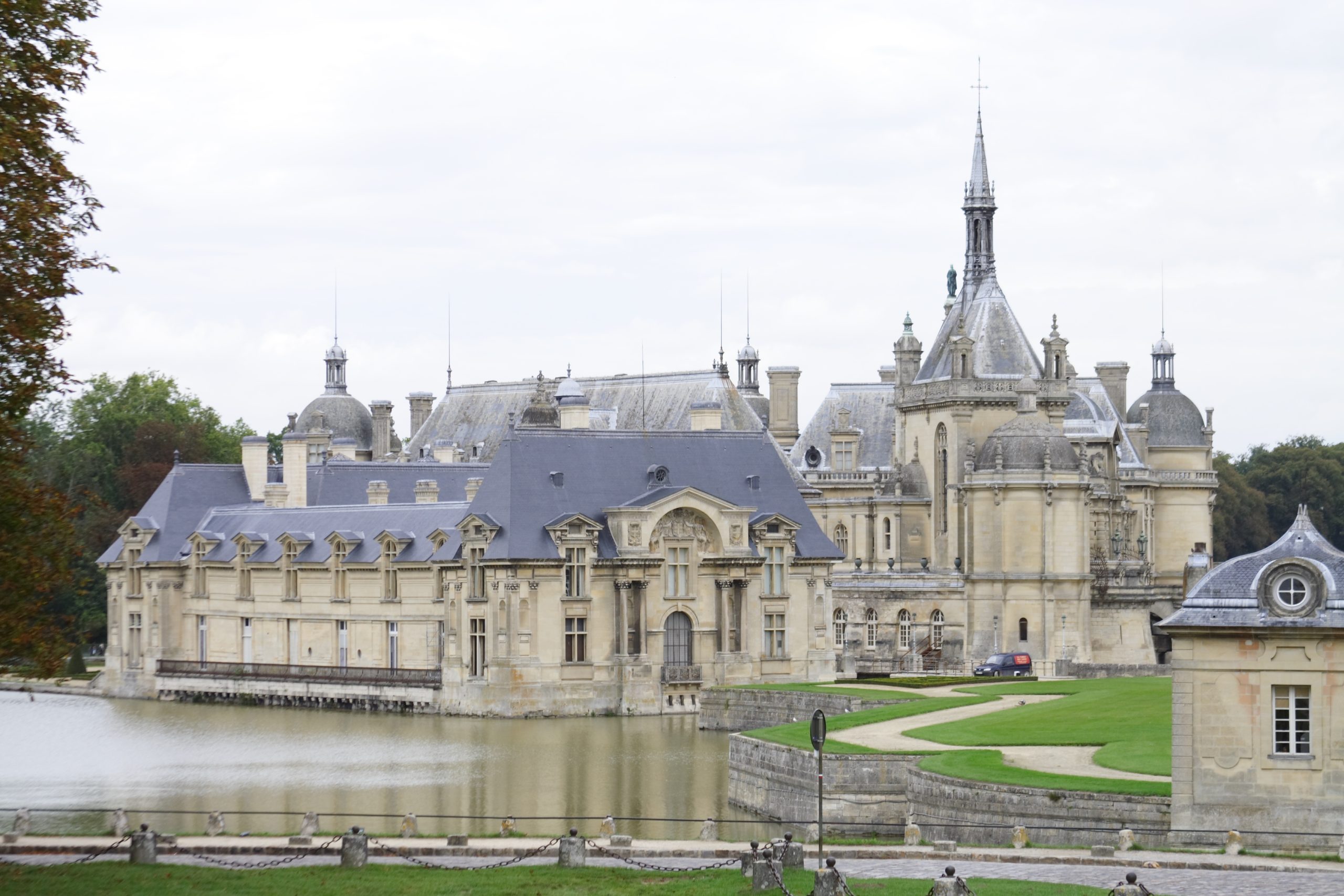
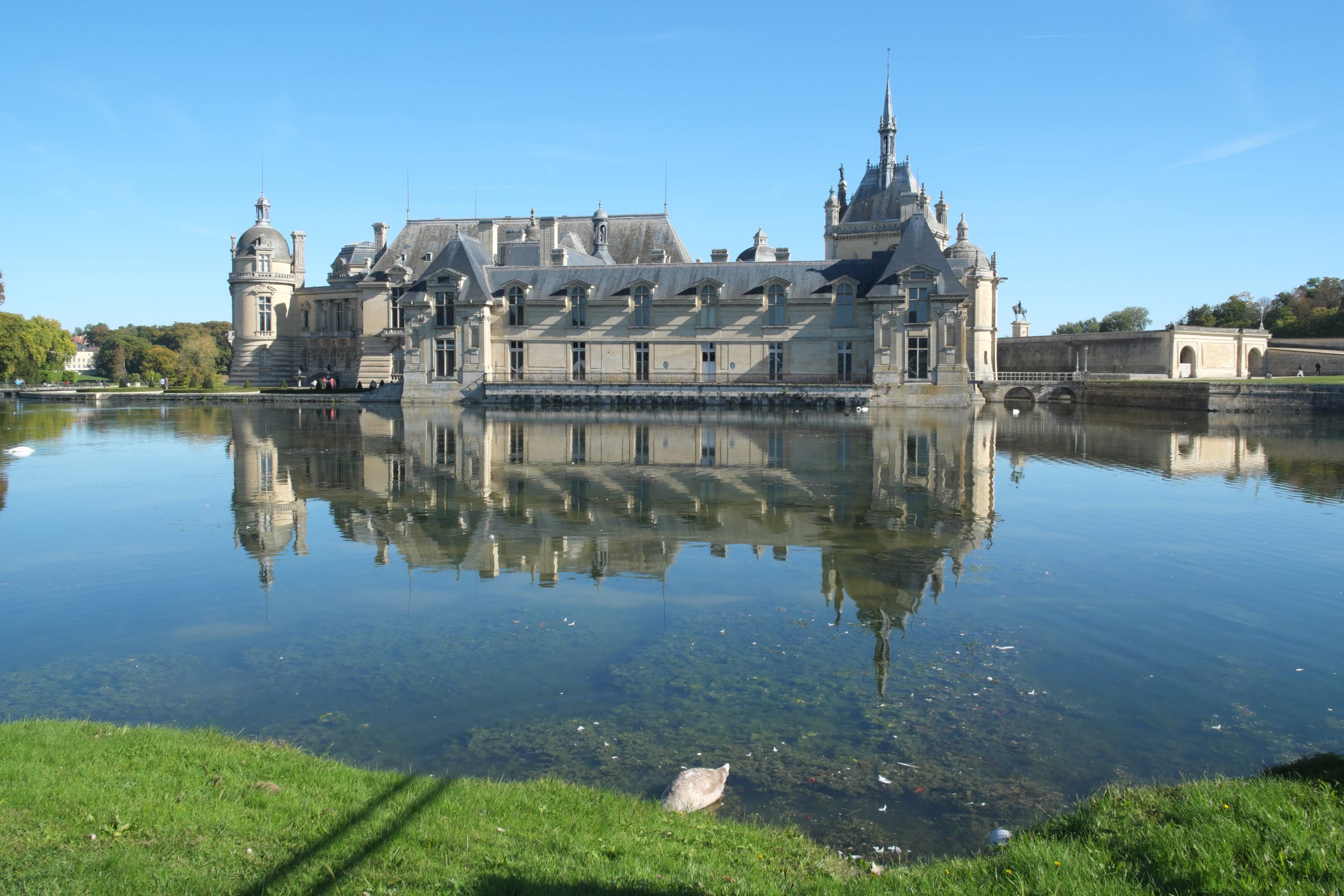
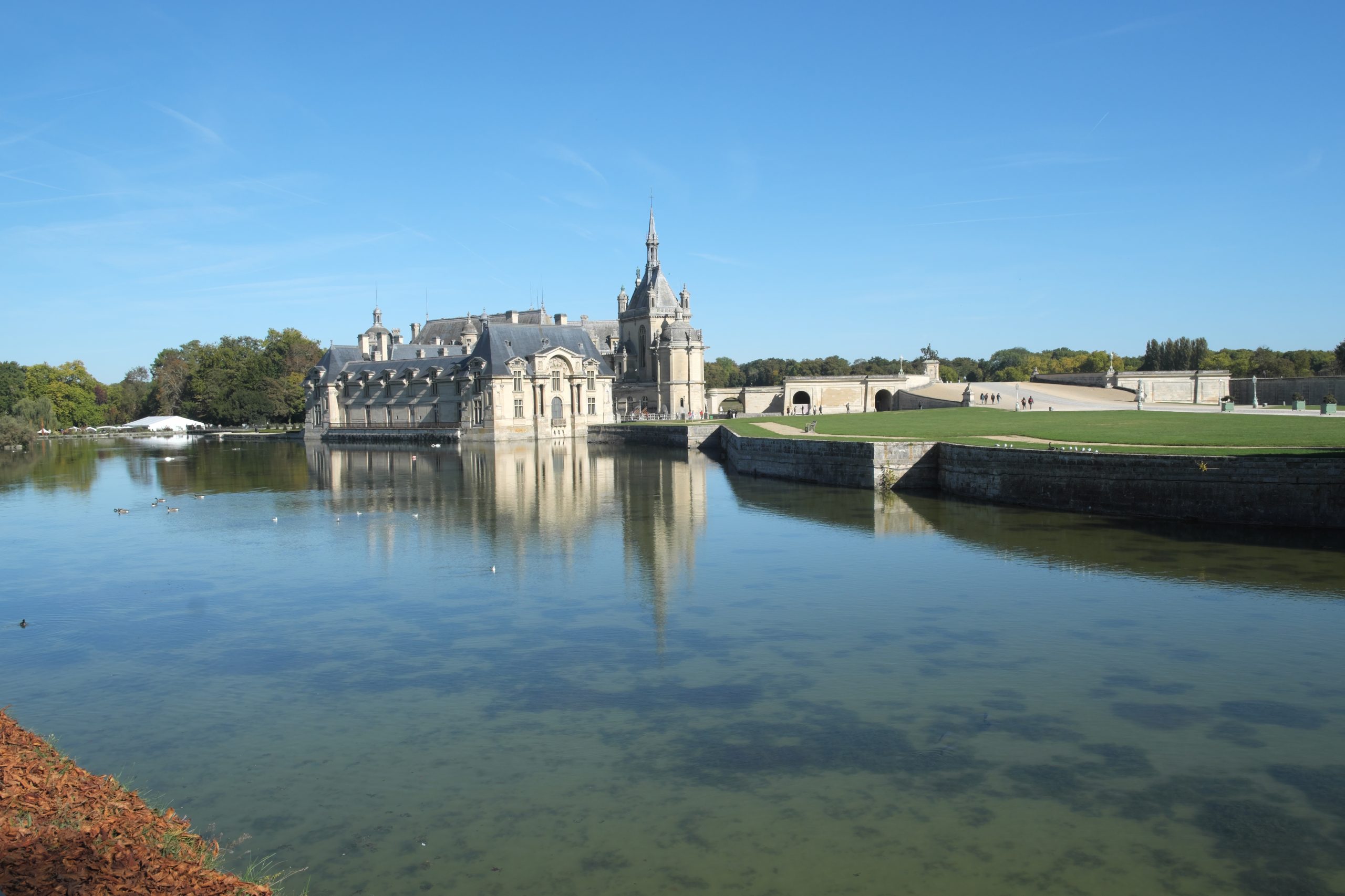
Today, its soaring Renaissance and neo-Gothic facades rise above the surrounding lakes. The world-class Musée Condé houses masterpieces within its walls. Together, these elements make Château de Chantilly a landmark of French aristocratic heritage.
Location of Château de Chantilly
Château de Chantilly sits in the town of Chantilly, in the Oise department of northern France. It lies approximately 40 kilometers north of Paris. Trains from Paris’s Gare du Nord reach Chantilly in under 30 minutes. This makes it one of the most accessible historic châteaux in France.
The château occupies the heart of the Domaine de Chantilly. This estate stretches across approximately 7,800 hectares. It includes formal French and English gardens, lakes, canals, and woodland. Furthermore, the famous Chantilly racecourse also forms part of the estate.
André Le Nôtre, the legendary garden designer, shaped much of the landscape here. He also created the gardens of Versailles. His influence gives Chantilly a grandeur fitting its royal and aristocratic past. In addition, Chantilly hosts the prestigious Prix de Diane and Prix du Jockey Club races each June. Therefore, the château, the forest, and the racing heritage together create a uniquely rewarding destination.
History of Château de Chantilly
The history of Château de Chantilly stretches back to the medieval period. A fortified manor stood on this site for many centuries. In the 15th century, the Montmorency family took possession of the estate. They became one of the most powerful noble dynasties in France.
The Constable Anne de Montmorency advised both King Francis I and Henry II. He transformed the estate into a grand Renaissance property. Moreover, he commissioned the Petit Château, which still survives today. The Great Condé then inherited Chantilly in the 17th century. Under his stewardship, it became one of France’s most celebrated cultural centers.
However, the French Revolution brought dramatic change. The château lost its furnishings, and the Grand Château itself was demolished. Only the Petit Château survived. Subsequently, the estate passed to Henri d’Orléans, Duke of Aumale. Between 1875 and 1885, he rebuilt the Grand Château in the neo-Gothic style. He also assembled the remarkable art collection now known as the Musée Condé.
Upon his death in 1897, the Duke bequeathed the entire estate to the Institut de France. His condition was that the collection should remain open to the public. It should never be loaned or rearranged. This generous decision preserved Chantilly in near-original condition.
Current Status
Today, Château de Chantilly welcomes hundreds of thousands of visitors each year. The Institut de France and the Domaine de Chantilly foundation jointly oversee the estate. They carry out ongoing restoration and cultural programming.
The Musée Condé is the centerpiece of any visit. It contains an extraordinary collection of paintings, drawings, sculptures, and decorative arts. Among its treasures are works by Raphael, Botticelli, Poussin, Van Dyck, and Ingres. The famous Très Riches Heures du Duc de Berry also belongs to this collection.
Beyond the museum, visitors explore the historic Petit Château and the chapel. The spectacular gardens designed by Le Nôtre offer another highlight. Grand parterres, fountains, canals, and the dramatic Grande Cascade waterfall fill the grounds. First-time visitors often spend an entire day on the estate alone.
Furthermore, the Living Horse Museum occupies the magnificent 18th-century stables. These daily shows celebrate the horse’s role in French history and culture. The estate also organizes regular exhibitions, concerts, and seasonal events. As a result, Château de Chantilly remains a vibrant cultural destination throughout the year.
Featured listings